The road to the god of medicine
Original: AI Finance and Economics Society Author AI Finance and Economics Society
Author/Chen Guangjing Wang Xiaonan
Editor/Yan Dongxue
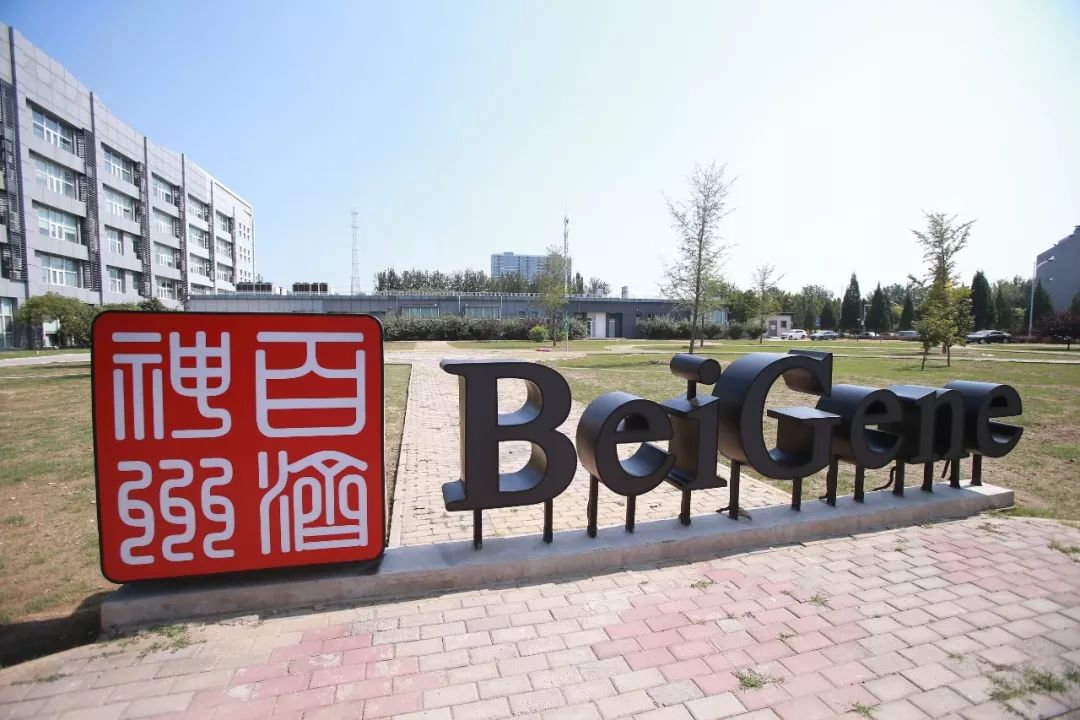
BGB-3111 was born in January 2013. Thousands of other compounds have been created together in the laboratory, and the number of 3111 means that it is the 3111 th. The laboratory is located in Changping District, a suburb of Beijing, far away from the center of Beijing. If researchers buy the nearest real estate, they can go to work on their legs, with a square meter in their early 30 thousand, the house in Beijing and the house price in Wuhan.
Six years later, in Washington, more than 11,200 kilometers from Changping, next door to a bagel shop, BGB-3111 was stamped. The FDA, as the gatekeeper of American food and medicine, approved BGB-3111 to be listed in the United States and enter the body of American cancer patients.
This means that China’s first locally developed anticancer drug has been approved for listing in the United States. Experts commented that it changed the long-standing situation of "only entering but not exiting" of anticancer drugs in China, and achieved a "zero breakthrough".
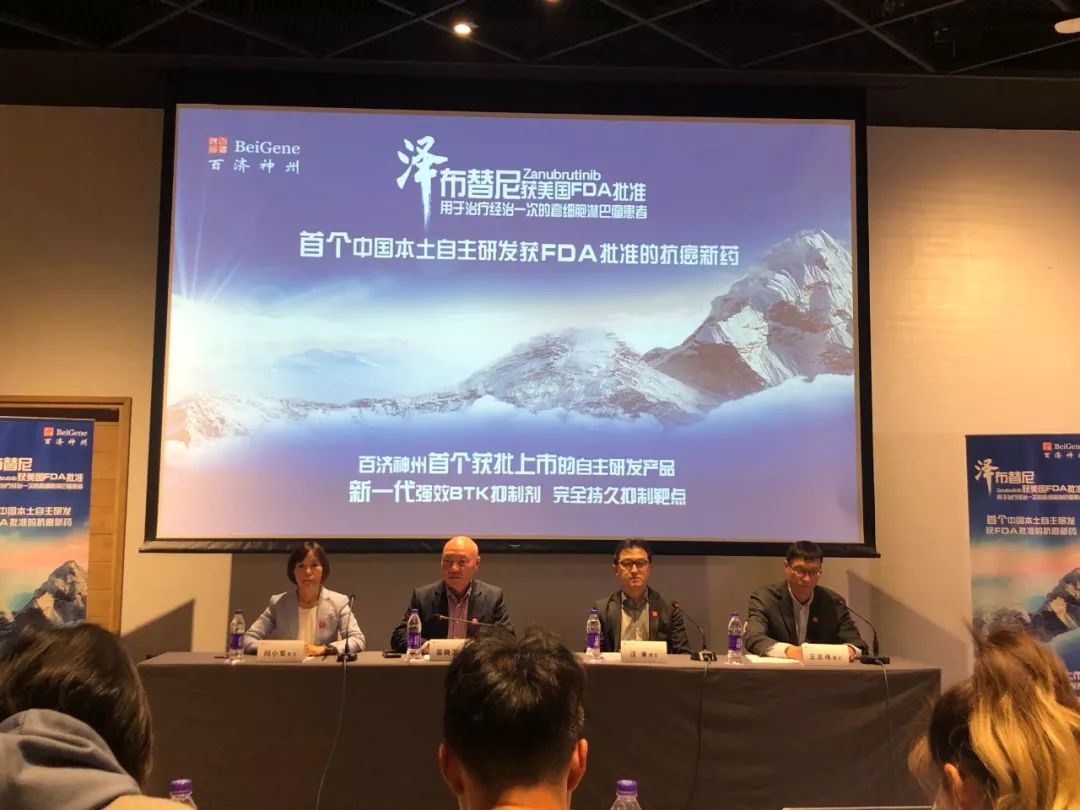
The news was confirmed in the early morning of November 15, 2019, Beijing time. When I got the message, Wu Xiaobin, who had been waiting for several days, smiled hey, wondering that she had finally gone from Changping to the world, and immediately started sending mass messages with her head hooked.
Since its establishment nine years ago, Baekje Shenzhou, the president’s company, has been burning money, and no self-developed new drug has been listed. In the last four years, the company’s net loss has reached 1.446 billion US dollars.
Behind a breakthrough is the change of the times, a group of people catching up, and the bitterness of 4.3 million cancer patients in China.
a sword takes ten years to come into being
In 2010, Wang Xiaodong, a returnee who has returned to China for seven years, invited Ou Leiqiang, a "three no-people" in Beijing, to have a meal.
Earlier, some investors found Wang Xiaodong and hoped that he would start a business in the San Francisco Bay Area, one of the most prestigious biomedical innovation valleys in the United States. At the same time, he also brought a message that Ou Leiqiang had just sold the company.
American Ou Leiqiang is an old hand of China. In 2003, he founded Bio-Duro Biotechnology Company in Beijing, which is in the same park as Beijing Institute of Life Sciences founded by Wang Xiaodong, and they have known each other for a long time. Later, O ‘Lei Qiang sold Baonuo and loitered for $80 million.
This time, Wang Xiaodong wanted to bring him in and go to the San Francisco Bay Area together.
Ou Leiqiang, who has no house, no home and no job, doesn’t want to go back to America. He immediately said that China’s pharmaceutical market is a gold mine, and you still have to start your business in China, and if you want to do it, you should do anti-cancer drugs. This is completely different from Wang Xiaodong’s original idea, but Ou Leiqiang persuaded him.
Soon, the new company Baekje Shenzhou was successfully registered, and its main business was the research and development of anticancer drugs.
Figure/vision china
That was in 2011, China has become the second largest market in the world after the United States. Every day, 7,500 Chinese people die of cancer. However, due to the gap in R&D strength accumulated in history, 90% of the 4.3 million cancer patients in China rely on imports.
A large number of returnees and entrepreneurs like Wang Xiaodong and Ou Leiqiang are in the tide and have already smelled the taste of spring. Around 2010, a large number of pharmaceutical companies aiming at innovation rather than imitation sprouted in China, including Kangxinuo Bio, Yasheng Medicine, Junshi Bio, Xinda Bio and Geli Bio. "Based on China and looking at the world" is almost the common positioning of these companies.
However, Baekje Shenzhou, which has great confidence in the China market, chose to go to Australia in 2014 when it was preparing for the first phase of clinical trials.
Because at that time, the speed of drug review and approval in China was too slow. According to Mingde Yu, honorary president of China Pharmaceutical Enterprise Management Association, at that time, it took an average of 34 months to queue up before drug review and approval. If an innovative drug was approved, it would not come down in 1989.
This has not only caused a backlog of drug applications (more than 20,000 at the peak), but also suppressed innovation. The market has long been occupied by generic drugs, and more than 90% of the 170,000 approved approval numbers are generic drugs.
More than 90% of cancer treatment depends on imported drugs, and the time to enter the China market is 5 to 7 years later than that of neighboring countries and regions. Due to the lack of competing products, the prices of these drugs in China are often higher than the global average.
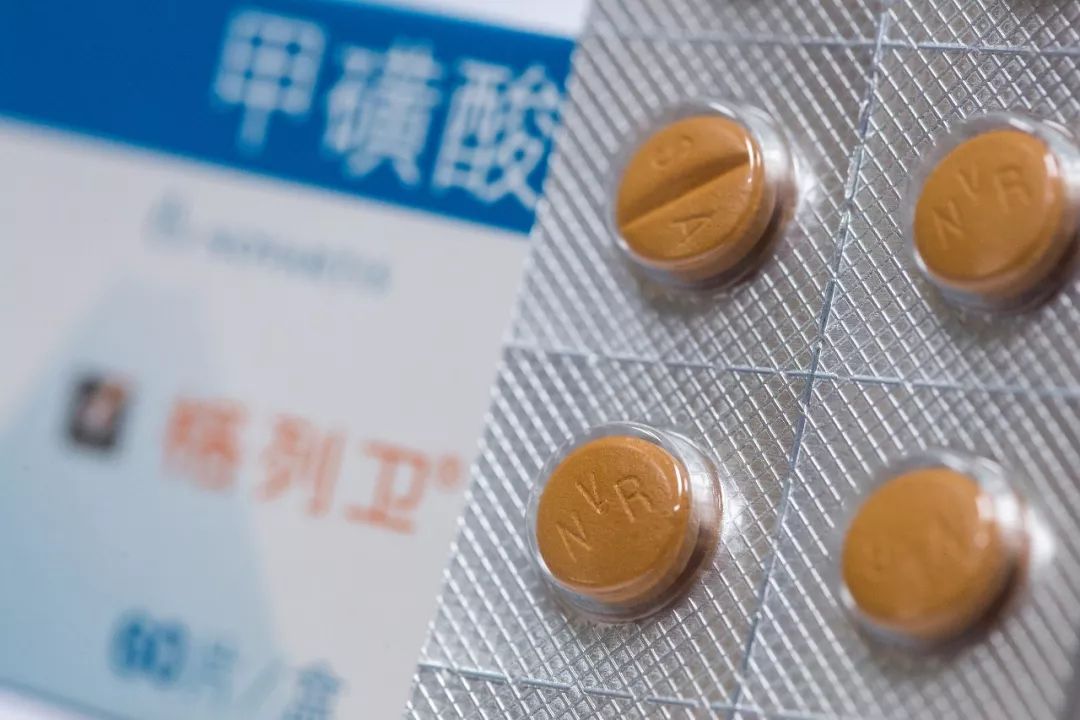
For example, Novartis’s Gleevec, the prototype of Dying to Survive’s Gleevec, was approved for listing in China in 2002. The price of each box was 23,500 to 25,800 yuan, and patients needed to eat two boxes a month. This price is two to three times that of the United States, Australia, South Korea and other markets.
Figure/vision china
In order to solve this dilemma, China has carried out a series of reform measures focusing on improving the quality of drugs, increasing the speed of listing and encouraging drug innovation.
Now it seems that the effect is beginning to show, not only the backlog of registration and approval has been solved, but also the number of new drugs on the market has greatly increased.
According to the Summary of New Drug Evaluation in 2017 released by GBIHealth, from 2013 to 2017, the number of innovative chemicals approved for marketing in China has been single digits, namely, 5, 3, 2, 2 and 8. In 2018, it increased to 24 in one fell swoop.
From 2010 to 2018, it is not only the policy that has changed, but also the time itself-the 10-year new drug research and development cycle has reached the harvest season.
In particular, the first shot of China medicine going to the European and American markets started.
BGB-3111 is named zebutinib, which can inhibit cell proliferation or malignant proliferation, and is suitable for mantle cell lymphoma with high degree of danger in lymphoma and chronic lymphoblastic leukemia.
Before zebutinib, two competing products have been listed, both from international pharmaceutical manufacturers. In November 2013, Irutinib, which was created by Johnson & Johnson and Abbevi, was approved for marketing. The clinical trial results showed that 21% of the patients who took the drug were completely relieved.
The complete remission, that is to say, the manifestations of lymphoma have disappeared, which is generally considered to be cured.
We should know that when mantle cell lymphoma is usually diagnosed, cancer cells have spread to lymph nodes, bone marrow and other organs, which is notoriously dangerous and difficult to treat. The survival period is generally about two years, and few drugs can achieve the effect of "complete remission".
Therefore, irutinib has been recognized as a "breakthrough drug" by the US FDA for four times, and also won the "Galen Award" for the best drug in 2015, which is the highest honor in the field of drug research and development. Since then, the drug has quickly occupied a dominant position in the market, with annual global sales exceeding $6 billion.
However, the second phase clinical results of Zebutinib in Baekje Shenzhou show that it can achieve a complete remission of 59%, which is much higher than that of 21% in irutinib.
Figure/photography AI Finance and Economics Liu Suiping
Those local innovative pharmaceutical companies established in China in the same period also have their own gains: Junshi Bio and Cinda Bio each have a domestic PD-1, which can activate the body’s own immune system, thus killing cancer cells; Geli’s small molecule hepatitis C treatment drug has been approved for marketing; Yasheng Pharmaceutical, known as the third-generation "Gleevec", is about to submit a listing application.
Having independent innovative drugs also means having pricing power and bargaining power.
There was another great event in the year when Baekje Shenzhou was founded: Beida Pharmaceutical Co., Ltd., which was established in 2003, was approved to be listed as an innovative drug, Ektinib (trade name: Kemena).
This is the first small molecule targeted anticancer drug with independent intellectual property rights in China, which is used for the treatment of lung cancer. Previously, this kind of patients could only rely on Iressa from AstraZeneca, a British pharmaceutical company, and Trocquer from Roche, Switzerland. Their monthly expenses were 16,500 yuan and 19,800 yuan respectively, and the price of a drug was comparable to that of a gram of gold.
After the domestic self-developed Kemena went on the market, the average monthly cost of targeted drugs for lung cancer decreased by 30% to 50%. On this basis, the state took the lead in negotiating medical insurance access for drugs, prompting enterprises to cut prices several times. In the end, in the national centralized procurement that just ended at the end of September this year, the price of Iressa per box has dropped to 547 yuan, and the average monthly cost has dropped to about 2,000 yuan, about one tenth of that of nine years ago.
Why Baekje Shenzhou?
Take a look at the rankings of local pharmaceutical companies in China, with Hengrui Pharmaceutical as the leader, with revenue of 17.4 billion yuan and net profit of 4 billion yuan in 2018. The revenue of Baekje Shenzhou is less than 1.4 billion yuan, and it is in a position where the taillights of Hengrui cars can’t be seen, and the net profit is even more invisible, which is-4.7 billion yuan.
On the other hand, the stock price is very powerful. On the day zebutinib passed the FDA listing approval, Baekje Shenzhou soared in Hong Kong stocks. In fact, the stock price in November was very good, with a cumulative increase of 52% compared with the beginning of the month and almost double that of a month ago.
In at least seven rounds of financing since its establishment, Baekje Shenzhou has raised at least $5 billion from Amgen and Gaoyou, among which Gaoyou Capital has followed up in seven rounds.
Liu Mulong, a partner of Xianyong Capital, said that the domestic level in the field of biomedicine, especially innovative drugs, has been lagging behind for a long time. Nowadays, a large part of the hot investment of capital is the remedial effect. When looking for the target, the level and market potential of core drugs are undoubtedly the focus.
How smart the capital is. People who eat melons see the statements of net losses year after year, and what the dealers see is the figure of FDA staff stepping out of Peking University Cancer Hospital in October this year.
After completing the early research and development stage, clinical research of zebutinib has spread all over the world, and more than 20 clinical trials have been launched. Finally, it was approved to benefit from the data of two of them. One of them was presided over by Professor Zhu Jun, director of the Lymphoma Department and director of the Department of Internal Medicine of Peking University Cancer Hospital, and it was a phase II clinical trial; The other is a phase 1 clinical trial in Australia, which proves that the drug is effective not only for China patients, but also for other people.
Figure/photography AI Finance and Economics Liu Suiping
According to the regulations of various governments, drugs need to go through three phases of clinical trials from research and development to marketing, of which the second phase is particularly important. If it proves to be effective and passes the verification, it is likely to enter the "fast track" and be directly approved.
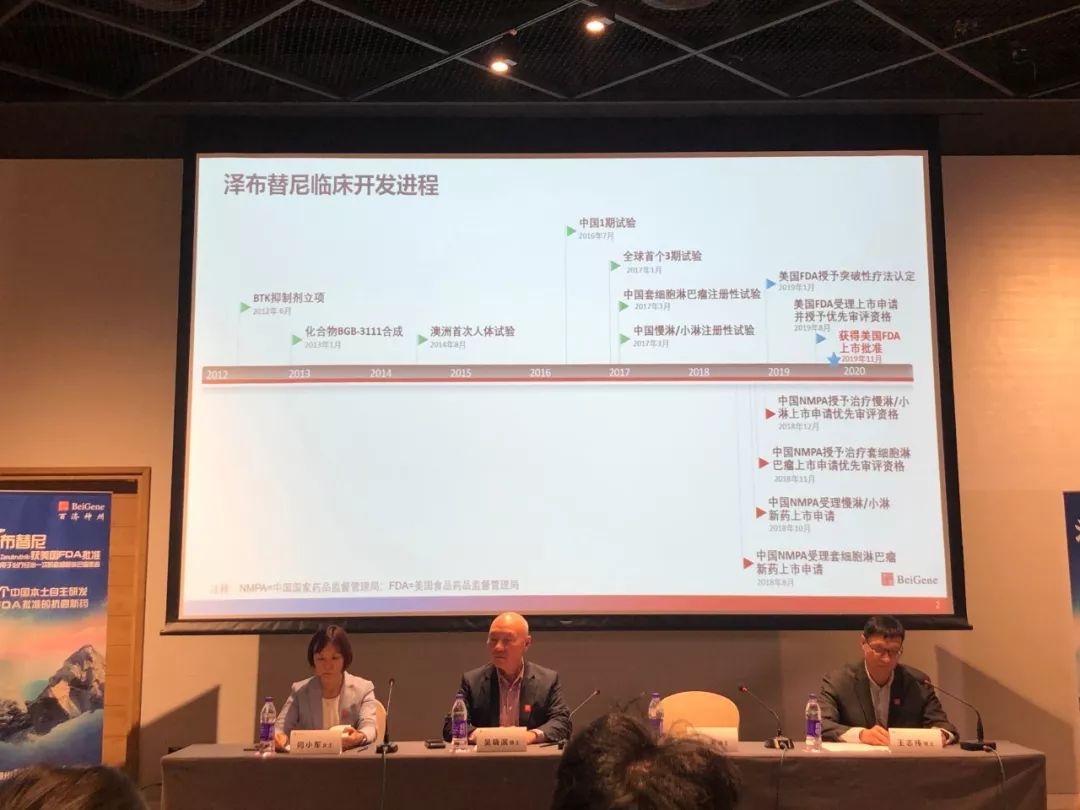
The results of the second phase test in the North Tumor Laboratory were excellent. In October 2019, the FDA sent people to the laboratory for on-site verification.
In the past decades, China’s anticancer drugs have been "only in and out", and Peking University Cancer Hospital naturally accepted the FDA’s verification for the first time.
The result passed smoothly. Zebutini entered the "fast track" of the FDA, and only when it was finally approved, the capital came.
There are three key teachers who are responsible for R&D, capital and sales.
In the field of life sciences in China, Wang Xiaodong is as famous as Shi Yigong and Rao Yi, and is called the "Three Musketeers". In 1985, Wang Xiaodong went to the United States to study under two Nobel Prize winners. In April 2004, 41-year-old Wang Xiaodong was elected as an academician of the American Academy of Sciences, and in 2013, he became a foreign academician of the China Academy of Sciences.
After returning to China to start a business, Wang Xiaodong’s income has been reduced by half compared with that in the United States, and it is inevitable that his wife will not complain. He once laughed at the media and said that Baekje Shenzhou was founded to ease his economic pressure and supplement his family.
Ou Leiqiang is a typical hunter. After five years of management consulting at McKinsey, he changed five companies in 17 years and was finally cashed out.
The combination of R&D giants and capital experts enabled Baekje Shenzhou to land on NASDAQ five years after its establishment. In August 2018, it was listed on the Hong Kong Stock Exchange.
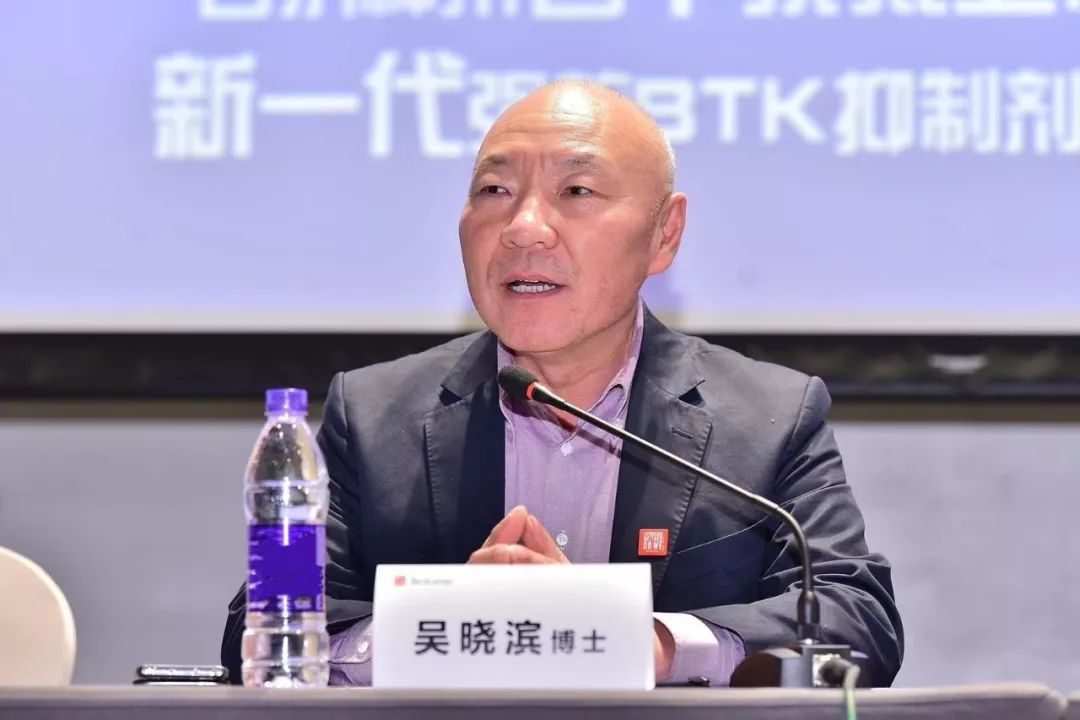
Another important event in the year when the Hong Kong Stock Exchange went public was the arrival of Wu Xiaobin. In May 2018, Wu Xiaobin, a "godfather" of China pharmaceutical industry, joined Baekje as the general manager and president of China.
Prior to this, Wu Xiaobin had worked in Pfizer for 15 years, and he worked in the pharmaceutical industry for 30 years. He started as a medical representative of Bayer and eventually served as CEO of Bayer, Wyeth and Pfizer in China.
At this point, the triangle of scientific research, capital and sales has gathered.
Figure/meeting site
The timing of Wu’s joining is very accurate, almost the eve of the commercialization of zebutinib. Prior to this, the second phase trial of zebutinib in Beiswollen went smoothly. Three months after Wu Xiaobin joined the company, the experimental data was announced to be collected, and he formally submitted an application to National Medical Products Administration and was accepted. The following year, he submitted an application to the FDA.
Little is known about the details of Wu Xiaobin’s joining the company, but he told AI Finance and Economics, "In a big company, whatever I do has little impact, while what I do in Baekje has great impact on the company." Wu Xiaobin said, for example, the breakthrough of the first vote of zero, as one of them, will certainly be very proud, which is worth talking about when drinking big wine.
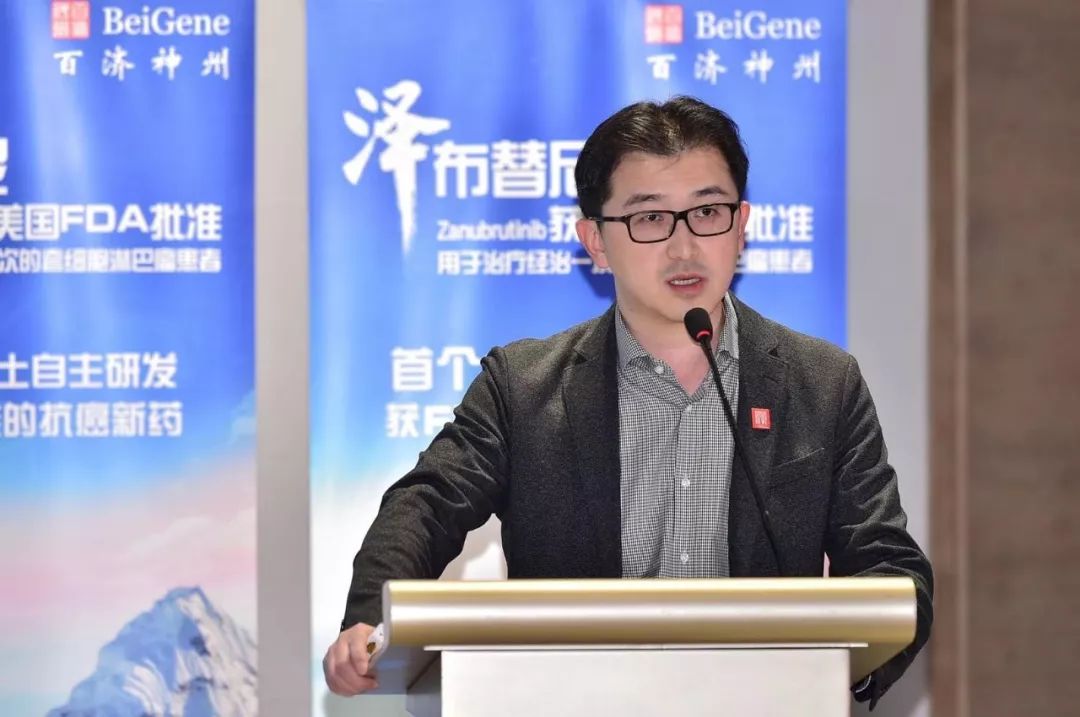
Wu Xiaobin is certainly not the only one who wants to do something. Under the gathering effect of several flag figures, some scientific research and pharmaceutical sales personnel of multinational pharmaceutical companies have also joined in, in order to prefer the price of salary reduction. Including Wang Lai and Wang Zhiwei who synthesized BGB-3111.
Figure/meeting site
"What is our greatest hope as a scientific researcher? It is what is made that can bring benefits to patients. " Wang Zhiwei mentioned that during the clinical trial stage, he was very moved by a photo of an Australian patient.
The photo says: Live longer with BGB-3111.
The birth of a new drug often takes 10 years, costs 1 billion or even 2 billion dollars, and the risk is extremely high. Wang Zhiwei felt that it was this moment that supported researchers to overcome the frustration caused by the failure rate of more than 90%. Up to now, almost all the people who joined the company’s chemistry team with him are still there.
In the universal value, medical practitioners all enjoy the sense of accomplishment of curing patients, but for the scientific researchers of innovative pharmaceutical companies in China, the driving force comes from the sense of urgency brought by backwardness. On the day when the news of "Zero Breakthrough" came, at the media conference, Wu Xiaobin felt that our country not only advanced in manufacturing equipment, high-speed rail and IT industries, but also biopharmaceuticals began to emerge. Although it has not yet advanced, the gap with the world is narrowing rapidly and greatly.
Previously, a document provided by Baekje Shenzhou to the US Securities and Exchange Commission showed that Wu Xiaobin’s salary in 2018 was as high as 21.549 million US dollars (equivalent to about 145 million yuan), mainly from stock and option awards, and it was conditional and needed to be cashed in installments within five years. This treatment can already be ranked in the middle of the global pharmaceutical company CEO salary list.
Can China pharmaceutical companies go global?
Wu Xiaobin once predicted that in the next 10 years, among the TOP10 new drugs in the world, there will be local innovative drugs in China. There are three reasons. First, the overall national strength of China has increased; Second, compared with large multinational pharmaceutical companies, innovative pharmaceutical companies newly established in China in the past 10 years are more efficient; Third, the market power brought by the demand of 4.3 million cancer patients in China.
In addition to the accelerated speed of drug approval, the frequency of innovative drugs being included in the medical insurance catalogue has also increased significantly. On November 13, a new round of national medical insurance access negotiations ended, and at least 70 innovative drugs were included in medical insurance. This means that someone pays for these innovative drugs.
This is an inspiration for innovative drug companies. From 2013 to 2018, there were about 1,400 applications for clinical trials of cancer drugs in China, of which almost all common and rare ones were involved, except for the rare cancer species that could not be found.
On the other hand, for generic drugs, the National Medical Insurance Bureau took the lead in centralized procurement, which forced the price of generic drugs to drop sharply, and the single-chip price of some drugs even counted in cents, and generic drugs officially entered the era of low profit.
Figure/vision china
In this context, Hengrui Pharma, Unacon, Zhengda Tianqing and other domestic traditional pharmaceutical enterprises began to transform, increased research and development costs, and turned to research and development of innovative drugs and high-end generic drugs with thresholds. According to the Securities Times Network, in the third quarter of this year, the total R&D expenses of 201 pharmaceutical companies reached 8.144 billion yuan, up 34% year-on-year and 17% quarter-on-quarter, respectively.
However, we must face up to the fact that at present, there are a large number of new drug research and development enterprises, but most of them are still in the early stage, and the wave of approval for intensive listing of new drugs in China has not yet come.
Mingde Yu, honorary president of China Pharmaceutical Enterprise Management Association, also suggested that we should be alert to the high risks brought by the overvaluation of innovative drugs, especially on the track where R&D is too concentrated. Both developers and investors need to pay more attention to theoretical innovation and actual clinical effects, and should not be blind.
Some media also expressed concern about the commercialization prospect of zebutinib, pointing out that the mantle cell lymphoma targeted by the drug is a rare disease, with an incidence rate of less than one in 100,000 in the population. In 2015, 3,000-4,000 patients were diagnosed in the United States, so the commercialization market prospect is limited.
This worry will not be unexpected for Baekje Shenzhou, which spends 4.6 billion yuan a year on research and development. Ou Leiqiang, Wang Xiaodong and Wu Xiaobin have all been dealing with foreign drug registration and drug market for a long time, and they are well-versed in the internationalization of the pharmaceutical industry, mr. six.
Zebutini has been awarded four special certifications by FDA, such as orphan drug certification, fast track, breakthrough therapy certification and priority review. According to the American Orphan Drugs Act, enterprises recognized by FDA for orphan drugs enjoy tax relief, exemption from application fees, R&D funding, accelerated approval and exclusive market rights for seven years after listing.
Getting orphan drugs is the first step. In the routine practice of multinational pharmaceutical giants, the next step is to make use of policy advantages to make breakthroughs. The initial target may be rare diseases, and then expand to a wider range of treatment fields after listing, thus gaining greater commercial value. For example, Novartis borrowed Gleevec to gradually advance into other blood tumor markets.
The practices of the giants were copied by mr. six. Ou Leiqiang, the founder, CEO and chairman of Baekje Shenzhou, has publicly stated that they will continue to develop zebutinib in other hematological tumors except mantle cell lymphoma, hoping that this approval will be the first for many subsequent listing approvals.
On the other hand, in 2017, Baekje Shenzhou has announced a cooperation with American biopharmaceutical company Xinji. The core content includes: Baekje Shenzhou will have the exclusive agency rights for three products approved by Xinji in China.
The sales of two drugs in China have propped up the main revenue of Baekje Shenzhou at present. More importantly, these two drugs have established a relationship for Baekje Shenzhou in hematology departments of major hospitals in China, so it will be beneficial to the market penetration and expansion of zebutinib in the early stage of listing-after all, zebutinib will also be listed in China early next year.
Figure/vision china
Feelings belong to feelings, but how to go ahead, how to earn money, the route is clearly arranged.
Within the R&D team of Baekje Shenzhou, scientists often joke, "We are the Champion, we are in Changping". This medicine, which was born in Changping, a suburb of Beijing, was synthesized in a borrowed laboratory. In the early days, the team was in a precarious position, lacking space and equipment, and some even took all the pots at home to the laboratory for experiments.
Now, China has joined ICH (International Coordination Meeting on Technical Requirements for Drug Registration for Human Use), and it is expected to realize mutual recognition of clinical data in the future and internationally. In January this year, PIC/S (International Organization for Drug Inspection) announced its annual plan, which also revealed the interest of China’s drug regulatory authorities in joining. Once it joins, the pace of drug export in China will be greatly accelerated.
(Liu Suiping and Song Ziying also contributed to this article)
We set out from the weekly magazine Caijing Tianxia, with the form and rhythm of new media,
In the spirit of seeking truth from facts in traditional media, we are committed to spreading truly valuable reports.
This article was originally produced by AI Finance and Economics. Please do not reprint it without permission.
Read the original text