Beauty cosmetics are still rolling ingredients? Volume concentration? Looking at the world’s leading research and production technology of skin care products from the synthetic biological science muse
Can you imagine that one day in the future, the raw materials for skin care products you use every day may actually be produced by cell factories? Moreover, the latest generation of synthetic biology technology may be adopted, that is, the genes of microorganisms are "read, written and modified", and speaking human words means artificially transforming the cell factory to make it produce the functional components we want efficiently.
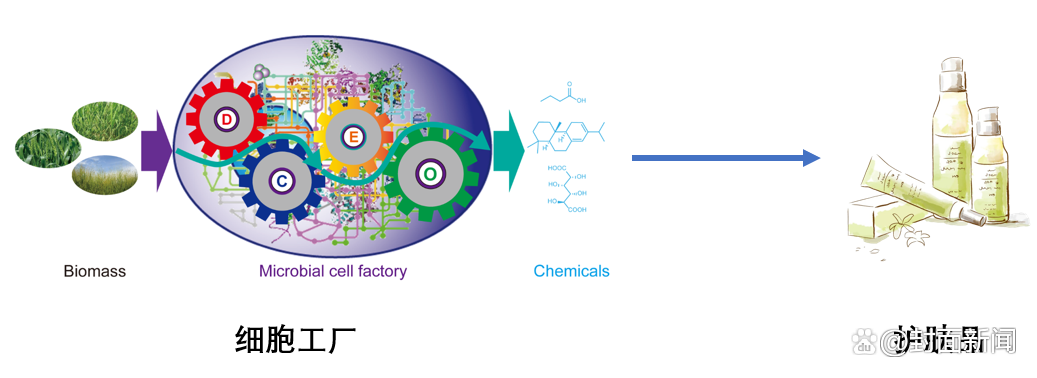
As it happens, I was very lucky to be invited to visit Huaxi Biosynthesis Science Museum recently. Today, I will tell you through an article how those seemingly common skin care ingredients are produced through synthetic biology.
Here, by the way, I will give the ingredients Amway the Synthetic Biology Science Museum of Huaxi Bio (in Daxing, Beijing, the babies in Beijing are blessed). After the visit, you will feel, wow, it turns out that our skin care products can also be so tall, and it can also contain biotechnology for the future. It turns out that the black technology in those books is so close to us. Without further ado, let’s start the text.
What is synthetic biology?
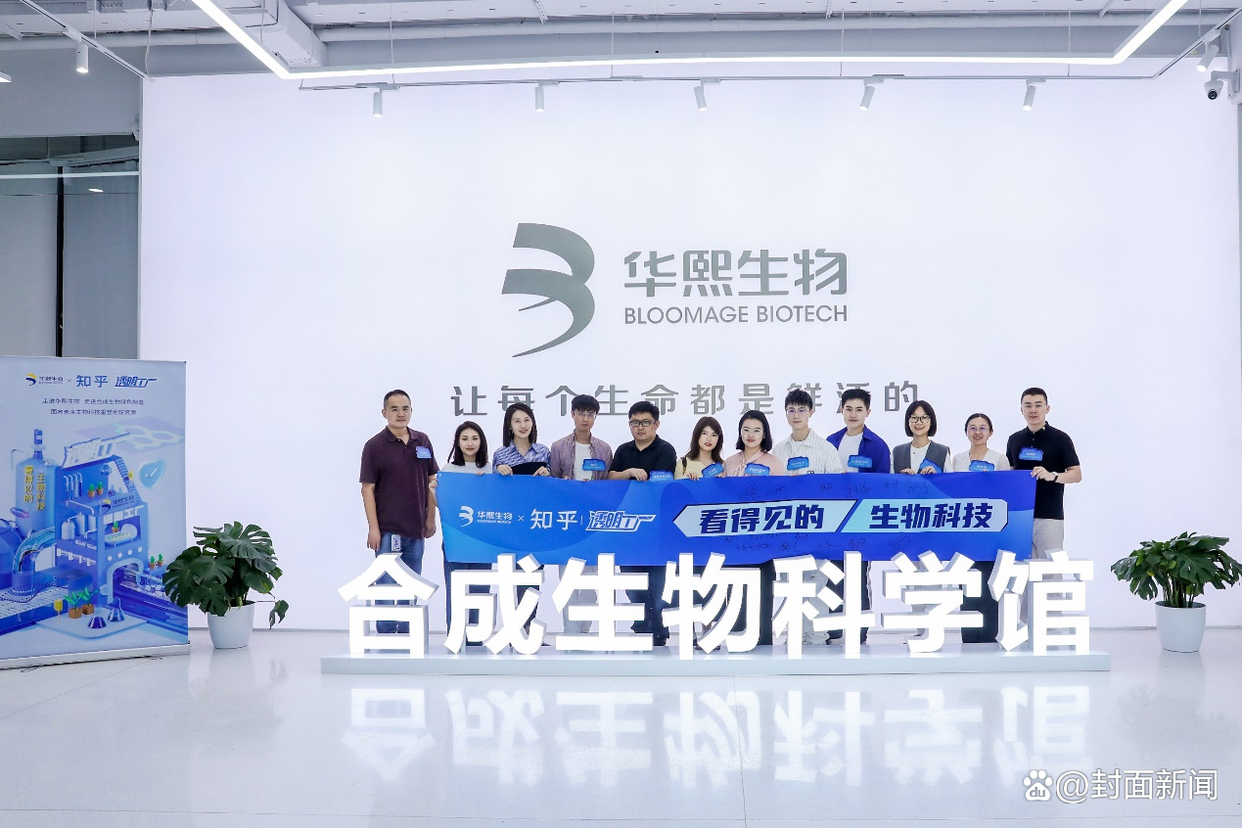
Among the biotechnology with microbial fermentation as its core, synthetic biotechnology is considered as the "third generation biotechnology". The first generation of biotechnology, we use the natural mixed microbial flora to transform natural resources into food that meets human needs. Including wine and vinegar, are the products of our first generation of biotechnology. The second generation of biotechnology is a step forward. People can separate a single microorganism with specific functions from nature for fermentation, and directionally transform natural resources into products that people need. The most representative products at this stage are monosodium glutamate (monosodium glutamate), a daily condiment, and hyaluronic acid, which is often used in beauty industry. Our third-generation biotechnology is cross-generational. It relies on synthetic biotechnology, designs and transforms microorganisms for directional fermentation, and turns cells into super factories to efficiently produce the substances we need.
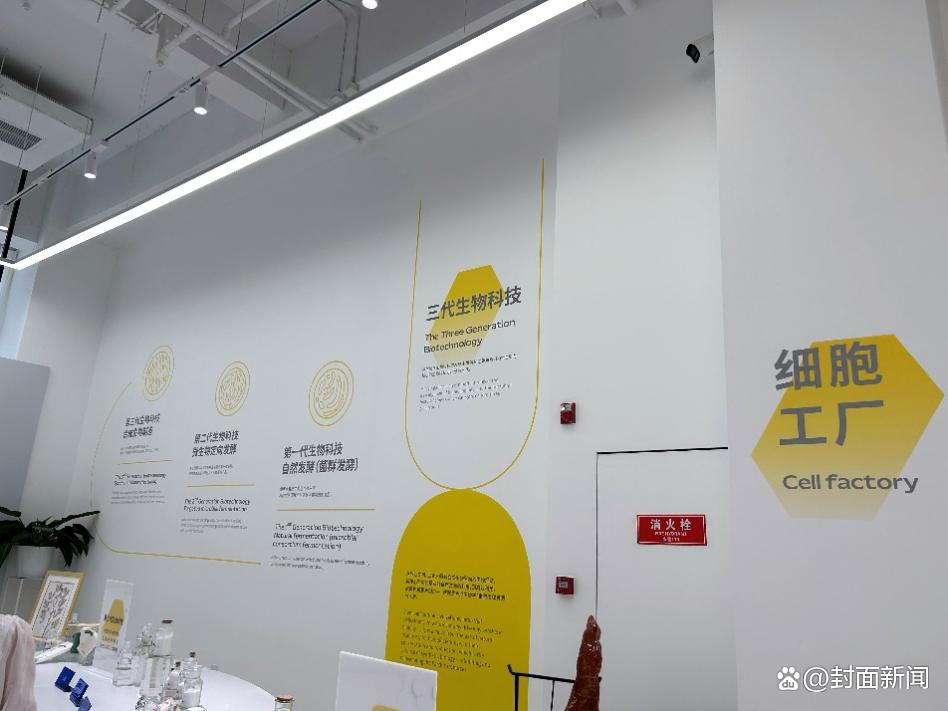
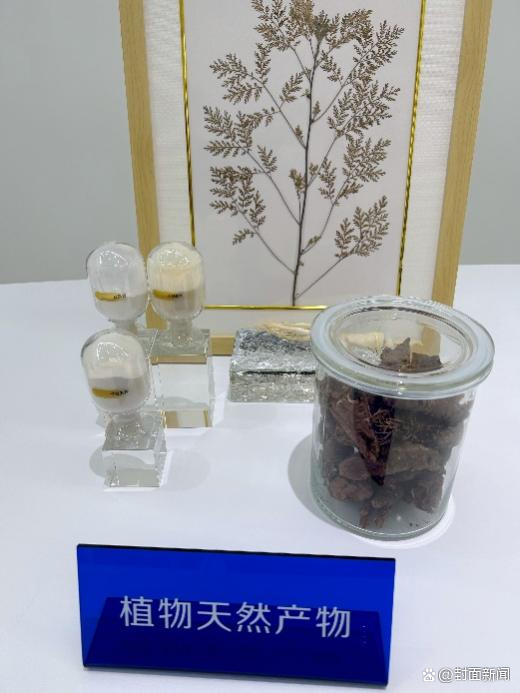
The biggest feature of cell factory production is that it can replace the original petrochemical sources, animal extraction, plant extraction, chemical extraction and so on. What good is this? Take artemisinin, which won the Nobel Prize, as an example. It can be separated and purified from Artemisia annua by traditional extraction method, but there is a bug in this method. The content of effective components obtained is low, and the batch is unstable, which is easily affected by the external environment. Now with synthetic biotechnology, this problem can be greatly overcome. By transforming yeast cells, introducing genes related to artemisinin synthesis and opening up the whole metabolic pathway, researchers can transform the substrate raw materials into artemisinin we want. Artemisinic acid can be obtained by photooxidation. [1] To put it simply, you only need to design the cell factory in the early stage, and the cells will be supplied in the fermentor, and it will work at full capacity for you, and it will not occupy cultivated land or plant, with short time period and environmental friendliness.
Who is the strongest in synthetic biology in the field of cosmetics?
Huaxi Bio-technology will definitely occupy a place, because microbial fermentation technology is a core technology of synthetic biology. Huaxi Bio has been engaged in microbial fermentation for more than 20 years. Of course, I think the best thing about Huaxi Bio is that it has the advantages of the whole industrial chain platform, from the cell factory design in the laboratory at the beginning, the pilot transformation platform to the later scale-up production, and even the raw material sales and brand building.
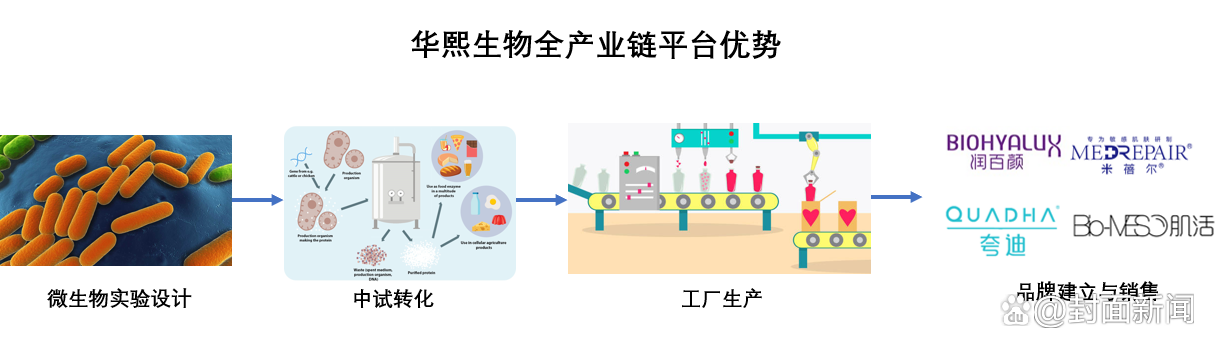
In addition to the hyaluronic acid that we are most familiar with, Huaxi Bio, which has such a powerful technology buff addition, has actually begun to lay out in ergothionine, collagen and so on. Let’s give you a detailed introduction.
Ergothiazine:
It’s an anti-oxidation demon, and any type of free radicals are a piece of cake in its eyes. In some anti-oxidation indexes, it’s even worse than the traditional anti-oxidation strongman Vc derivatives, idebens and coenzyme q10.
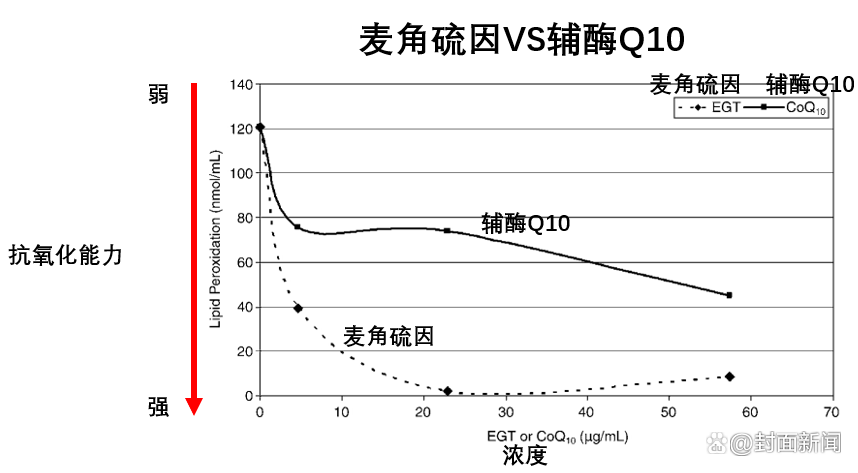
Although ergothionine is excellent, it is a bit difficult to obtain and purify it, according to reports.![[2]](http://www.1000ef.com/wp-content/uploads/2026/08/bMJ85d96IW.png "[2]") Using the traditional second-generation biological fermentation technology, the maximum fermentation broth can only be raised to 160 mg/L. It is revealed that the yield of ergothionine produced by Huaxi Bio-synthetic organisms has broken through by an order of magnitude, originally only a few hundred mg per liter, but now it has broken through to a few grams, and the product can be listed in the next one to two years.
Using the traditional second-generation biological fermentation technology, the maximum fermentation broth can only be raised to 160 mg/L. It is revealed that the yield of ergothionine produced by Huaxi Bio-synthetic organisms has broken through by an order of magnitude, originally only a few hundred mg per liter, but now it has broken through to a few grams, and the product can be listed in the next one to two years.
Using the traditional second-generation biological fermentation technology, the maximum fermentation broth can only be raised to 160 mg/L. It is revealed that the yield of ergothionine produced by Huaxi Bio-synthetic organisms has broken through by an order of magnitude, originally only a few hundred mg per liter, but now it has broken through to a few grams, and the product can be listed in the next one to two years.In addition to using synthetic biology to make great efforts in ergothionine production, in fact, Huaxi Bio has also used their rich skills in microbial fermentation technology to cultivate some of the latest skin care new aristocratic ingredients, such as ekdoline and GABA.
Ekdoine:
The name of Ectoin looks strange, but in fact it is a standing ingredient of the first-line big brands in the past two years. Ectoin was first found in bacteria growing in extreme environment, and it is a key component to protect its normal operation. This is because, on the one hand, Ectoin has a strong water binding ability, which provides a strong barrier for cells; on the other hand, Ectoin can also regulate the osmotic pressure of cells, save enough water for cells and maintain the morphology of cells. Therefore, in addition, it has many unexpected functions, such as anti-aging, repairing skin barrier, repairing UV damage and so on.
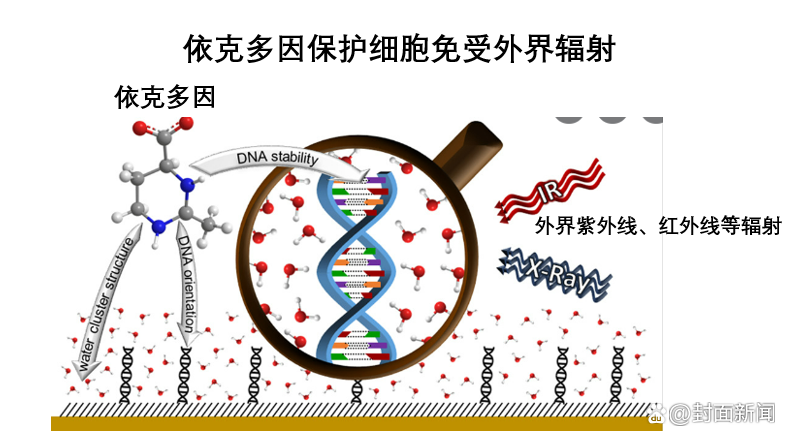
Because it can protect protein and nucleic acid from losing water in extreme environment, it can work normally. Therefore, as an effective ingredient, it is more suitable for skin protection in seasonal and dry autumn and winter.
GABA:
A new generation of healthy star ingredients, full name γ -aminobutyric acid, is a neurotransmitter in the brain. Mainly related to improving anxiety. At present, the evidence about the health benefits of GABA is still solid, and there are many human experimental data behind it. For example, there are hundreds of articles in Google academic search. Like before, Byun and other great gods designed strict random double-blind experiments, and the results showed that the experimenters who ate GABA-containing rice germ extract showed good health effects.
Generally speaking, the domestic products of beauty products are becoming more and more involuted, but the end of involution is not only the brainless accumulation of efficacy concentration, but more importantly, the cultivation of internal strength, and deep internal strength is not cultivated in a day, which requires you to bet on it from the beginning when no one pays attention. For example, Huaxi Bio has been investing in R&D and production for 20 years, and only then have we seen their reputation and sales blowout in the field of hyaluronic acid. Looking forward to one day in the future, we can also use skin care products containing the latest synthetic biotechnology ~
References:
![[1]](http://www.1000ef.com/wp-content/uploads/2026/08/352T3mLRl0.png "[1]") Jiang Fenglin, Gong Ting, Chen Jingjing, Chen Tianjiao, Yang Jinling, Zhu Ping. Research progress in synthetic biology of medicinal natural products from plants.
Jiang Fenglin, Gong Ting, Chen Jingjing, Chen Tianjiao, Yang Jinling, Zhu Ping. Research progress in synthetic biology of medicinal natural products from plants.![[J]](http://www.1000ef.com/wp-content/uploads/2026/08/RivfV1Hm2.png "[J]") Journal of bioengineering, 2021,37 (06): 1931-1951. doi: 10.13345/j.cjb.210138. Liu Xinqi. Efficacy evaluation of ergothionine and development and application of raw materials.
Journal of bioengineering, 2021,37 (06): 1931-1951. doi: 10.13345/j.cjb.210138. Liu Xinqi. Efficacy evaluation of ergothionine and development and application of raw materials.![[D]](http://www.1000ef.com/wp-content/uploads/2026/08/6eFq2h.png "[D]") Universities of Applied Sciences, Shanghai, 2020. doi: 10.801/d.cnki.gshyy.10080.100000000103
Universities of Applied Sciences, Shanghai, 2020. doi: 10.801/d.cnki.gshyy.10080.100000000103This article reprints Zhihu’s answer to "Jiang Xiaoying"
Reporting/feedback