August 7th Conference and Armed Uprising in Various Regions

Nanchang Uprising

Under the extremely severe situation that the revolution suffered serious failure, should we persist in the revolution? How to persist in the revolution? These are two fundamental issues before the Communist Party of China (CPC). The party gave a preliminary and clear answer to this with the actual action of armed uprising.

In order to revive the revolution, the party led the people in an arduous struggle. In mid-July, 1927, the Standing Committee of the Provisional Political Bureau of the Central Committee of the Communist Party of China sent Li Lisan, Deng Zhongxia, Tan Pingshan and Yun Daiying to Jiujiang, Jiangxi, to organize some forces of the National Revolutionary Army controlled and influenced by the Communist Party of China (CPC), and to unite with the commander-in-chief of the Second Army, Zhang Fakui, to return to Guangdong, so as to establish a new revolutionary base and carry out the agrarian revolution. On July 20th, when Zhang Fakui was found to be on Wang Ching-wei’s side, Li Lisan and others immediately abandoned the plan of relying on Zhang Fakui and proposed to launch an independent military action against the Kuomintang governments in Nanjing and Wuhan, namely the Nanchang Uprising. After learning the proposal of Li Lisan and others, the Standing Committee of the Provisional Political Bureau of the Central Committee formally confirmed the deployment of an armed uprising in Nanchang. Subsequently, the plan of the uprising was reported to the Communist International.

At this time, the 24th Division of the 11th Army under the jurisdiction of the Second Front Army of the National Revolutionary Army was commanded by communist party Ye Ting. The 73rd and 75th regiments of the 25th Division of the Fourth Army were organized by the Ye Ting Independent Regiment during the Northern Expedition, and the 30th Regiment of the 10th Division was held by communist party. The 20th Army was commanded by He Long (who joined the Communist Party of China (CPC) on the way south after the uprising) who was close to communist party. These troops have been transferred from Wuhan to Jiujiang in the name of "East Conquest against Chiang Kai-shek". In late July, Wang Ching-wei and Zhang Fakui felt that He Long and Ye Ting’s troops were "unstable" and tried to call He and Ye to Lushan in the name of a meeting to relieve them of their military power. Ye Jianying, the chief of staff of the Fourth Army, secretly rushed to Jiujiang from Lushan to discuss countermeasures with Ye Ting and He Long, and decided not to carry out the order of concentrating the troops under his jurisdiction in De ‘an, but to drive the troops to Nanchang and its nearby areas. In Nanchang, there are the Education Corps of the Third Army Officers of the Fifth Army and the Security Team of Nanchang Public Security Bureau, which were originally commanded by Zhu De and influenced by communist party. These troops are the main part of the regular revolutionary armed forces cultivated and exerted great influence by the Party during the Great Revolution, and they are also the main military forces that held the Nanchang Uprising.

On July 27th, Zhou Enlai arrived in Nanchang from Wuhan via Jiujiang. According to the decision of the Central Committee, the Front Committee of the Communist Party of China was established, consisting of Zhou Enlai, Li Lisan, Hui Daiying and Peng Pai, with Zhou Enlai as the secretary. The front Committee immediately decided to revolt on July 30.

While the preparations for the uprising were tense, the Central Committee of the Communist Party of China received a telegram from the Communist International according to the decision of the Communist Party of the Political Bureau of the Central Committee. The telegram pointed out: "If we are sure of success, we think your plan is feasible." After analyzing the situation, the Central Committee of the Communist Party of China believed that the Nanchang Uprising was sure of success, and decided to send Zhang Guotao, member of the Standing Committee of the Provisional Political Bureau of the Central Committee, to Nanchang as a representative of the Central Committee to convey the instructions of the Comintern and the Central Committee of the Communist Party of China. On the morning of July 30th, Zhang Guotao arrived in Nanchang. Because he still has illusions about Zhang Fakui, he advocates that Zhang Fakui’s consent must be obtained before an uprising can be held. This opinion was rejected by the front Committee. On July 31st, the Front Committee decided to hold an uprising in the early morning of August 1st.

In the early morning of August 1st, under the leadership of the Front Committee headed by Zhou Enlai, He Long, Ye Ting, Zhu De and Liu Bocheng led more than 20,000 troops under the direct control and influence of the Party to hold the Nanchang Uprising. After more than four hours of fierce fighting, the insurgents wiped out more than 3,000 people on the defensive and occupied Nanchang City. Nie Rongzhen and Zhou Shidi pulled out most of the troops of the 25th Division to take part in the uprising in Mahuiling, near Nanchang, and arrived in Nanchang on August 2nd.

In order to win over and unite some people in the Kuomintang who are willing to continue the revolution and expose Chiang Kai-shek and Wang Ching-wei’s betrayal of Sun Yat-sen’s revolutionary spirit, this uprising still uses the banner of the Kuomintang left. After the victory of the uprising, the Revolutionary Committee of the Chinese Nationalist Party was established, and 25 members including Soong Ching Ling, Deng Yanda (the above two have not been to Nanchang), He Long and Zhou Enlai were elected, and the presidium consisted of seven members including Soong Ching Ling and Deng Yanda. At the same time, in the name of Soong Ching Ling and others, he published the Declaration of the Central Committee, pointing out that Chiang Kai-shek in Nanjing and Wang Jingwei in Wuhan misinterpreted the Three People’s Principles, betrayed the cooperation between the Kuomintang and the Communist Party, and abandoned the three major policies of uniting Russia, uniting the Communist Party and helping the peasants and workers, which have become sinners of Sun Yat-sen’s cause; Call on all revolutionaries to unite, inherit Sun Yat-sen’s revolutionary legacy, and "continue to fight against imperialism and solve the land problem". Uprising troops used the designation of the Second Army of the National Revolutionary Army, and had three armies under their jurisdiction: the ninth, eleventh and twentieth armies. (Wei Chu, commander of the Ninth Army (not yet in position), Zhu De, deputy commander (soon to take over as commander), and Zhu Kejing, the party representative. Ye Ting, commander of the 11th Army, represented Nie Rongzhen. He Long, commander of the 20th Army, and Liao Ganwu, the representative of the Party —— Author’s Note) The Revolutionary Committee appointed He Long as the commander-in-chief of the Second Army of the National Revolutionary Army, and Ye Ting as the commander-in-chief of the former enemy.

On August 3rd, according to the decision made by the Central Committee before the uprising, the insurgents began to leave Nanchang, passing Linchuan (Fuzhou), Yihuang and Guangchang, and went south to Guangdong, with a view to restoring the revolutionary base areas in Guangdong, occupying the seaport, obtaining international assistance, and then resuming the Northern Expedition. But by this time, most of the National Revolutionary Army had turned to counter-revolution, and the Nanchang Uprising Force led by communist party was weak, so it was impossible to carry out a revolutionary war with the occupation of cities as the central goal, like the Northern Expedition during the Great Revolution. After withdrawing from Nanchang, the rebel army did not realize that it should go to the vast rural areas of Jiangxi, Hunan and Hubei nearby to combine with the peasant movement that has not been completely suppressed by counter-revolutionary forces, so as to gradually accumulate and expand revolutionary forces. Instead, it was busy going south to Guangdong to make expeditions and compete for cities and seaports. In this way, we will put ourselves in a disadvantageous position.

On the way to Guangdong, due to the weak leadership and political work of the Party and the hot weather, many soldiers fled and fell ill, and the number of troops was seriously reduced. Cai Tingkai, the commander of the 10th Division of the 11th Army, who was wavering during the uprising, led his troops to leave the revolutionary ranks when he arrived in Jiangxi to become a sage. On the way to the south, the rebels fought fiercely with the Kuomintang troops who came to intercept them. Although they won some victories, they also suffered great casualties. After the capture of Chao ‘an and Shantou in Guangdong in late September, the main troops marched westward to Tangkeng (now Fengshun County) via Jieyang, and a few troops stayed in Chao ‘an and Shantou. At the beginning of October, under the siege of the superior enemy forces, these troops all suffered serious failures. Only a small part of the 24 th Division of the Eleventh Army, led by Dong Lang and others, was transferred to Haifeng and Lufeng to join the local agricultural army. Nearly 800 insurgents stationed in Sanheba, led by Zhu De and Chen Yi, moved to the border areas of Guangdong, Jiangxi and Hunan to carry out guerrilla warfare. After the failure of the uprising, Zhou Enlai and other leaders arrived in Hongkong. After summing up the lessons, they decided that the rest of the insurgents should combine with the peasants on the spot and carry out armed struggle in the countryside.

The Nanchang Uprising fired the first shot of armed resistance against the Kuomintang reactionaries, and in the language of blood and fire, it declared the strong determination of the Communist Party of China (CPC) people to persist in the revolution without fear of violence. It set up a banner of revolutionary armed struggle in front of the whole party and the people of the whole country, marking the Communist Party of China (CPC)’s independent leadership of the revolutionary war and the creation of the people’s army (in July 1933, the provisional central government of chinese soviet republic passed a resolution, pointing out that the Chinese Red Army of Workers and Peasants was formed by the Nanchang Uprising, so it "approved the proposal of the Central Revolutionary Military Commission and stipulated that" August 1st "should be the anniversary of the Chinese Red Army of Workers and Peasants every year". This is the origin that August 1st became the Army Day of China People’s Liberation Army (the author’s note) and the beginning of the armed seizure of political power, so it is of great historical significance.
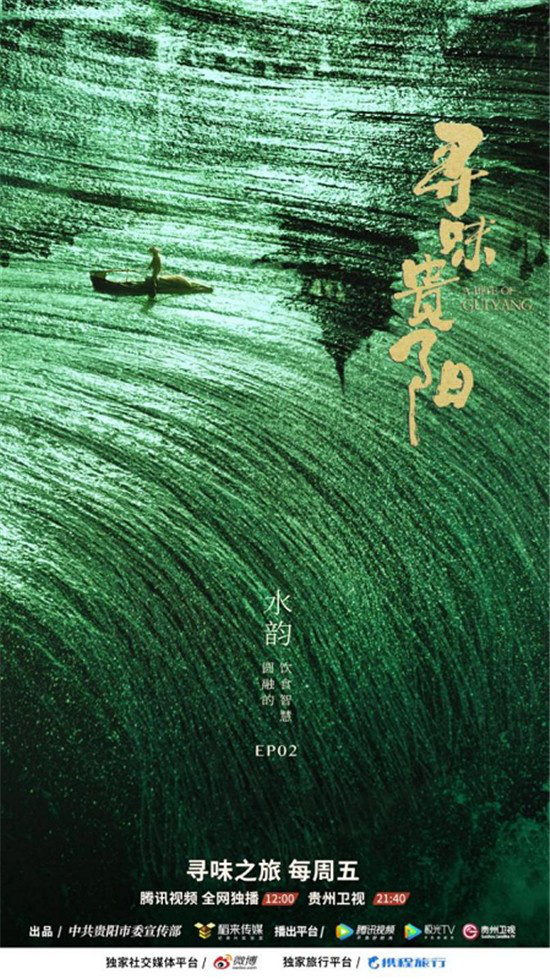
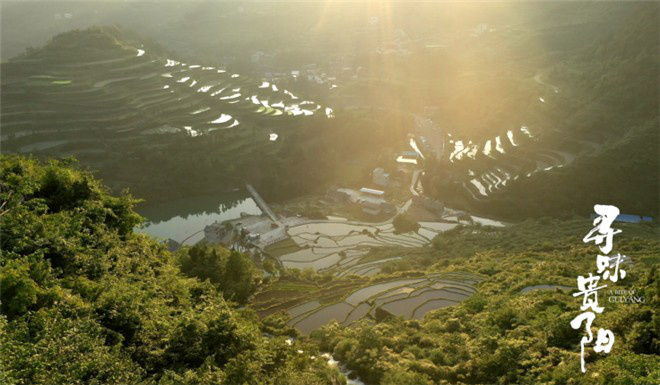
The documentary "Looking for Guiyang" explores the water rhyme and exotic food, dumping everyone.


1905 movie network news Since its broadcast on March 25th, Quest for Guiyang has made the audience see a different Guiyang: it is a summer capital that enjoys a good reputation at home and abroad, and the comfortable and slow pace of life makes people yearn for it. Guiyang is not only a model of China’s eco-city and big data smart city, but also a flavor museum with numerous special cuisines.


There are 98 rivers criss-crossing, and karst landforms make Guiyang like a city floating on water. The second episode of "Shui Yun Yuan Rong’s Dietary Wisdom" takes "water" as the starting point to show the treasures of Southwest China, explore the delicacies of water born of different forms, and lead the audience to deeply understand the ingenious mystery of Guiyang flavor from a new perspective.


Time precipitation Guiyang shuiyun


Water not only breeds life, but also is a skillful craftsman in shaping flavor. It exists in different forms in different spaces, and it is related to rivers, rainfall and various microorganisms, so it also produces different forms of food and flavor.


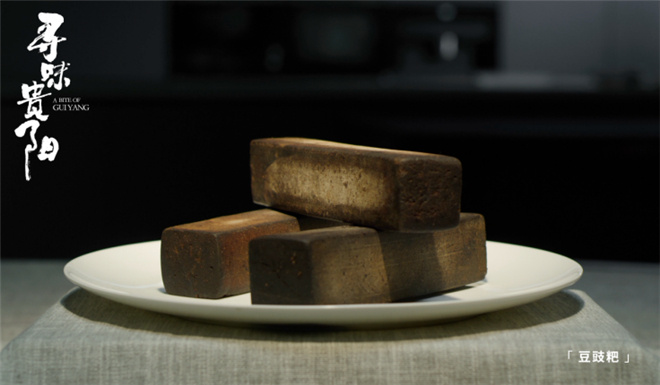
Local people can not only flexibly use water resources to create delicious food, but also discover more flavor secrets in the process of fighting against humidity, all of which have a subtle influence on Guiyang people’s taste preferences and lifestyle. With the help of the unique local microbial flora, fresh soybeans were fermented into local lobster sauce, which was similar to the Japanese national food natto. However, Guiyang people gave it more room for deduction, and lobster sauce continued to ferment for six months, forming a bean paste-like lobster sauce cake. The complex flavor precipitated over time, bringing more outstanding magical taste. These foods made by different processes such as fermentation are even more stunned by the audience and exclaim that the food after Nirvana’s rebirth is still amazing.


Traditional techniques contain folk wisdom.


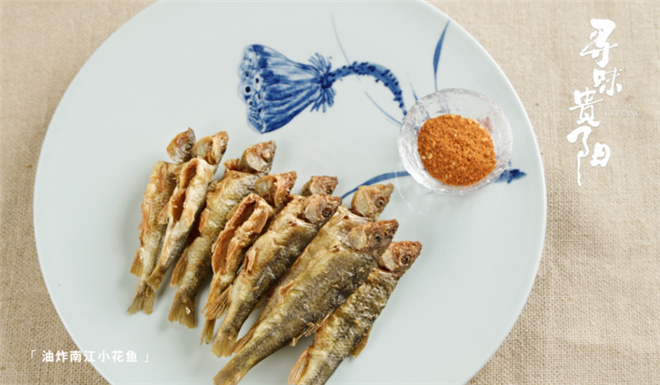
There are many rivers in Guiyang, and the annual precipitation exceeds 1000 mm. Such a region and climate have created extremely rich aquatic resources in Guiyang. Rivers pass through mountains, and after hundreds of millions of years, mysterious sinkholes and caves have been created. Cave fishing reflects the local aquatic characteristics. The water temperature is lower than 20 degrees Celsius all the year round, and the fish grows slowly, making the meat more tender and firm. Luo Bangyun, who runs a beancurd shop, uses anti-slip sandals and fishing techniques handed down from generation to generation to collect these delicious fish and shrimp as delicious dishes. Whether it is fried or steamed, or dried fish, the locals who live near the water use their ingenuity to give birth to a new flavor.


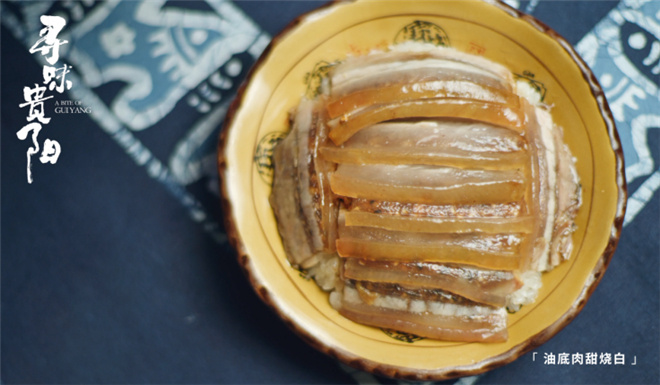
Some flavors are fresh and palatable, while others need time to brew slowly. For Wei Xing Wu, an old chef, despite the increasingly developed preservation technology, traditional techniques are more worthy of spreading. Fresh pork is sterilized by hot oil at high temperature, quickly fried into thin crispy skin, and then immersed in lard for preservation.


Relying on oil to isolate water and air, the texture and taste similar to fresh meat can be preserved for more than one year, which is the traditional oil-bottomed meat in Guiyang. Guiyang people have a unique way to preserve food, and these traditional techniques, which have been precipitated over time, are the persistence of craftsmen from generation to generation and the great wisdom of folk food.


Fire and water quenching change surprise: strange food combination collapses everyone


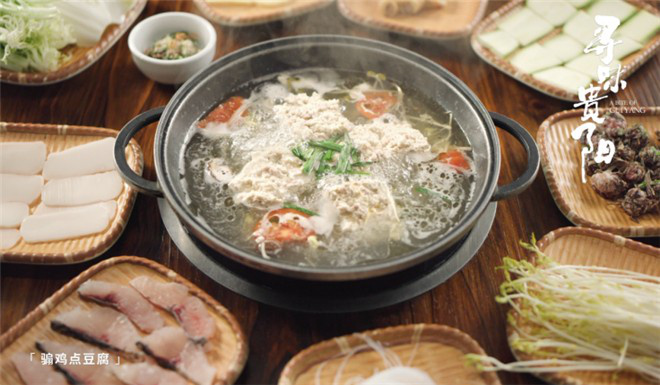
Water is unpredictable and breeds countless delicious foods. In the local area, people come and go in different periods, and a variety of soy products have evolved, which is dazzling. If the quality of tofu is good, the local well water is indispensable. The unique bean curd soaked in green rock, and the bean curd made of chicken minced with soybean milk, all kinds of strange combinations have undergone repeated quenching of water and fire, changing into surprising bean food, which makes people salivate.


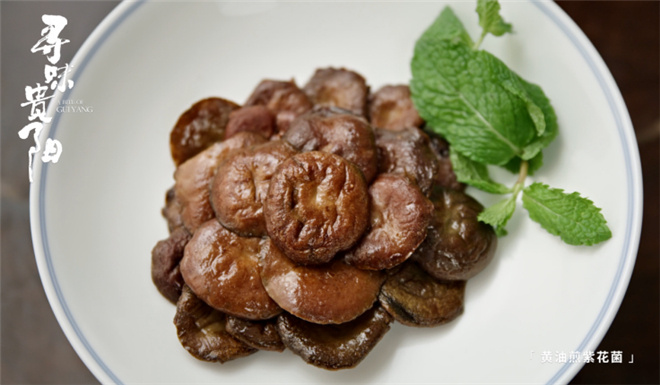
Guiyang, located at low latitude and high altitude, has a mild and humid climate, with lush trees all year round, but there are also delicious foods that only appear briefly in autumn — — Purple fungus. Whether cooked alone or with other ingredients, its fragrant and sweet taste has attracted many people. Some viewers lamented: "This short but wonderful existence, just like our life, we should learn to enjoy the happiness of the moment even though we keep walking."


Fire and water blend to light the southwest: Guiyang people understand the hot pot.


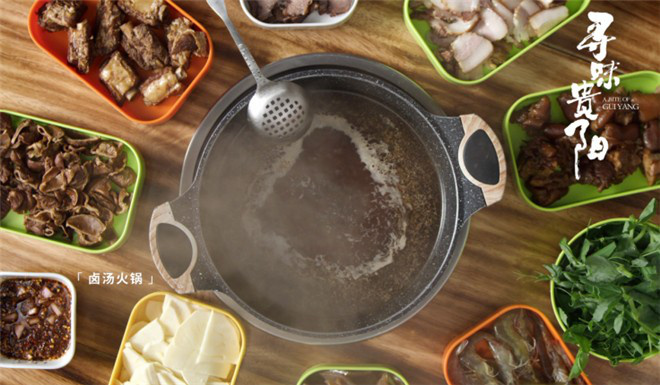
As the city with the highest frequency of enjoying hot pot per capita in China, hot pot accounts for half of Guiyang’s diet. In the food logic of Guiyang people, you can’t cook hot pot without ingredients, and there is no single hot pot item that can dominate here. With the broadcast of "Looking for Guiyang", netizens and viewers have also exposed the hot pot food here, laughing that "Guiyang people really understand the hot pot!"


According to statistics, there are new hot pot categories in Guiyang every year. For Guiyang people, whether it’s a pot with rich taste of bittern soup or a pot with sweet and smooth beans and rice, it’s an all-inclusive flavor and a bond to maintain the world. The unique taste of Guiyang is also passed down from generation to generation through this water bond in this ancient food custom.


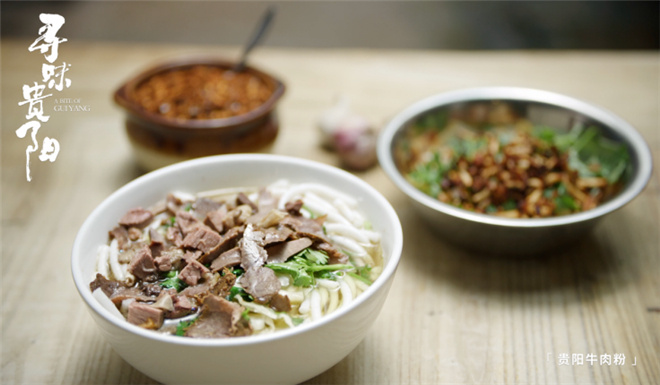
The program group also said: "In addition to hot pot, there are too many delicious foods here, all with local characteristics. Like delicious and heavy beef soup, elastic and tough cowhide and smooth sour powder, it is a perfect combination. These delicious foods with the smell of Guiyang fireworks carry the memories and thoughts of Guiyang people, as well as the soul comfort of thinking about the source of food. I hope that the audience can experience those’ subtleties’ that cannot be copied in "Looking for Guiyang" and find their own good memories. "


Jiangsu centenarians recalled eight "small soldiers" at home to celebrate Bayi.

  On July 29th, a white-haired old man and his family sat around a table in the study room of Lianyungang Retirement Center for Retired Cadres in Jiangsu Military Region, solemn and pious. There is a white cake on the red wooden table in front of us, and the bright party flag and the number "92" painted on the cake show the unusual significance of this day.

  The old man’s name is Zhang Kejing. He is 100 years old. He is an old soldier. This year, in order to celebrate the upcoming 92nd Army Day, he gathered all the children who had joined the army and exercised all over the country to spend a special "birthday" with them. (Correspondent Dong Hongwang, Fan Ting Zi Niu journalist Zhang Lingfei)

  The 92nd Army Day

  The younger generation rushed back from all over the country to celebrate.

  Zhang Ke, who respects the elderly, was born in Bazhou, Hebei Province in April 1919. He joined the army in February 1939 and joined the party in 1942. In the 1960s, the old man came to Lianyungang with the army to settle down. He and his wife participated in War of Resistance against Japanese Aggression, the War of Liberation and the War to Resist US Aggression and Aid Korea, and dozens of military medals on his chest witnessed his glorious years. In 2014, his wife died unfortunately due to illness, and the elderly’s daily life was taken care of by their children in turn.

  For the elderly people in Zhang Ke, the annual August 1st Army Day is a must. "Before the coming of the Army Day this year, my father wondered if he could call all his children to Lianyungang to celebrate this special festival with him." Zhang Lijun, the fifth son of Zhang Kejing, said.

  The children of the old man came from all directions immediately after receiving the notice. "The elder sister is from Weihai, the eldest brother is from Qingdao, the second brother is from Xi ‘an, the third brother is from Suzhou, and the fourth brother, my sixth brother and I are all in Lianyungang. Let’s celebrate the 92nd Army Day with the old man."

  Zhang Xiaoxia, the eldest daughter of Zhang Ke, told Zi Niu news reporter that there are seven brothers and sisters, she is the eldest daughter and the eldest, Zhang Guoqing is her eldest brother, Zhang Zhengping is her second brother, Zhang Haibin is her third brother, Zhang Yuejin is her fourth brother, Zhang Lijun is her fifth brother, and Zhang Mingming is her sixth brother. From 1965 to 1978, seven sisters were sent to the army for exercise by their parents. "My grandfather, grandfather and uncle are all the Eighth Route Army. My parents plus our brothers and sisters, my wife and the younger generation have been in the army for more than a dozen people." Zhang Xiaoxia said proudly. The emergency back, there are seven of their brothers and sisters, and granddaughter (Zhang Guoqing’s daughter) Zhang Na.

  At 9: 30 in the morning, Zi Niu news reporter saw in the study room of the cadre’s rest home that a red banner was hung on one wall of the room: "Three generations of soldiers greet Bayi", and two tables were set in front of the banner. There was a big cake on the table, with a bright red flag painted on it and the number "92" below the red flag. Later, under the care of their children, the elderly people in Zhang Ke came to the study room to celebrate the August 1st Army Day in advance.
  Although the old man’s language expression is not so clear, facing the camera, Zhang Ke smiled respectfully and told everyone slowly: "Our good life is given by the party! Long live communist party! Warmly congratulate the 92nd Army Day. "

  Party age of 77 years

  Both husband and wife were inspired by Bethune to study medicine to save lives.

  The Zi Niu news reporter learned that after Zhang Kejing joined the army in 1939, he was sent to Bethune School in Shanxi-Chahar-Hebei Military Region for study in the following year, and worked in the Shanxi-Chahar-Hebei Military Region after graduation. Zhang Kejing joined the Party in 1942.

  What makes the elderly people in Zhang Ke proud is that his wife Liu Yan once worked with international friend Bethune, and he was once the first student of Bethune School. Influenced by Bethune’s spirit, the couple decided to learn medicine well and save more people. During the war years, their main job was to fight in the front line of rescue with gunfire, and countless comrades-in-arms regained their lives because of them.

  "Yan Liu and I have been together for 70 years in the Spring and Autumn Period. Under the excellent situation of reform and opening up, our life has become sweeter. Whenever I recall that experience, I feel very emotional in my heart. " Zhang Ke respect for the elderly wrote in his memoirs.

  Zhang Xiaoxia told Zi Niu news reporter that her mother Yan Liu (formerly known as Li Xiu) joined the army with her grandfather in 1938, because her grandfather was an administrator in the rear hospital of Jizhong Military Region, and her 13-year-old mother studied in the nursing training team of the military hospital after joining the army. In 1939, her mother met Bethune, and once Bethune said in a speech to medical staff, "It is necessary to rescue the wounded in the battlefield quickly. If the wounded are bandaged one minute earlier, the wounded will lose one minute of blood and their lives may be saved." Bethune’s speech has always been engraved on his mother’s mind. My mother worked hard to save the wounded in many battles later, and was not afraid of hardship and fatigue. She was repeatedly rated as a model worker.

  70 years in the same boat

  Love in the era of war

  When it comes to his wife Yan Liu, the dignified expression of Zhang Ke’s respect for the elderly reveals a smile. He wrote in his memoirs: "In 1943, after I returned to the Jizhong Plain with the troops of the Ninth Division of Jizhong, I developed two abscesses because of frequent fighting, hard life and poor sanitary conditions. At that time, Li Xiu (later renamed Yan Liu), a female nurse who changed my dressing, was only seventeen or eighteen years old, with fine features, graceful figure and generous manners. Although she didn’t talk to each other when changing my dressing, I was deeply impressed by her thoughtful service. Since then, her figure has often emerged in my mind. "

  After the victory of the Anti-Japanese War in 1945, Zhang Ke Jing and Yan Liu were introduced to establish a love relationship. In early 1946, they were married in Xigugang Village, Xidong, Tianjin.

  With the needs of the war, the Jizhong Military Region established an independent field brigade, and Zhang Kejing was transferred to the health center directly under the brigade, and Yan Liu was also transferred to the institute. It’s a long way to March, sometimes marching hundreds of miles in one night. At that time, Yan Liu was pregnant with their first child. It had been four or five months, and her legs were swollen, but she still walked quickly and never left behind. In the later days, the couple fought with the army in the south and the north, sharing weal and woe and fighting side by side.

  After the liberation of the whole country, on July 1, 1951, they crossed the Yalu River together to participate in the War to Resist US Aggression and Aid Korea. In order to rescue the wounded on the Korean battlefield, the couple were not afraid of hardship or fatigue. Sometimes they took care of more than 20 wounded people by themselves, carried a stretcher through the enemy blockade and gave their lives to the party and the people until the war was won.

  "Today’s victory is hard-won. I hope that young people will not forget history and the spirit of hard struggle because they live in peacetime." As he spoke, the old man’s voice choked: "I am very lucky, so many comrades have not seen the victory."

  Self-improvement all his life

  Wenchuan earthquake took the lead in donating money, living a simple life and having a strict family style.

  After retiring, Zhang Kejing and his wife served as the director of the management committee and the old committee for 30 years. They were respected and respected, and each family had a family shortage, so the couple came forward to help solve it. Almost all the activities of the retirement home were planned and organized by the couple.

  "After the Wenchuan earthquake, the old man took the lead in donating 2,000 yuan, and together with his wife, he sent a special party fee of 6,000 yuan, which made a good start for other comrades." Chen Yan, director of the retired cadres’ office, said, "In fact, for so many years, the elderly have been donating money to those in need every year, but they never like to leave their names."

  "Parents are self-disciplined, and our education is very strict. At the annual family gathering, my father should read his own family style and family instructions before the younger generation, and give everyone a copy of his family style written by himself. Influenced by them, our brothers and sisters are very friendly, respect and love each other, and always have a grateful heart. " Zhang Kejing’s son Zhang Lijun said.

  Write down with deep affection: "centenary military salute to the party"

  Recently, among the elderly, Zi Niu journalists saw a corner of the study full of various honorary certificates of the elderly, while the old man’s desk was full of books and pen and ink. The old man said that he wanted to present gifts to the party and the people’s army in a special way. After that, the old man picked up a writing brush, dipped it in ink, and wrote the seven characters "Centennial military salute to the party" on the paper. Calligraphy is vigorous and powerful, and it has a good demeanor.

  回顾战争年代的经历,完全可以用“九死一生”来形容。而这个戎马大半生的军人,却在离休后做出了一个“文绉绉”的决定:每天练习毛笔字,把传统文化传承下去。

  他的儿子张立军经常感慨:“开始以为父亲这项爱好只是突发奇想,没想到他坚持这项兴趣爱好近40年了,直到100岁热情仍不见消退,每天都坚持练两小时。”除了练字,老人的国画也是炉火纯青,一幅《芦雁飞鸣食宿图》惟妙惟肖,十分生动。而且,老人都是自学成才的。

  “张老爱读书练字,特别喜欢用小楷抄写党的政策方针,装订成册后送给我们这些年轻人阅读。练字除了能传承传统文化,最主要的是能从中感悟到人生哲理,让自己更加豁达开朗,这也许是老人长寿的秘诀吧。”干休所干事陈岩说。

  知道老人爱书法,海州诗词楹联协会会长朱成安携书法家向张克敬老人送来了楹联书法作品,上面写道:“克敌雄风,今虽百岁军威耀;敬身本色,永是初心国梦追!”这副楹联书法作品,正是老人的真实写照。

Focus Interview: Rebuilding the "Golden Passage"

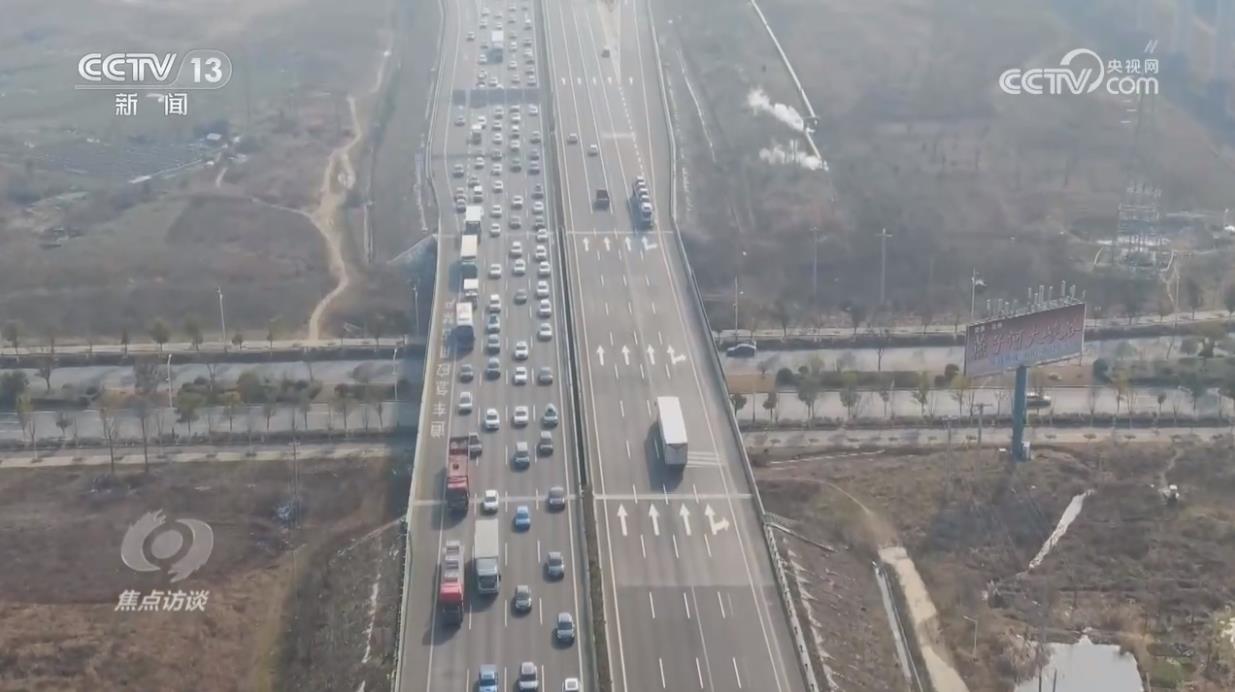
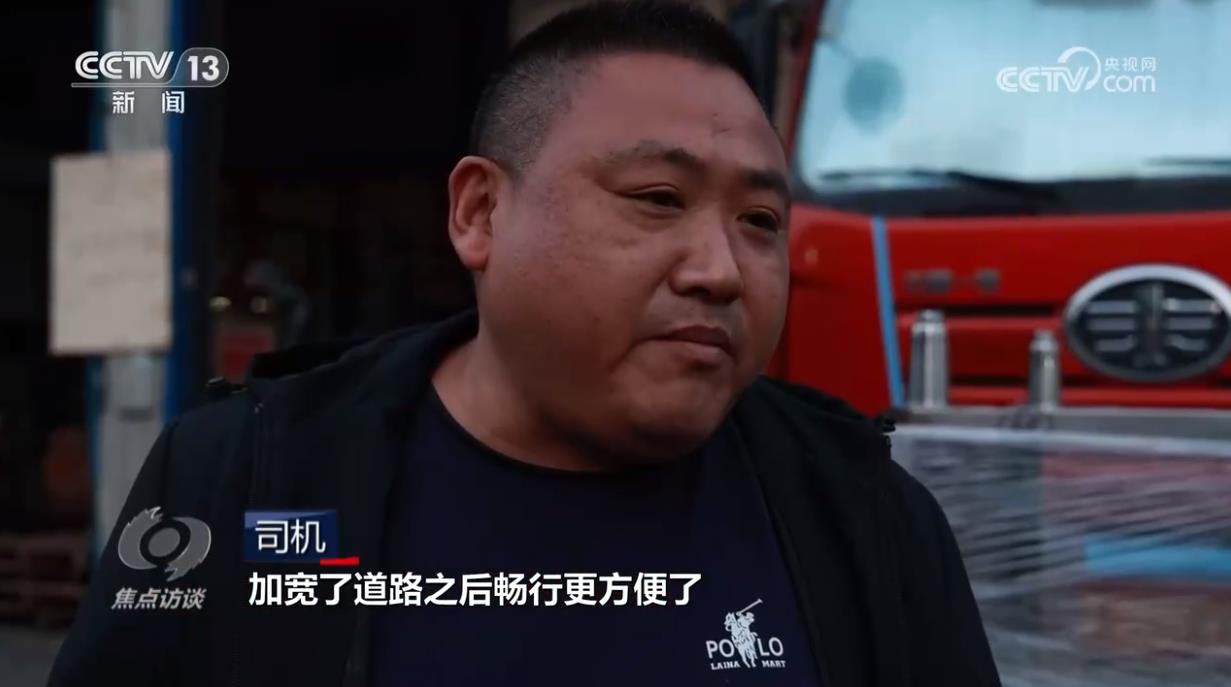
  CCTV News (Focus Interview): Taking the expressway has become one of the main ways for everyone to travel. 307.07 million vehicles, this figure is the cumulative traffic volume of the national expressway network in the past May Day holiday, with an average of more than 61 million vehicles driving on the expressway every day. This figure is nearly 20% higher than the May Day holiday in 2019 before the epidemic. At present, in view of the huge demand and road pressure, there are about 5,000 kilometers of expressway sections in the national expressway network, including the Hubei section of Beijing-Hong Kong-Macao Expressway, which has been in operation for more than 20 years.

  The upgrading and reconstruction project of Hanjiang Bridge was completed five months ahead of schedule. Before the May Day holiday, the Hubei section of Beijing-Hong Kong-Macao Expressway resumed truck traffic. In just a few days, the traffic volume rose rapidly. Throughout the May Day holiday, Beijing, Hong Kong and Macao — — The daily traffic volume of this busiest expressway in Hubei exceeds 260,000 vehicles, and nearly 70% of them are logistics freight vehicles from south to north.

  Wang Bo, instructor of the 2nd Squadron of Caidian Brigade, No.1 Team of Hubei High Police Corps: Dongxihu District of Wuhan City is equivalent to a transit point of national logistics. It is distributed from Dongxihu Lake of Wuhan City first, and then radiated to the periphery of the country, and began to deliver goods. We understand that the majority of freight car drivers are willing to take the old Beijing-Zhuhai Expressway. The so-called Beijing-Zhuhai Expressway is now called Beijing-Hong Kong-Macao Expressway, and they are willing to take this expressway.

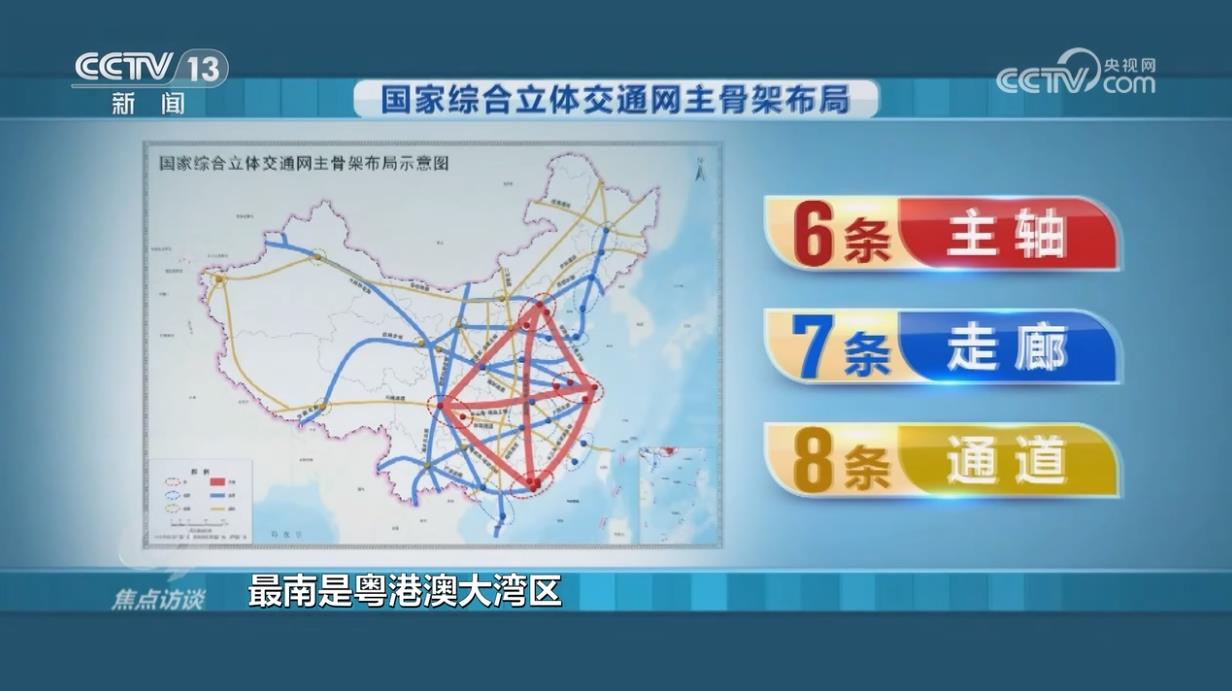
  It starts in Beijing, with a total length of 2,285 kilometers, and passes through the North China Plain, Jianghan Plain, Central Hunan Plain, Nanling Plain and Pearl River Delta Plain, and finally reaches the ports of Hong Kong and Macao through eight provinces and cities such as Beijing, Hebei, Henan, Hubei, Hunan and Guangdong. The Beijing-Hong Kong-Macao Expressway, which was built in the 1980s, is one of the earliest traffic arteries running through the north and south in China, and it is also the "national comprehensive three-dimensional traffic network in 2035".

  Bin Fan, Deputy Director of Engineering Management Department of Highway Bureau of Ministry of Transport: The most impressive figure of the national comprehensive three-dimensional traffic network is a diamond-shaped map, which has four poles, namely, the northernmost part of Beijing-Tianjin-Hebei, the southernmost part of Guangdong-Hong Kong-Macao Greater Bay Area, the Yangtze River Delta in the east and Chengdu-Chongqing in the west. In the middle of these four poles, a diamond-shaped six-axis is constructed, and Beijing-Hong Kong-Macao is just within the main axis in the north-south direction. The Beijing-Hong Kong-Macao Expressway is the most important north-south passage in China.

  After more than 20 years of operation, the Beijing-Hong Kong-Macao Expressway has been extended all the way, supporting the coordinated development of Beijing-Tianjin-Hebei, the implementation of the Yangtze River Economic Belt and Guangdong-Hong Kong-Macao Greater Bay Area’s national strategy, and also driving and witnessing the rapid development of the areas along the route. Wuhan is the epitome of it. The thoroughfare of nine provinces and the Beijing-Hong Kong-Macao Expressway have made it one of the most developed cities in Central China in 20 years. Wuhan Dongxihu District, which is close to Beijing-Hong Kong-Macao Expressway, has become the most extensive logistics transit and distribution center in Central China.

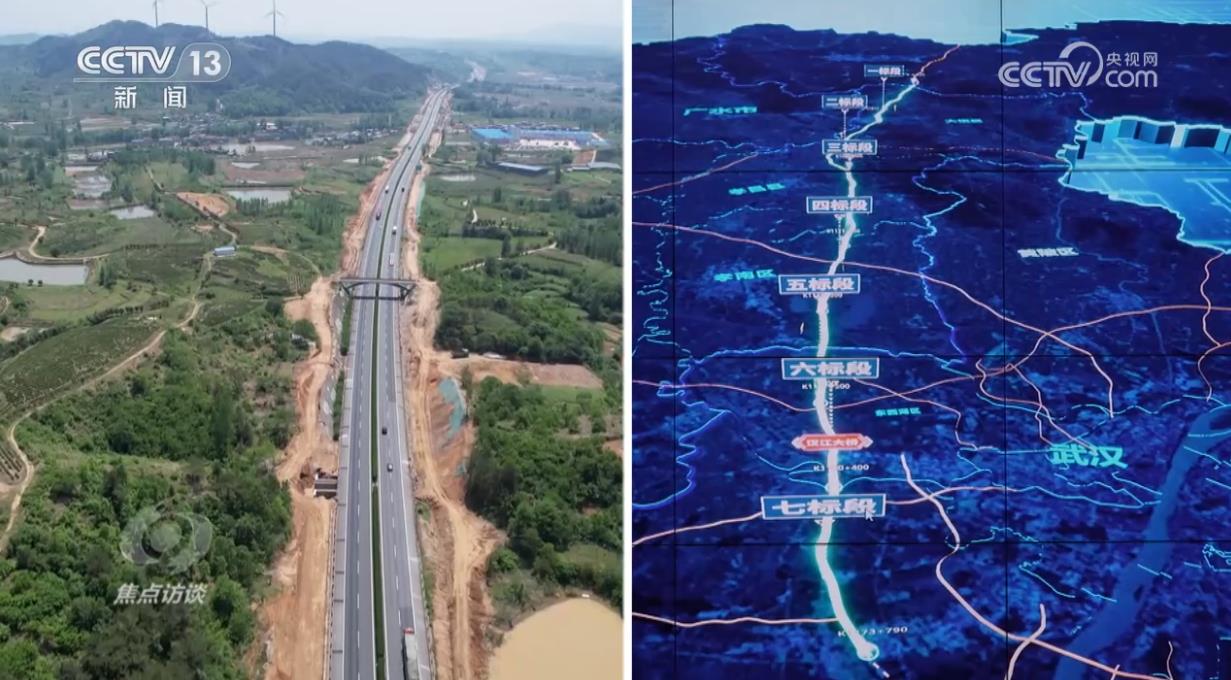
  The Hubei section of Beijing-Hong Kong-Macao Expressway has a total length of more than 290 kilometers. When construction started in 1998, it was the first expressway with a design speed of 120 kilometers per hour in Hubei Province. The rapid economic growth has brought about a rapid increase in passenger and freight traffic, and the Hubei section of the Beijing-Hong Kong-Macao Expressway has long been unable to meet the demand. In China’s 177,000-kilometer expressway network, some expressways built earlier are facing similar problems more or less.
  Bin Fan: Especially in the central and eastern regions, some economically developed areas, the capacity of highways can no longer fully meet the travel needs of local people and the corresponding needs of passenger and freight transport. After the aorta is opened, the microcirculation is unblocked, and the aorta is opened, the vitality of the whole economy will be instantly driven.

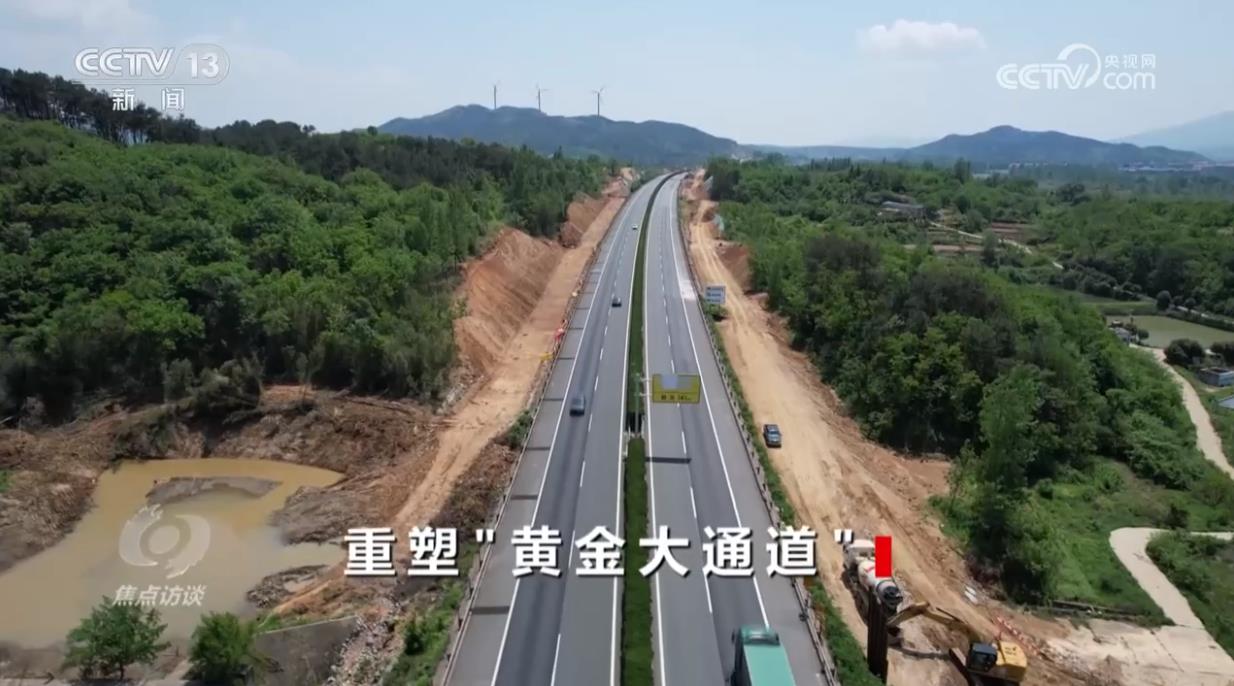
  After the reconstruction and expansion projects of Hebei and Henan sections of Beijing-Hong Kong-Macao Expressway were completed successively, the reconstruction and expansion project of the northern section of Hubei Province was officially launched. Hubei’s plan is to upgrade and expand the original two-way four-lane old road into a two-way eight-lane new road by widening subgrade and bridge. 

  It doesn’t sound complicated. For Hubei, there are problems they must face. One of the challenges is that the whole reconstruction and expansion project must be carried out under the condition of ensuring the normal and safe passage of the whole road. Because the Beijing-Hong Kong-Macao Expressway is the north-south aorta, it cannot be cut off. This is the first time for Hubei.
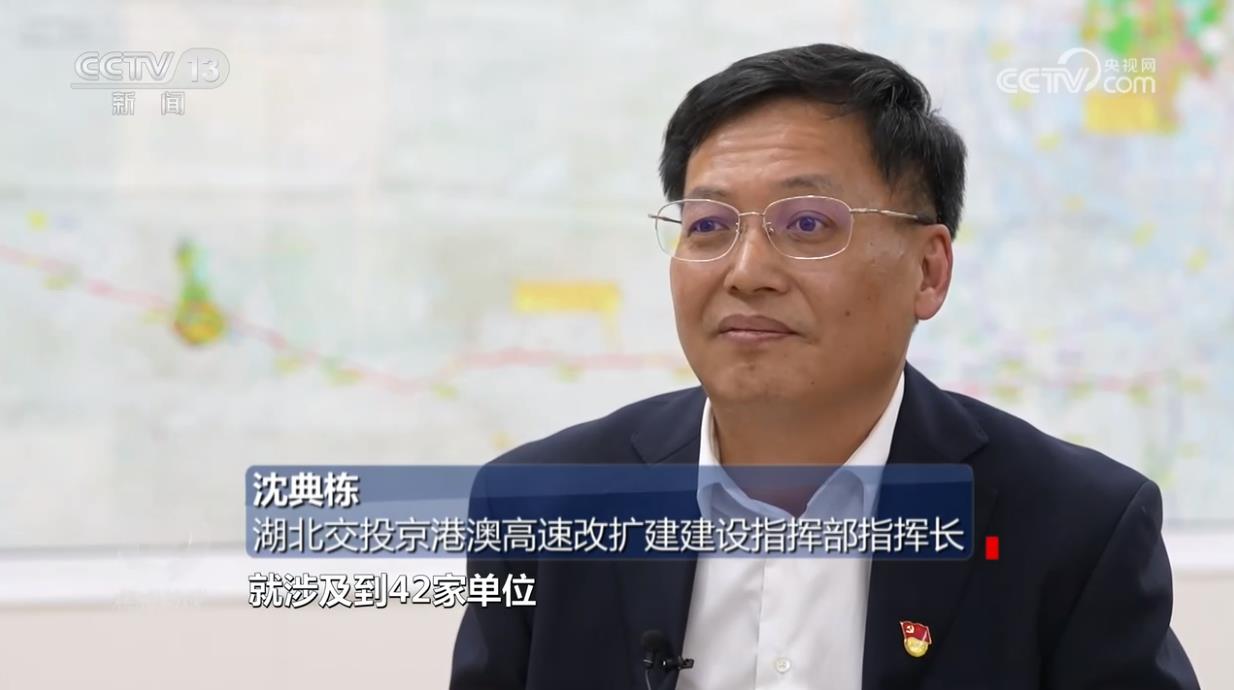
  Shen Diandong, commander of the reconstruction and expansion headquarters of Jiaotou Beijing-Hong Kong-Macao Expressway in Hubei Province: Our first multi-party meeting involved 42 units, and it was difficult to coordinate. The 42 units coordinated and acted in unison. This difficulty can be imagined.
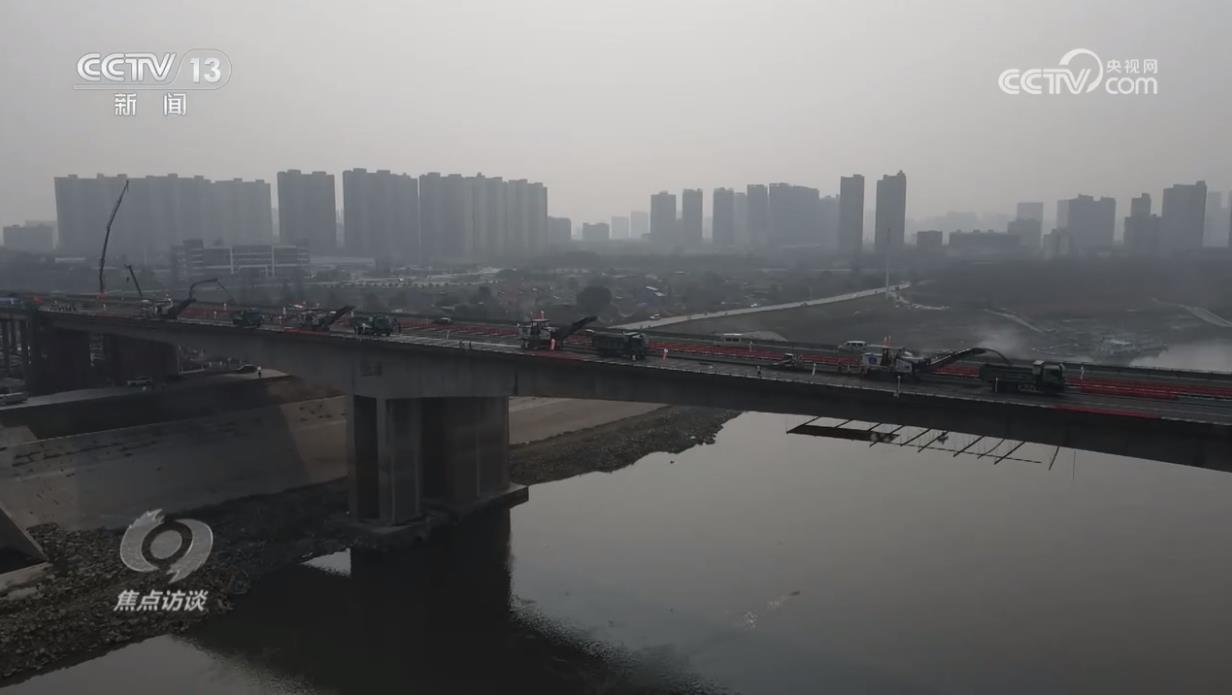
  The Hubei section of Beijing-Hong Kong Expressway is connected with many highways and railways, and dozens of related units need coordination. This is a test of the coordination of local departments. Two months ago, the reinforcement and upgrading of the Hanjiang Bridge on the Beijing-Hong Kong-Macao Expressway needed to be completed under the condition that half of the bridge deck was kept open. With the cooperation of traffic police, road administration, operating units and construction parties, the task of traffic guidance and reform was successfully and safely completed.

  Sean, Captain of the 3rd Brigade of Beijing-Zhuhai Detachment of Hubei Traffic Expressway: This reconstruction and expansion is the first time in Hubei Province to try to construct while opening to traffic, including management experience and pressure from the construction unit, which we have never seen before. When we first started construction, we said that we would go all out to support and unconditionally choose to complete the task with good quality and quantity.

  On the Hanjiang Bridge, half of the vehicles on the bridge deck pass normally in both directions, and the other half are under construction, which is rare in previous expressway construction. On the one hand, construction, on the other hand, freight and passenger vehicles whizzed past, which became a unique landscape in the reconstruction and expansion project of the northern section of Hubei Province of Beijing-Hong Kong-Macao Expressway.

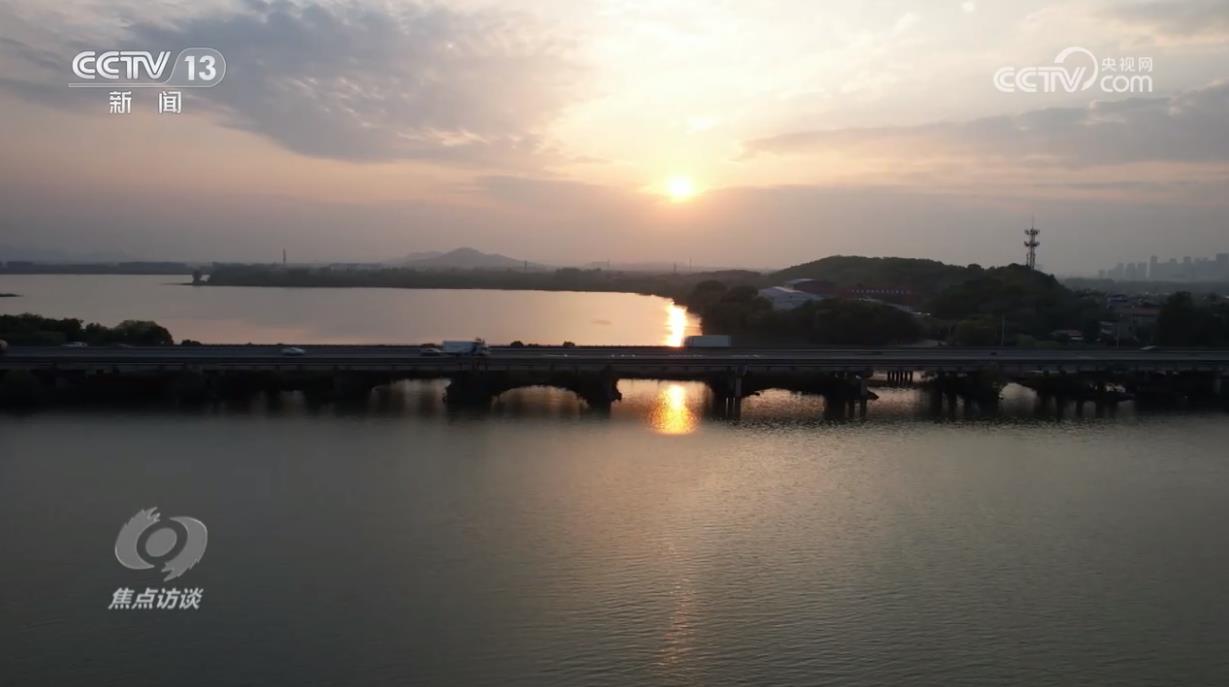
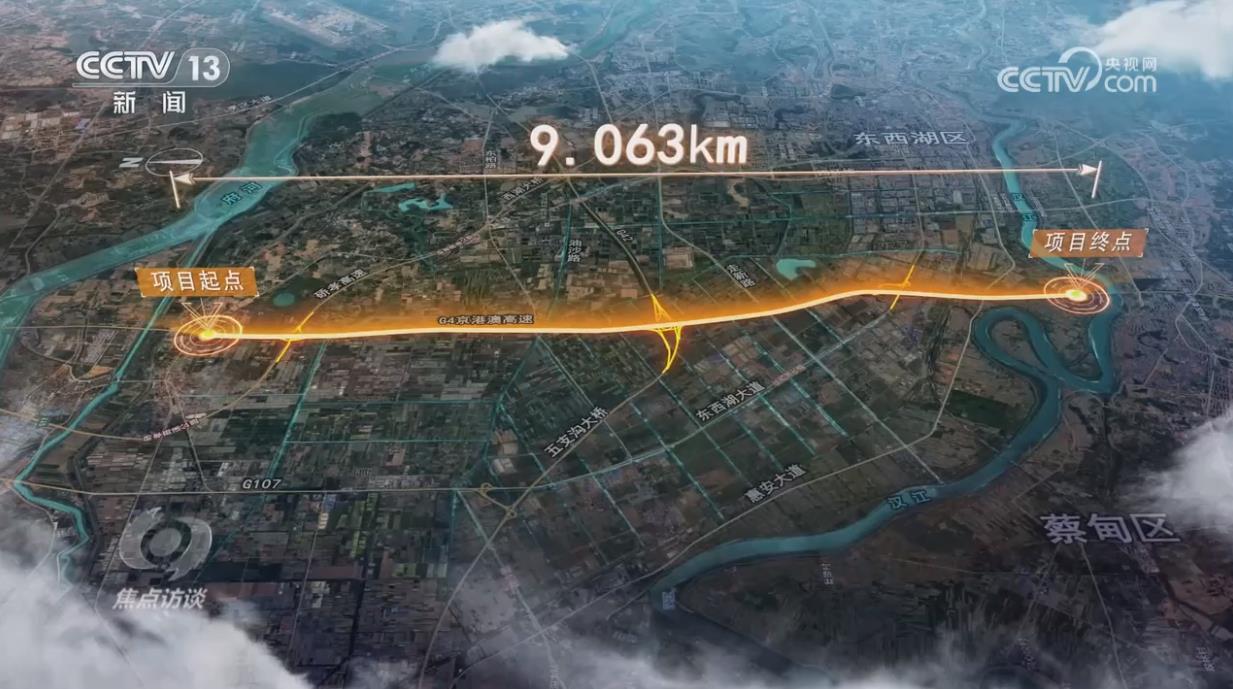
  Hubei, where great rivers flow, is a province of thousands of lakes. The Beijing-Hong Kong-Macao Expressway passes through rivers, lakes and many wetlands here. These areas have soft soil and high water content. The existing highway subgrade has been stable since it was opened to traffic for more than 20 years. However, the settlement of the widened new subgrade needs to be controlled to avoid potential safety hazards, which is another difficult problem in the reconstruction and expansion of Hubei section of Beijing-Hong Kong-Macao Expressway. They need to find local solutions. In the reconstruction and expansion section of East and West Lake of Beijing-Hong Kong-Macao Expressway, precast piles with an average length of 40 meters are being hammered into soft soil one by one.

  Liu Baiping, Director of Wuhan Branch of the Beijing-Hong Kong-Macao Expressway Reconstruction and Expansion Headquarters in Jiaotou, Hubei Province: The technology of pre-cast piles is widely used in the building system, because the scope of building is relatively limited, but the highway is linear and occupies a wide range. The reason why we consider piling in this place is that the soft soil below is very thick, ranging from 10 to 20 meters thick to 40 to 50 meters thick.

  Under the 9-kilometer-long pavement, precast piles will be densely covered, and the new road will be built on the subgrade reinforced by precast piles. This is also the first attempt in Hubei.

  Liu Baiping: There is also a hat on the pile, which is equivalent to a stool. There are legs below, and a hat is worn on one leg. Most of the area is mainly stressed on the pile, forming a composite subgrade.

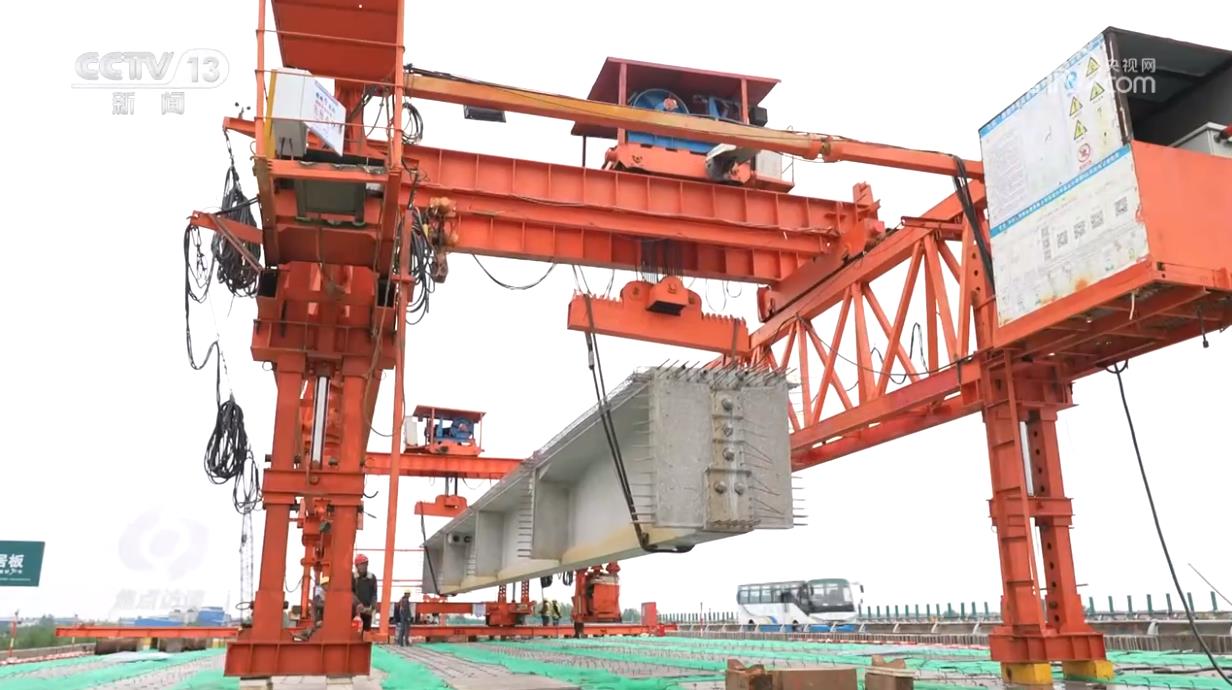
  In addition to the treatment of soft soil subgrade, there are many attempts to adapt to local conditions in the process of reconstruction and expansion. In the choice of bridge width, Hanjiang Bridge is a newly built twin-tower cable-stayed bridge in parallel with it, while Fulunhe Bridge is a newly built pile-column assembled bridge like building blocks in parallel with the old bridge.

  It is precisely because one needs to meet the navigation requirements of the Han River, and the other can save more time and construction cost, including the new use of construction waste, such as the waste asphalt mixture generated when milling and planing the road surface, which will be collected and reused. These practices are accumulating experience for more highway reconstruction and expansion in the future.

  Bin Fan: As far as we know, the total mileage of the expressway reconstruction and expansion project under implementation has exceeded 5,000 kilometers. The reconstruction and expansion will be carried out immediately, including the Leiyang-Yizhang section of Hunan Province, including the northern section of Beijing-Zhuhai, which is the northern section of Guangdong Province, including the Beijing-Hong Kong-Macao Expressway. The national expressway aorta has been gradually opened, especially in promoting regional coordination and high-quality development, which has played a more obvious role.

  In Hubei, the builders of the reconstruction and expansion of the Beijing-Hong Kong-Macao Expressway are still making a brand-new attempt. In the precast beam yard of Fulun River Bridge, the birth of each beam, from steel processing, concrete mixing, pouring and demoulding to steam curing of this beam before leaving the factory, has achieved digital control of the whole process. Before the appearance, each beam will be affixed with a QR code that belongs only to it. Like an ID card, it records all the information about this beam. And these information will also enter the building information model of Hubei section of Beijing-Hong Kong-Macao Expressway in the background. In reality, at the same time of reconstruction and expansion, a digital expressway is also being built simultaneously. This represents one of the most advanced management methods of expressway construction today.

  After driving the rapid development of the areas along the route for more than 20 years, it is a new vision of the old expressway of Beijing, Hong Kong and Macao to help China’s economy develop with high quality in the new era. Before the May Day holiday, Shen Diandong, commander of the reconstruction and expansion of the Beijing-Hong Kong-Macao Expressway in Jiaotou, Hubei Province, specially invited the commander and engineers who built the old Beijing-Zhuhai Expressway more than 20 years ago to the scene of the reconstruction and expansion. A Beijing-Hong Kong-Macao Expressway, known as the "First Road" at that time, was a monument in the hearts of a whole generation. Now, it will glow with new vitality under the feet of a new generation of road builders. In the evening, the logistics park started the busiest time of the day again. These goods, which are related to our food, clothing, housing and transportation, will run in our direction on the expressway and in Beijing, Hong Kong and Macao in the trucks of drivers.

  By the end of 2022, the total expressway scale in China has reached 177,000 kilometers, ranking first in the world. At the same time, the number of motor vehicles in China has also exceeded 400 million. In order to further open the highway aorta, it is estimated that 25 thousand kilometers of newly rebuilt expressway will be completed during the 14 th Five-Year Plan period. This will play an important role in supporting the national major strategy, improving the national comprehensive three-dimensional transportation network and promoting the high-quality development of transportation infrastructure. Smooth the aorta and help the great circulation. With the gradual progress of the project, everyone’s travel will be more convenient and smooth in the future.

Jianghuai Ruifeng M3 will go on sale on March 18th, with a pre-sale of 800,000-100,000 yuan.

  Phoenix auto news
Not long ago, Jianghuai Automobile officially announced the model picture of Ruifeng M3, and confirmed that the new car will be officially launched on March 18th this year. A few days ago, Jianghuai Automobile announced that the pre-sale price of Ruifeng M3 was 80,000-100,000 yuan.

Jianghuai Ruifeng M3 Official Map

  In terms of appearance, the new car adopts a younger design style and is more fashionable as a whole. The length/width/height of the car body are 4650/1740/1900 mm respectively, and the wheelbase is 2810 mm.

  As for the interior, the overall design of Ruifeng M3 adopts household style, with clear division of control areas and easy operation. The style of the center console of the new car is steady, but the sense of technology is very prominent. The size of the touch screen is prominent, and the function of the physical buttons below is clearly distinguished. The circular air-conditioning outlet decorated with chrome-plated metal looks very delicate, which undoubtedly enhances the sense of grade of the interior.

  The new car uses a sporty three-spoke steering wheel, and the air outlet of the barrel air conditioner is also quite sporty, which looks like a sports car. The color scheme of the interior is black on the top and light on the bottom. In addition, the central color touch-sensitive LCD screen gives Ruifeng M3 a luxury family car.

  It is worth mentioning that JAC Ruifeng M3 will provide two kinds of seats for consumers to choose from, namely, the seven-seat version adopts 2+2+3 seat layout, the second row adopts double independent seats that can move back and forth, and the second and third rows of seats can be completely disassembled.

  In terms of power, JAC Ruifeng M3 will be equipped with 2.0-liter and 1.6-liter engines to choose from. The maximum power of the 2.0L engine is 143 HP (105 kW) and the peak torque is 175 Nm. In terms of transmission, the engine is matched with a 5-speed manual transmission.

In the 21st century, there are even people called "Zhao Di" in Hong Kong’s giant dramas.

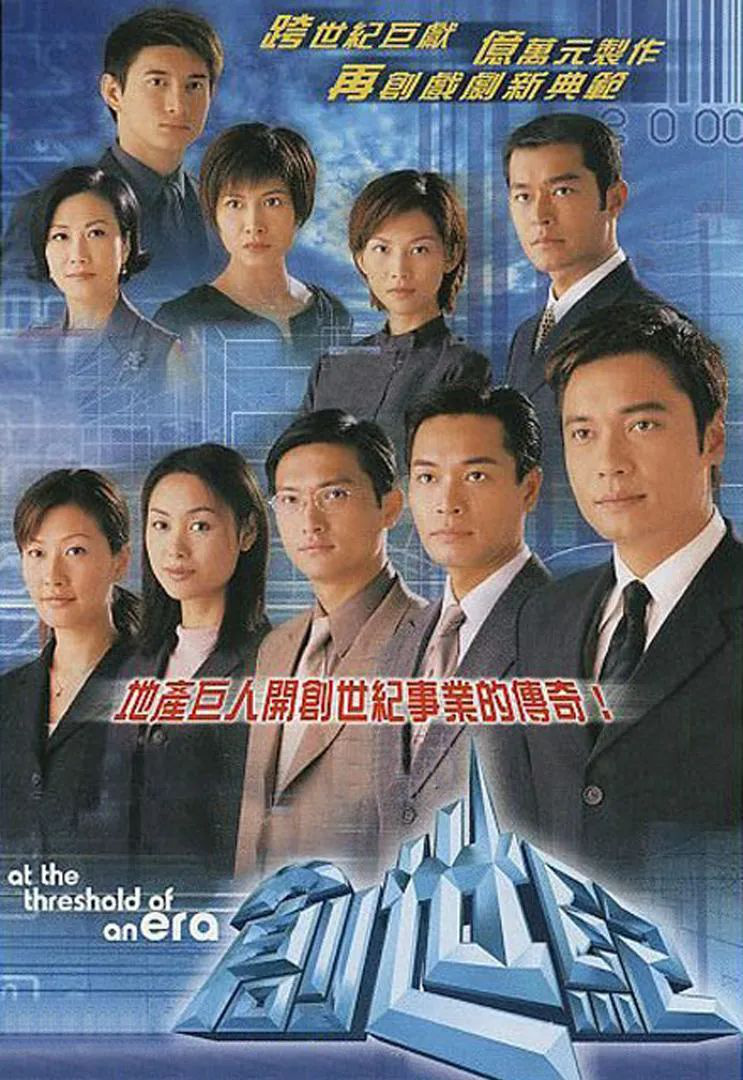
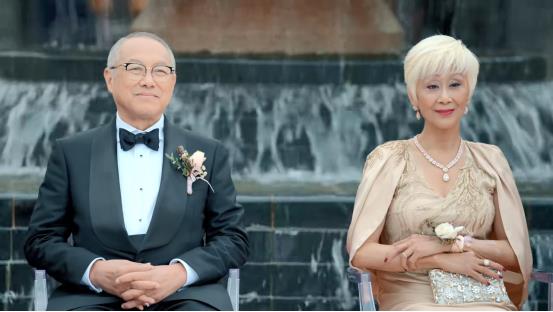
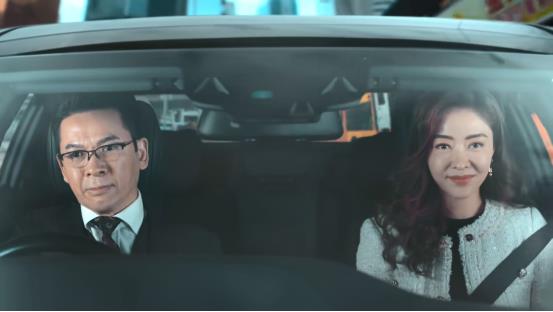
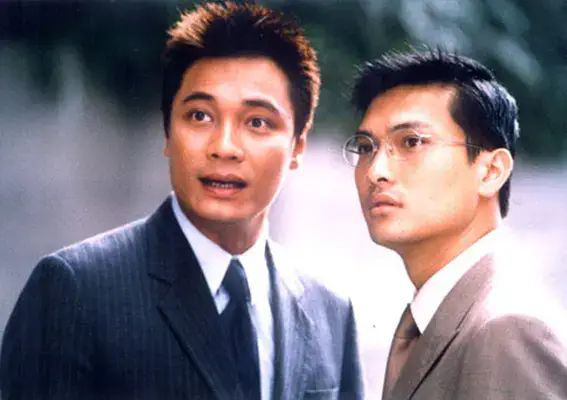
Chilam, Yang Qianyao (Yeung Yi), Li Choi Wha, Luo Ziyi (Luo Zhongqian), Xiong Dailin, Raymond, Guo Zhenghong, Chen Manna, Yu Yang, Yu An ‘an …

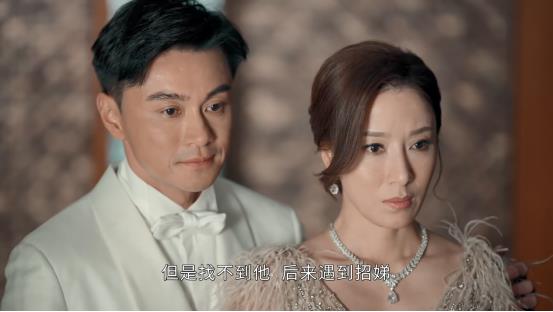
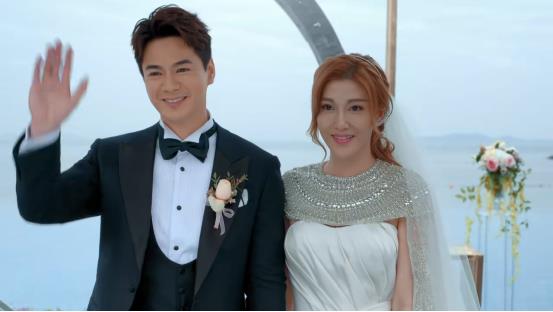
As soon as such a cast comes out, coupled with the theme of family business war with Hong Kong as the background, it is easy for the audience to regard the "Family Glory" being broadcast asTVB drama.

But it is actually a co-production of Youku and Hong Kong Huanya Film and Television Company.


Family business war drama is TVB, or the golden age of Hong Kong drama.Representative drama.

Unfortunately, "Family Glory" has no classic shadow. For old Hong Kong opera fans, "Family Glory" can only be barely eaten, and talking is better than nothing.

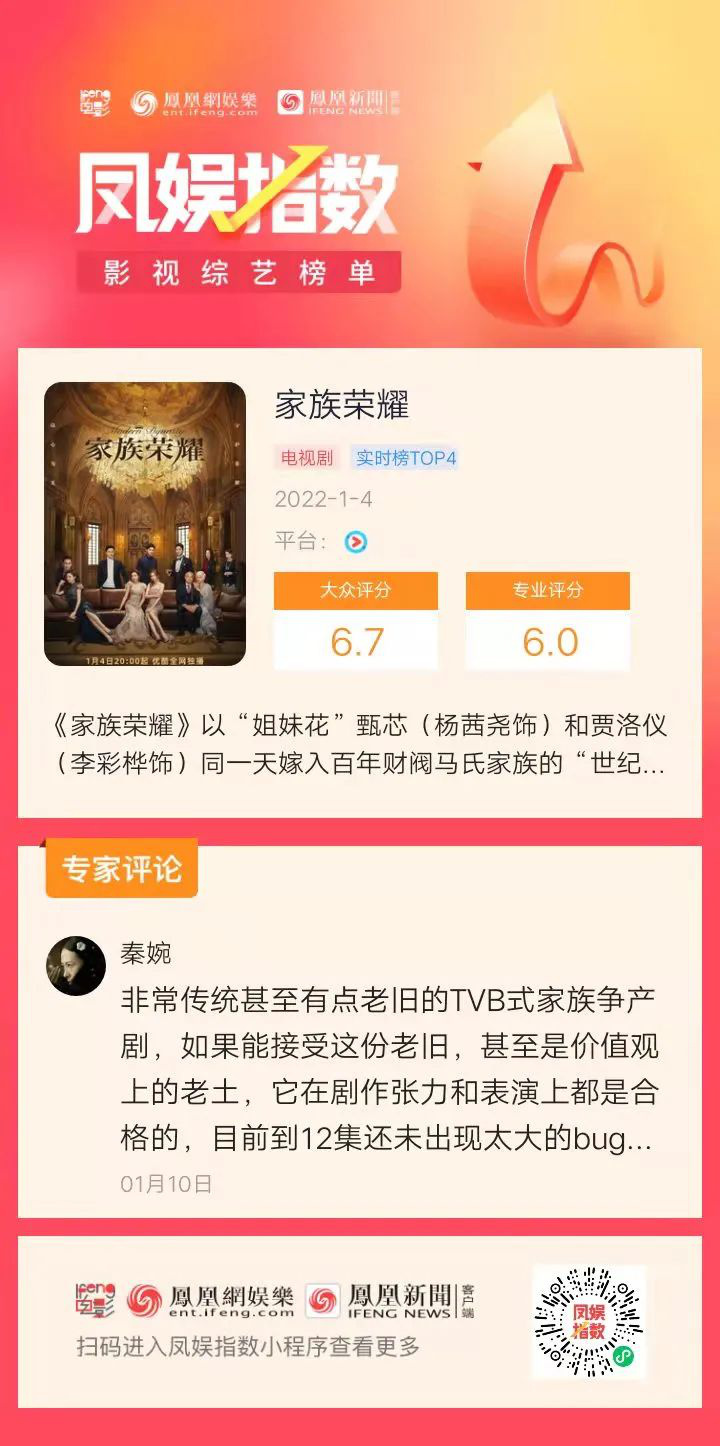
Welcome to the "Phoenix Entertainment Index-Comprehensive List of Movies" applet, search for "Family Glory" and express your opinion.

Petty "commercial war"

Family business war was once a masterpiece of Hong Kong opera.

From Family Change in the 1970s, Rogue Tycoon and Unfortunate, to Giants, Great Times, Heaven and Earth Passion, Heaven and Earth Men, Genesis in the 1990s, and even heart of greed 1 and Heart Storm 2 since the new century …

These classic family business war dramas, which combine family disputes, feuds between giants, business games and the times, are brilliant and magnificent.

With bothCuriosity, there are also strongRealistic color of the timesAlmost a broadcast is an explosion.

However, the "Heart Storm 3" broadcast in 2017, both word-of-mouth and ratings lost, also means that the theme of family business wars in Hong Kong has entered a trough. After that, it is also difficult for Hong Kong dramas to see this theme.

This time, the appearance of "Family Glory" somewhat filled the gap.

Let’s briefly clarify the drama.Family relationship and commercial war contradiction.

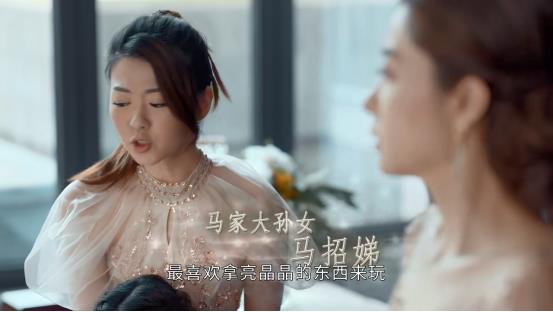
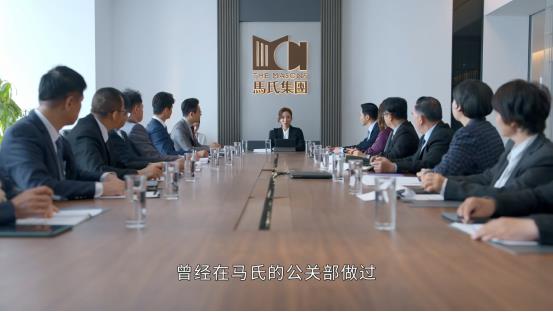
This Hong Kong super-rich man is called Ma Shihong (Yu Yang), and he has three sons.


Ma Yaozong (Guo Zhenghong), the master of the Ma family, and Ye Caiwei (Xiong Dailin), the eldest housewife.


Ma Yaozu (Raymond), the second young master, and Zhen Xin (Yang Qianyao), the second young mistress, are also the first female in the play.


Ma Yaotang (Luo Ziyi), the third young master, and Jia Luoyi (Li Choi Wha), the third young mistress, are also the second female in the play.


In addition, there is a young master, Ma Zhanhong (Chilam). You can tell from the actors that this is first hero.


The hero has two story lines:Revenge, love.

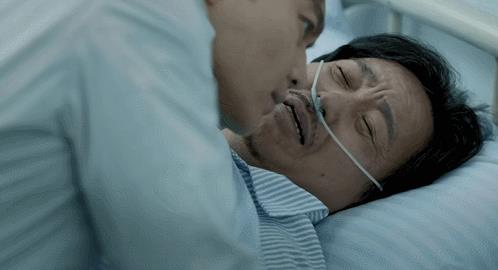
He found that his father’s death was related to Ma Shihong, and he still worked for the Mars Group on the surface, secretly investigating the truth and preparing for revenge.

At the same time, master Tang has beenHave a crush on Zhen XinHowever, he was "the first to get there" by the second young master, and he could only be a flower protector silently.

Ma’s three brothers are fighting with each other, hoping to get more from the family company.stock right.

Ma Jia San’s sister-in-law "Family Fight" was staged in the first episode."Sister-in-law wronged the parents of two younger siblings for stealing diamond bracelets."The drama.


This kind of personal relationship, though conventional, is also a "standard" for commercial war dramas, which has been tried and tested time and again.

The problem in the commercial war drama of Family Glory is:Too taken for granted, too petty.

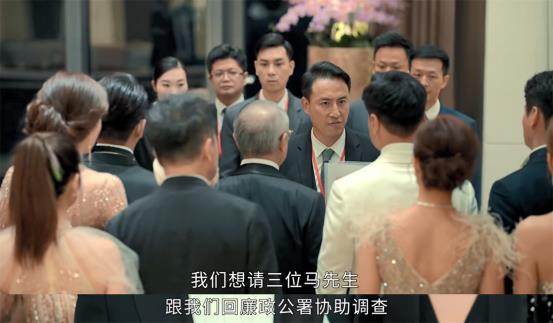
For example, at the beginning of the series, two young masters held a wedding at the same time, and as a result, ICAC came. Because of two bribery cases, three young masters were taken away to assist in the investigation.


Ma’s family is said to have both political and business people, but for this investigation,I didn’t get any news in advance.I didn’t see any relationship coordination afterwards, so I was quite law-abiding and cooperative.

Then, the second young master really went to prison "easily".

I can only say,Screenwriters have no "imagination" about the "energy" of rich families in real life.The game between officials and businessmen is also nothing exciting.

The screenwriter forcibly sent the second young master to prison in order to write the following "business war."

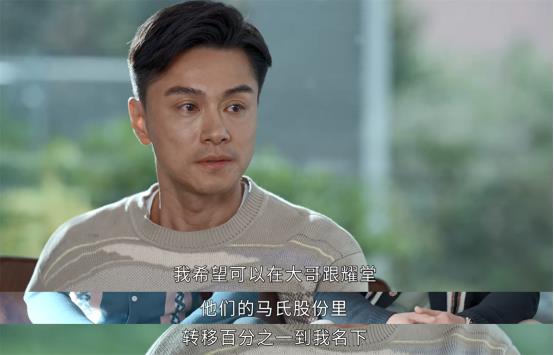
Originally, the three brothers each had 7% of the family shares, because the second young master took the blame for the eldest brother and the third brother, so the eldest brother and the third brother each gave him 1% of the shares, Ma Shihong.Very touchedThe sacrifice of the second son also gave him a 2% stake.


The family shares of the three brothers become: 6% for the eldest brother and the third brother, and 11% for the second young master, with outstanding advantages.

Such a plot is also "retarded". It seems that the second young master is plotting, but the eldest brother and the third brother are willing to "darling" the shares? Dad gave shares, which turned out to be touching?

Isn’t this a commercial war drama?Why take the route of "touching the family"?

After that, Zhen Xin also relied on the heroine aura of female No.1, and in the Ma family, which attached great importance to family rule and preferred sons to daughters, as a woman and a surname,Became the chief executive officer.


Then, Mars’ various commercial projects are only inThe lines show that they are complicated.I haven’t seen all the calculations, traps, strategies, fascinating and amazing things in the commercial struggle.

Although Chilam is expensive as first hero,But I always feel that he doesn’t have many parts.Because his revenge has no action.

More often, it just keeps flashing back: someone hinted at him before he died, and Ma Shihong designed to kill his father.


Then Ma Zhanhong was in the office, with a bitter face, reminding the audience that he was eating and drinking, and he was preparing for revenge.

In a word, the commercial battle scenes in "Glory of the Family" have been painstakingly played.Can’t pose any intellectual challenge.It doesn’t reflect Hong Kong at all.International Financial CenterCome to the color.

Family drama becomes "family ethics drama"

Before the TVB family commercial drama declined, many voices pointed out that it was because.The scene of the giants is "like a teacher"Yes.

Generally speaking, it is the dramatization of family ethics-making the struggle in the rich and powerful family into a mother-in-law, a chicken flying a dog jumping all the way, and finally a happy reunion of "family and everything" and "family should tolerate each other"

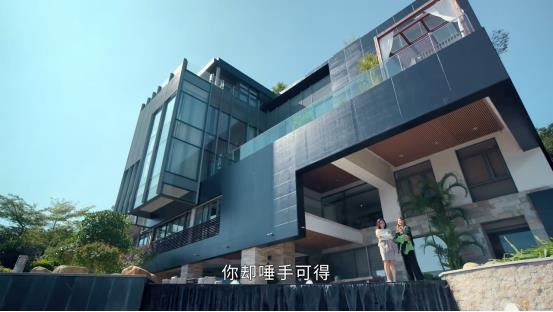
The same is true of Family Glory, which shows the life of the rich and powerful, feeling that it still stays in the feudal society.

"Feudalism" seems to be the only feature of a wealthy family.

What flies to the branches to become a phoenix, a big house and mistresses, preference for boys, expensive motherhood, cheating on women, and sisters turning against each other …

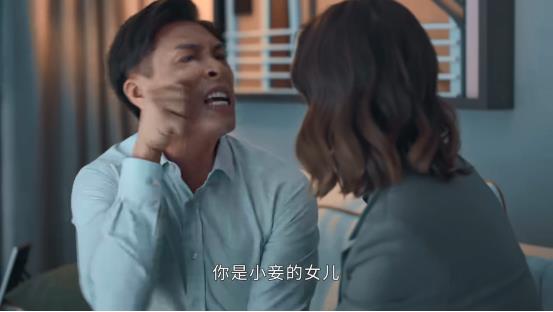
Ma Shihong, for example, has a big house, a second house and a mistress. The daughter of Fannie and Freddie has no place in the family.


Ma Shihong’s big house, with three daughters-in-law, bowed down to their ancestors, chanting in his mouth that he hoped his daughter-in-law could have a boy and open a branch for Ma’s family.


Send a polished bead to your daughter-in-law, saying that it is a bead with many children and many blessings, which can bless more boys.


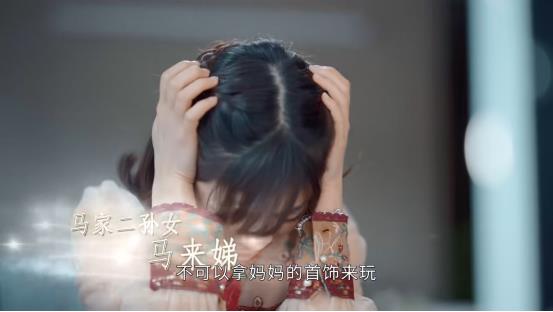
The names of Ma’s eldest granddaughter and second granddaughter areZhaodi, Laidi……

In the 21st century, the giants who are all-powerful in the financial circle will really give their girls such names that the second aunt in the village gave up?


Zhen Xin learned that her husband was in all kinds of philandering outside and was in pain, considering whether to divorce.

But she finally decided not to divorce, on the grounds that, "I did want to divorce him, but in the end, I chose to trust him, because I believe that there is a future between us. I believe that he will be a good husband, and I believe that he can be a good father. "

Then she touched her belly with a happy face and "officially announced" to her family:She is pregnant!

The implication is that children can help her tie up men.


This drama of the last century is forced to be set in the 21st century …

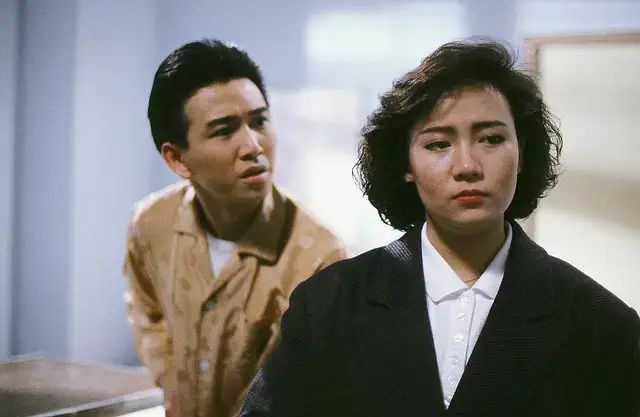
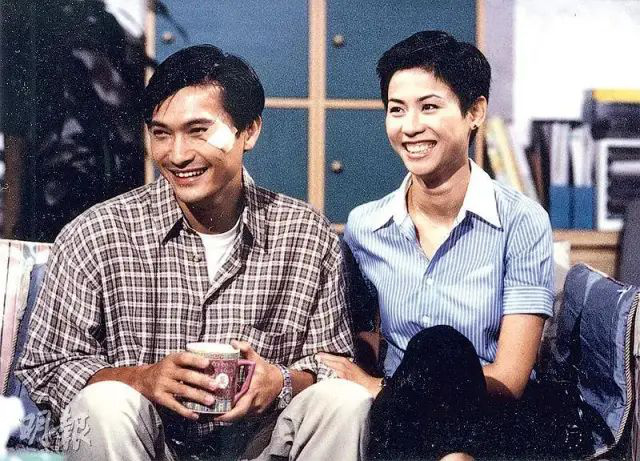
In retrospect, the previous Hong Kong family business war dramas were "feudal", but there were also many of them."anti-bone" and "anti-convention"The protagonist’s depiction can reflect the conflict between the old and the new, and see a kind of "destruction" to East Asian families.

For example, Ding Youkang in "Unforgettable Righteousness" is paranoid about fame and fortune, which is as bad as it is, but also has a kind of wantonness to destroy everything;

Zhuo Shangwen in "The Passion of Heaven and Earth" lost all his fortune and was optimistic and sophisticated.Is an adventurer only in the great era.;

Ye Rongtian and Xu Wenbiao in Genesis are all.Careerists born with the rise of Hong Kong as a city.They are greedy and innovative, bound by tradition and full of charisma.

This used to be Hong Kong"urban sense" and "modern sense"A source of.

"Family Glory" is "returning" and compromising to feudalism, and all kinds of struggle dramas can also be seen in family ethics dramas in the mainland.

And as a giant drama,Almost all the plays are shot in the interior.Either it is a fixed mansion or it is in the office, relying on dialogue between characters to promote the plot.


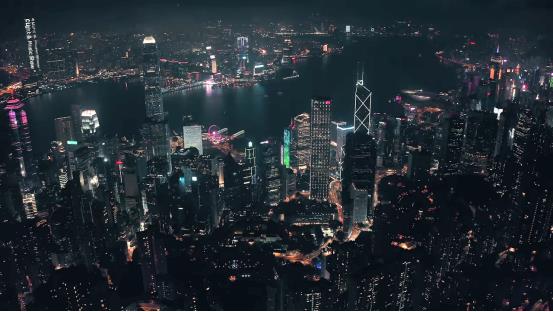
A few Hong Kong exterior scenes, such as bright night scenes and bustling urban landscapes, are more like some materials edited later. I guess the budget is too limited.


It is undeniable that a group of Hong Kong actors in Family Glory,Acting online.

Although the story is childish, butStrong plot and conflict, as the next meal drama can still watch.

However, we still regret to say that the Hong Kong family business war drama has completely lost the Hong Kong attribute of this theme, but has become vulgar and bloody.

At present, "Family Glory" has a public score of 6.7 and a professional score of 6.0 in the "Phoenix Entertainment Index-Comprehensive List of Movies" applet. Have you seen this TV play? What is the evaluation? Welcome to scan the code and enter the applet to comment ~


Previous content


Set Ifeng movies as stars.

You can hear from us more quickly.

Share/Watch/Comment/Like

All support for originality ~

Cabbage price Lexus new energy is coming, your cost-effective choice

In the development of science and technology, the automotive industry has always been at the forefront, and advanced technology will be the first to arm the car, which has attracted the attention of many consumers. It is a medium and large SUV, I don’t know how much you know about it. Let’s take a look at its performance.

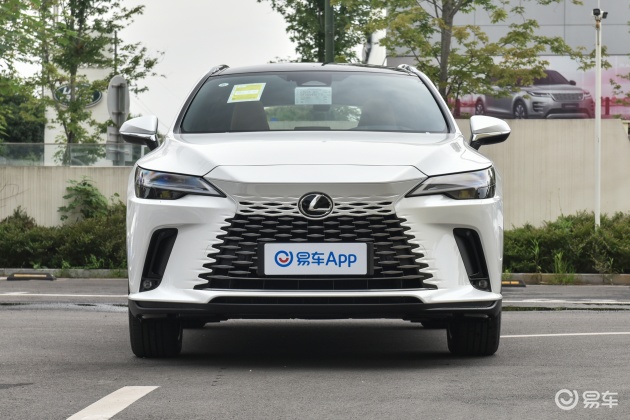
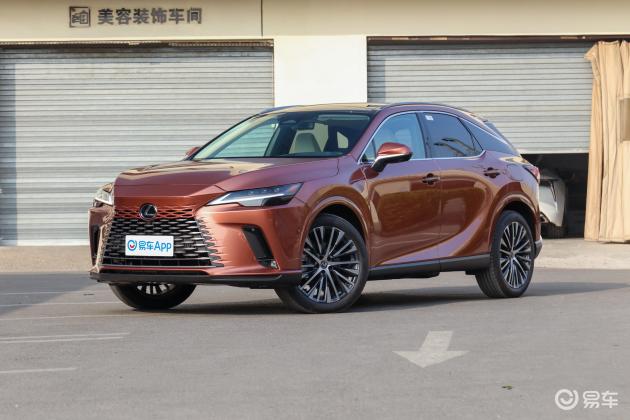
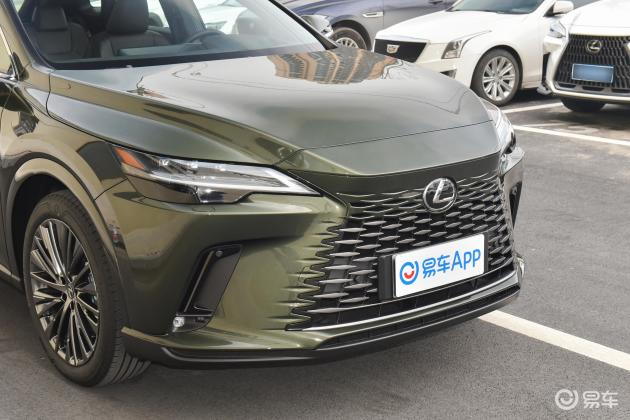
First of all, from the appearance, the front of the Lexus RX plug-in hybrid looks very clean and looks cold. The headlights are dignified and the overall look is very delicate. The car is equipped with LED daytime running lights, front fog lights, automatic opening and closing, adaptive far and near light, delayed closing, etc. To the side of the body, the body size of the car is 4890MM*1920MM*1695MM, the car adopts stable lines, the side circumference looks very stable, with large-sized thick-walled tires, the overall visual effect is very simple. In terms of the rear, the overall shape of the rear of the car echoes the front of the car, and the taillights are very fashionable and sporty. Overall, it is still relatively sharp.

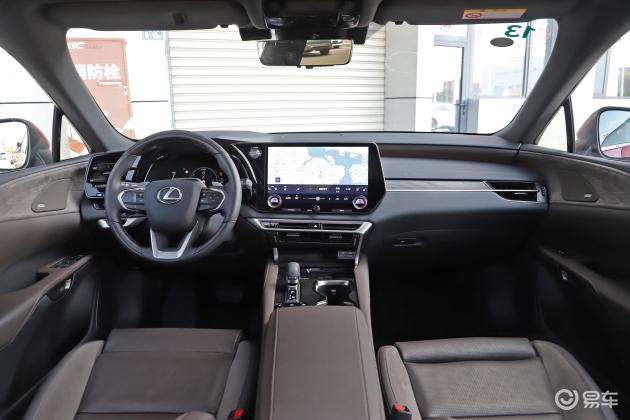
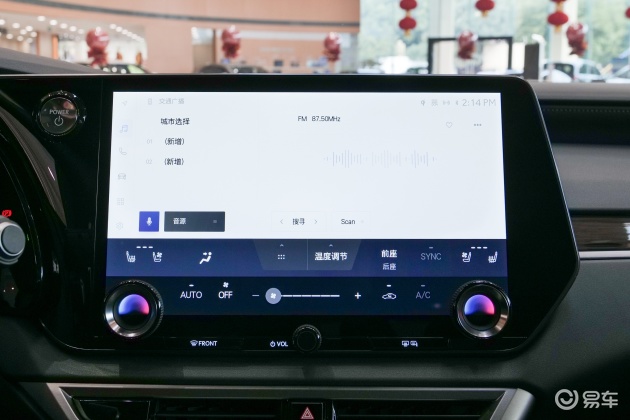
In terms of interior, the Lexus RX plug-in hybrid interior design is very spirited, and the overall visual effect is very distinctive. The steering wheel of the car looks very good in appearance, and it is made of genuine leather, which feels good. From the central control point of view, with the 14-inch touch LCD central control screen, the interior style is impressive and looks fashionable and sporty. Let me introduce the dashboard and seats. The dashboard design is remarkable and very eye-catching. The car adopts leather seats, which are wrapped in place and very comfortable to ride.

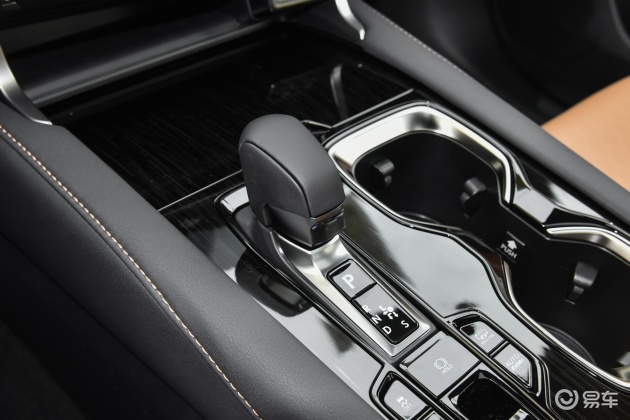
Equipped with vehicle to everything, driving mode selection, remote control key, UWB digital key, interior ambient light, traction control (ASR/TCS, etc.) and other configurations, rich in functions, greatly enhance its convenience.
After reading the full text, do you have the urge to buy a car? Let me make a summary. This level of models often combines cost performance and practicality, and is often considered by most consumers as the first choice when buying a car.

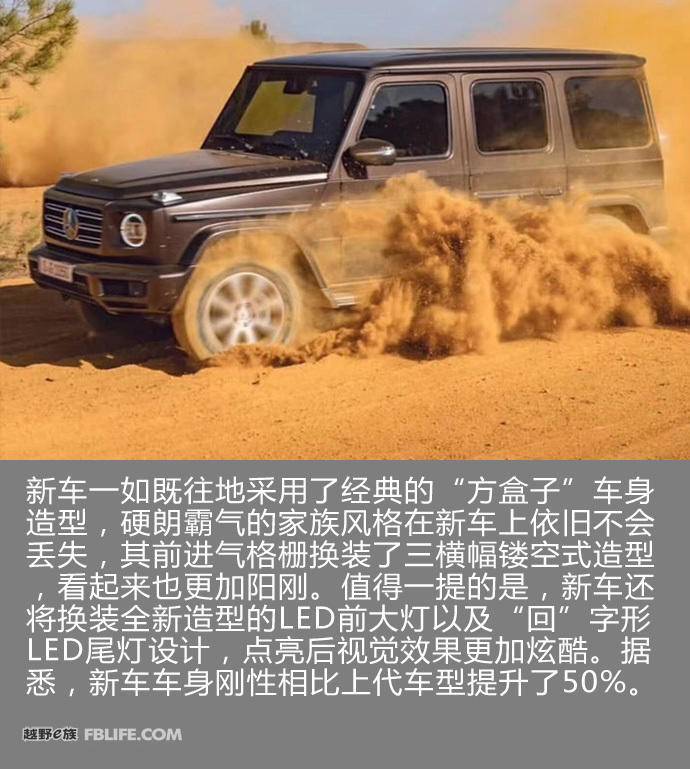
2018 new generation Mercedes-Benz G-Class 350 G500 configuration price

Recently, a new generation of G-Class exterior official pictures were exposed. The new car retains the classic "square box" shape, which mainly improves the appearance details and interior. It is reported that the new car will be officially unveiled in Detroit on January 15, and is planned to hit the domestic market in mid-2018.

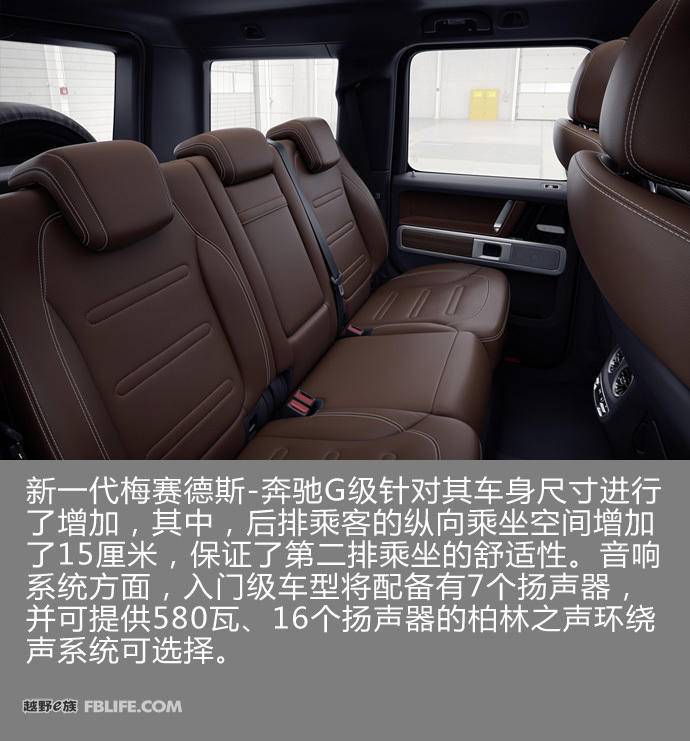
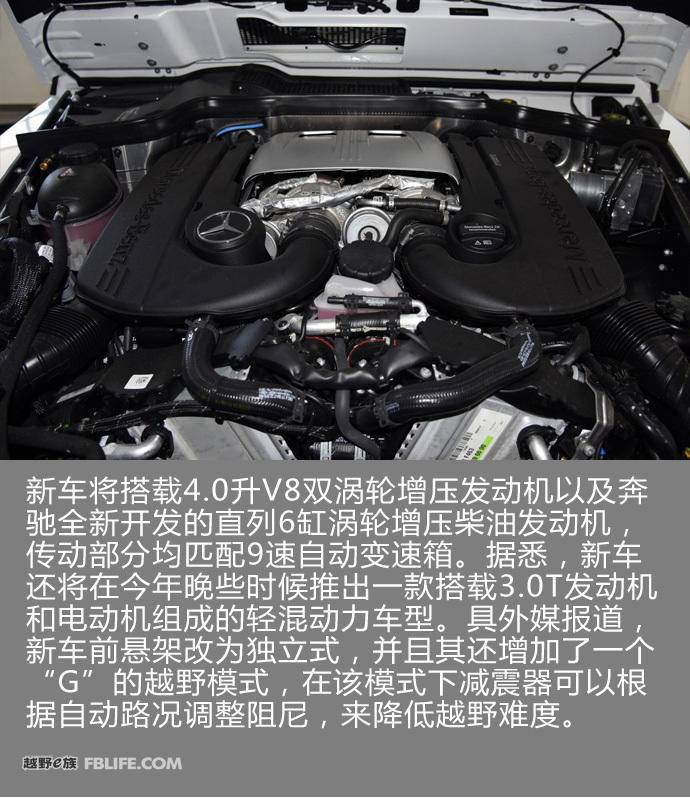
Editor’s comment: The appearance of the car is still the square box shape we are familiar with. Its interior adopts a hardcore style, and the configuration has also been improved. The car is equipped with a 4.0-liter V8 pair, which can bring it strong enough power. For more follow-up news, please continue to pay attention to the e-family new car report.

Business Name: Yuantong International Trade Co., Ltd.

National Consulting Service Hotline: Manager 13391566662 Pei [Same WeChat]

Company address: No. 102, Beihai Road, Binhai New District

If you buy a car from other places, you can take the high-speed rail to get off the bus in Tanggu, and you can pick it up by plane to Binhai International Airport.

Andy Lau was slapped three times, did you forget it today?

(WeChat ID: dushetv)

In the past few months, the volume of "Hong Kong" in the film and television industry has been slightly higher.

[Tomorrow’s War] has been extended, and the aftertaste of [Detective War] is still there. Today, Huang Zihua’s [still think you’re the best] reputation has exploded, and the dark horse’s posture is strong.

It has to be said that the appeal of Hong Kong actors is still there.

Not to mention the play, the scene outside the play can also set off a wave of enthusiasm.

I’m sure everyone has seen this picture.

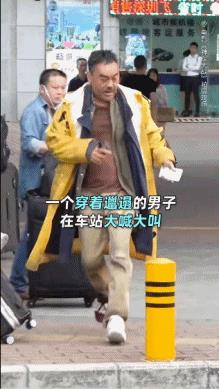
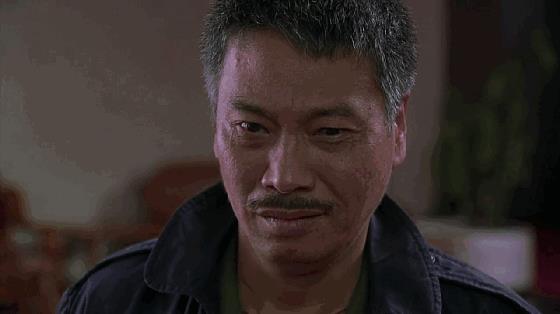
Liu Qingyun was filming at the scene, but no one recognized him. Everyone thought he was a real lunatic. Even many passers-by watched and saw him rush over to avoid subconsciously, with confused eyes.

[Detective Battle] After three months of filming, Liu Qingyun only had one script in his hands. Sometimes he got impatient and even picked up the camera phone…

No one has ever seen Liu Qingyun use a mobile phone on set.

38 degree weather, arrived at 6:30, put on makeup 8 hours in advance and started work, which left a deep impression on Tan Kai who was playing –

"His state is very quiet, not impulsive at all."

Actors in Hong Kong, China, are famous for going out for filming.

People in their 60s, 70s, and even 80s have been consecrated as Buddhas by word of mouth –

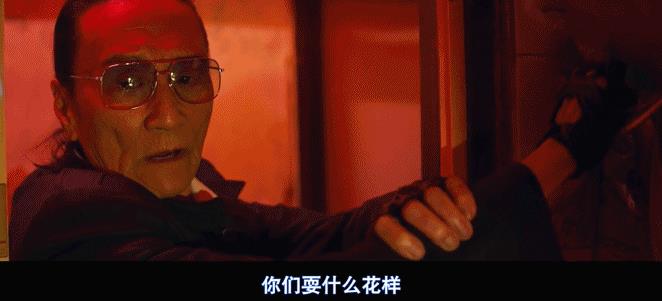
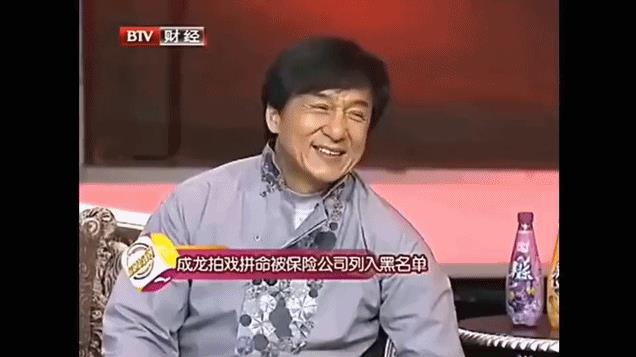
The fourth brother, Xie Xian, 80 years old, continued to shoot for 288 hours without stopping; Jackie Chan never wanted a double in a play, and was blacklisted by the insurance company.

The younger generation in their 40s and 50s gradually became the benchmark in the amazement of young people –

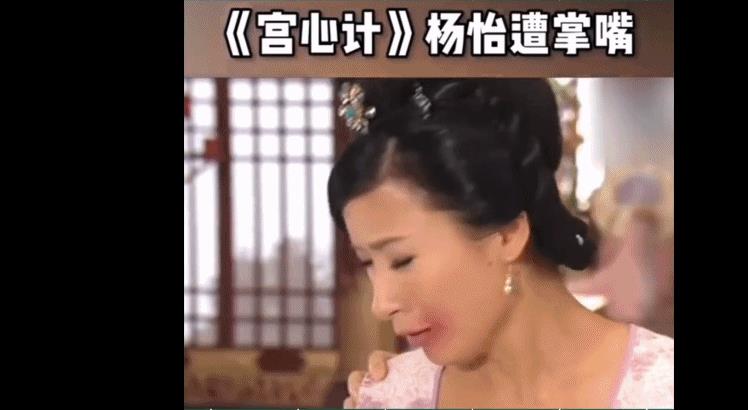
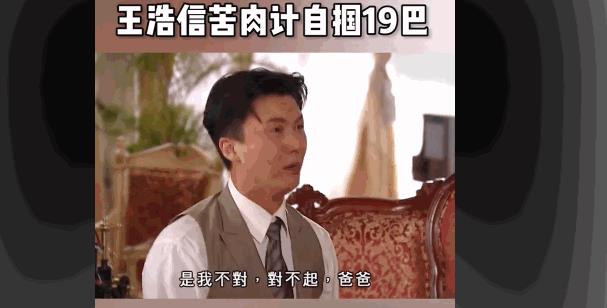
Zhang Weijian was willing to be entangled by a real snake in the filming; Yang Yi was slapped and the corners of his mouth were red and swollen in the play; Wang Haoxin slapped 19 times in the play and entered the play madly.

In Cantonese, this is called "de".

Mandarin is to be able to endure and persevere.

Translate again, that isDedication

Every time domestic audiences see these clips, they are envious and curious – how did this tradition come about?

Sure.

Today I will unfold, flatten, and use magnifying glass for you to see.

Let’s start with a name that you may not be familiar with.

"Uncle Shrimp" Guan Haishan.

More famous than him is his apprentice, Wu Mengda.

Senior figure.

But he’s just a supporting actor –

There is a saying in Hong Kong, China that the protagonist is called brother or sister, and the supporting actors are called uncle and aunt.

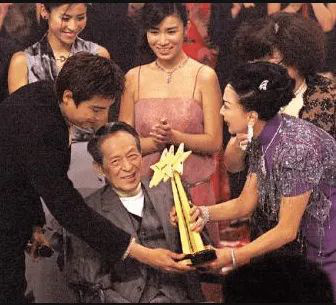
"Uncle Shrimp", the supporting role is undoubtedly, but in the end he still won the Lifetime Achievement Award given to him by TVB.

There is also such an interesting story between Guan Haishan and his apprentice Wu Mengda:

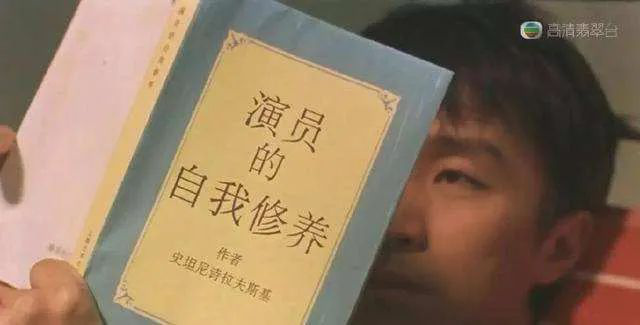
When Wu Mengda’s life was at its bleakest, his master gave him the book "Six Lectures on Acting". Later, the book went to Wu Zhenyu, Liu Qingyun, Zhou Xingchi and others.

In the end, the book "Self-Cultivation of Actors" that appeared in the hands of "Dragon Set" Yin Tianchou was based on this.

Going around, the professionalism is passed down from generation to generation, just like a stone thrown into the water, causing circles and ripples.

His apprentice Wu Mengda is a good example –

Not only can it cooperate with Zhou Xingchi’s nonsensical expressionism,At the same time, it can also learn from the experiential method school without falling behind.

In the early days, Wu Mengda accepted all plays in order to support his family, but he was never perfunctory.

After a long time, in various small roles that are different in the world, he has the ability to quickly grasp the role of the character and understand the effect of the character in the play.

Wait until it’s time for the performance.
This person’s life has long been thoroughly understood by him and condensed into the camera.

Why is this possible? Explain in one of his own habits – without a script.

I didn’t pay attention to the plot and dialogue at the scene, this is all done in advance.
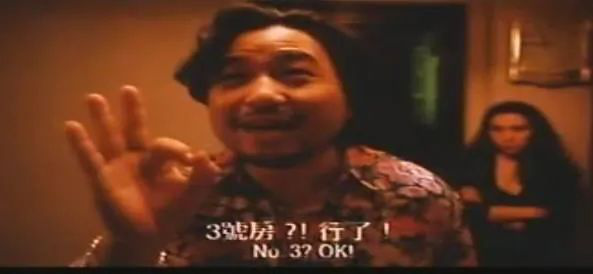
At the scene, I will watch the opponent’s performance, how to make the opponent play better, or play each other out, there can be some special places, places of spark.
It’s not that I don’t look.

But it has long been memorized and thoroughly understood.

Zhou Xingchi told a story.

When he first worked with Wu Mengda, Wu Mengda was reading the script in his hand, and there was only one page. When Zhou Xingchi went out to eat and came back, he was still reading the page in his hand.

There are only three lines above:Hello, good morning. Bye.

Zhou Xingchi is curious, do you need to watch the three lines of dialogue for so long?

Wu Mengda said there is.

"I play every role as the protagonist."

Inside the shell of a snail is a dojo,In the limited performance space and scenes, complete the arc construction of your own exclusive characters.

Other supporting characters only hope that green leaves will be lined with red flowers; and he must be, a little green among the thousands of flowers.

One obvious manifestation of the dedication of Hong Kong actors is:true

Real fight really eat, real knife real gun, regardless of role priority and status.

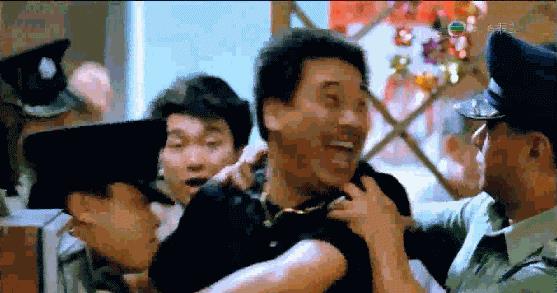
[Losing an orphan] is considered to be the peak of Andy Lau’s acting skills, and the scene in which Andy Lau was slapped was a real hit.

Don’t be a substitute, the sound of every sound is clear to the ears through the screen.

Director Peng Sanyuan stood beside him, covering his mouth the whole time, his eyes unbearable.

Wang Jing once shook his head in public and said that Andy Lau’s life was not lived by people, and he had not eaten rice for ten years.

Chow Yun-fat must have seen the famous scene of beating 12 eggs with one hand in [Tiger Out], and then swallowing it raw with his neck raised.

Lu Yu once mentioned this scene in an interview.

I don’t care how big my stomach is, Chow Yun-fat said. Maybe I will vomit after eating. At that time, the director said "camera" and swallowed it. It’s that simple.

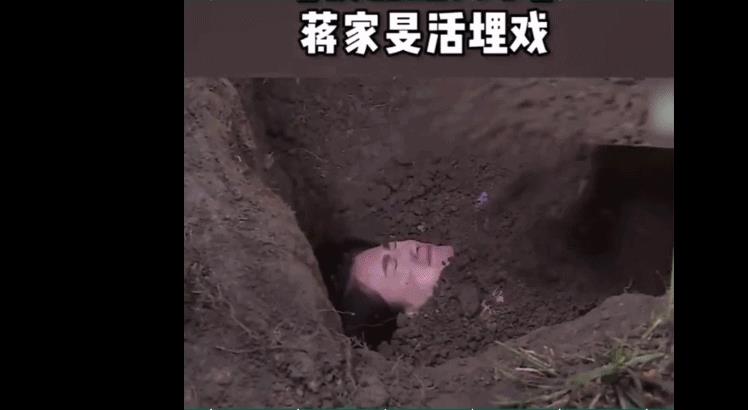
In [Anti-Black Passenger A].

The scene of Jiang Jiamin being buried alive was suffocating.

She lay in the deep pit in this state for nearly half an hour.

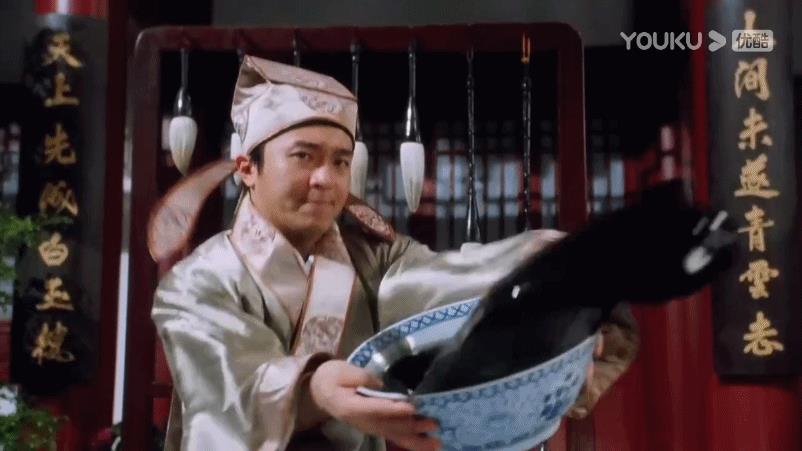
Chen Baixiang and Zhou Xingchi filmed [Tang Bohu Dot Autumn Fragrance] and there was a scene where ink was splashed.

Later in a program, Chen Baixiang revealed that the ink splash went directly to his nose, but he endured it in order not to delay the progress.

After the performance, he washed the ink for more than four hours.

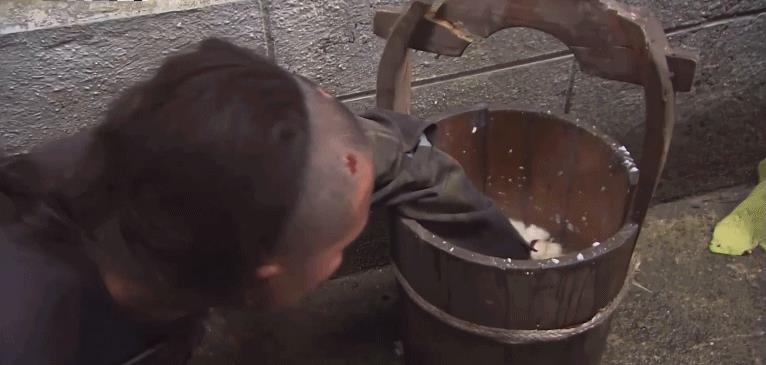
In Xiao Zhengnan’s [Great Eunuch], the swill he ate was the real swill prepared by the crew.

Grabbing food from beggars, the chicken thighs fell into the sewage and were also picked up and sent to his mouth.

Because in the play, he is starving and cold.

Speaking of the truth, I have to mention the martial arts actors in Hong Kong, China.

Male Bruce Lee, Jackie Chan, Donnie Yen to Liu Jiahui, Zou Zhaolong, Yuan Biao, etc., female Hui Yinghong, Yang Ziqiong, Hu Huizhong…

In order to make his debut or become famous, he almost used his life as a prop.

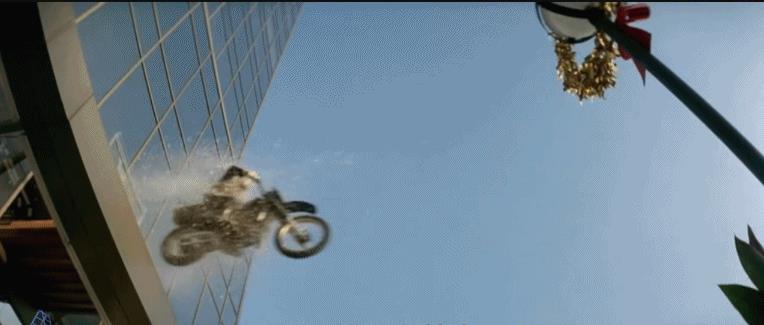
Jumping off a building, falling straight, crashing, skyscooters, human flesh sandbags…

Those intense and even dangerous scenes once became the film’s biggest selling point, laying a solid foundation for the prosperity of Hong Kong martial arts films and an important weight for going global.

CCTV’s cultural documentary "Screening Room 10: Legends of Chinese Film History" dedicated to kung fu, telling the stories behind the scenes.

How far is it really?

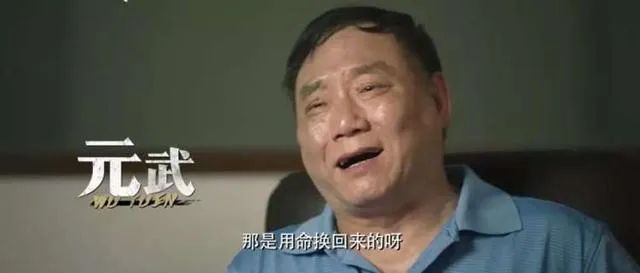
In Hong Jinbao’s words, he dared to do anything. In Yuan Wu’s words,That was exchanged for life.

No exaggeration.

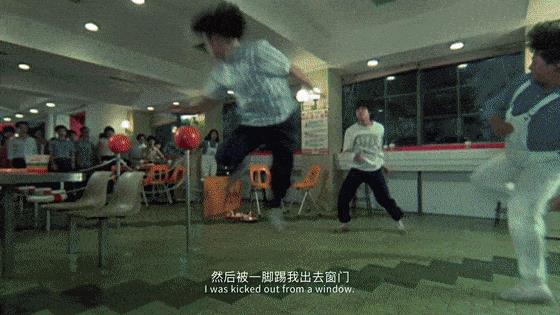
When Yuan Wu was filming [Five Lucky Stars], the ambulance was prepared in advance. In his scene, he first fell out of the glass window, then fell on the road, and finally landed on his head.

After filming, he went straight to the hospital.

Even foreign colleagues come to visit the class and feel incredible: Do you dare to do this?

Qian Jiale, one of the martial arts actors, recalled that shouting "click" was not to call it a day, but to save people.

Beyond the scope of ordinary people and ordinary people, it is almost insane.

Later, everyone’s understanding of that group of actors was finally revealed by Tsui Hark’s words:

"What they did in the past, no one will be able to do in the future."

Of course, now we don’t need to use our fists to vent our emotions and support justice, punish evil and promote good. That era will eventually become a thing of the past.

Some people may ask, is this really necessary?

For a talented actor, it may be debatable. But in a short period of time, truth is undoubtedly the fastest way to get into the play, the only shortcut, and the only way to make up for the shortcoming and "deceive" himself and "deceive" the audience.

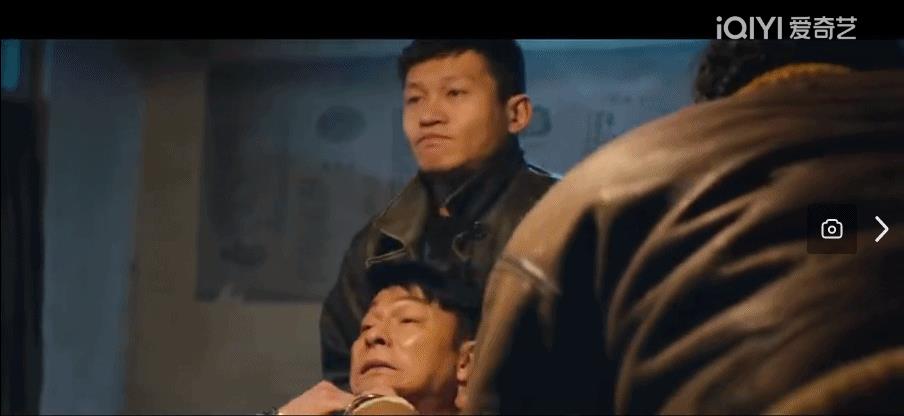
In [Save Mr. Wu], Andy Lau’s role of being strangled requires the feeling of suffocation and blue veins bulging.

So what do you do?

Come on.

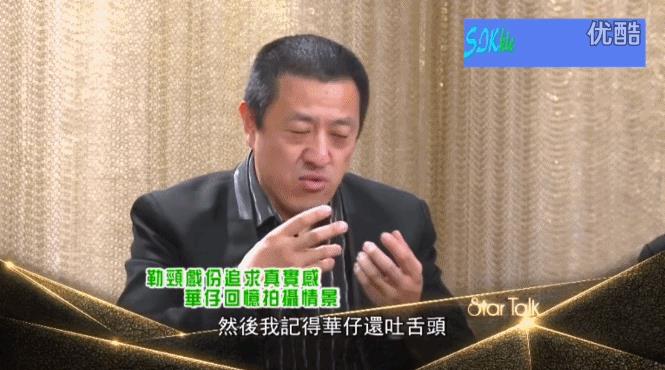
In the Star Talk interview, the director revealed a detail:

"That actor, after Andy finished speaking, he still didn’t dare to strangle him."

Later, it was Andy Lau who persuaded him again and again, and the scene was successfully filmed.

To what extent? His eyes were bloodshot and he stuck out his tongue.

That was the scene.Only then did Andy Lau realize that when he was strangled by the neck, his tongue would fall out by itself.

For actors, it is not surprising that controlling their bodies and organs is a very common means of performance.

But against the backdrop of peers, it appears increasingly rare and valuable.

Do you still remember Ren Jialun’s plastic muscle clothes in "Meeting Junchu", which were pulled out and repeatedly "whipped corpses"?

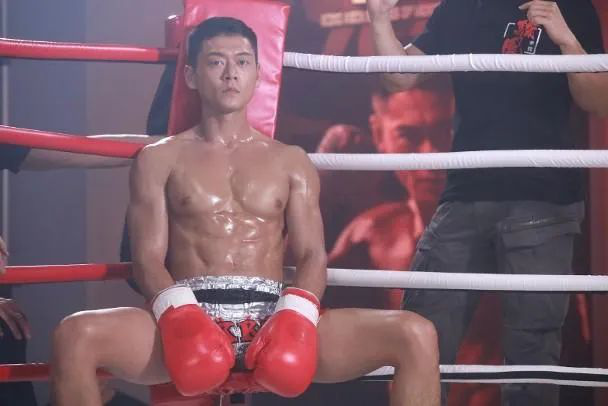
You know, a year ago, Hong Kong actor Zhang Zhenlang lost 18 kilograms of weight and trained for a year to produce a pair of washboards in order to star in Hai Zhenglan, one of the male protagonists in [The King of Boxing].

Not to mention the fact that less than a minute into the ring in the first season, 56-year-old Lai Yaoxiang lost 9 kilograms in two months.

Of course, this is invisible to the parties involved. Huo Jianhua was fortunate enough to witness it with his own eyes once.

Shooting "Odd Man Yizhi Mei" is almost done, and there is a scene that needs to fall to the ground. Liao Qizhi has been shooting for almost 20 hours in a row for this scene.

At the scene, there were still all kinds of hard falls.

At that time, Huo Jianhua thought to himself, so dedicated. But when the character "died", Liao Qizhi fell to the ground with a snap, because he was old and his physical strength was difficult to support.

At the same time, Huo Jianhua also accepted a solid dedication class.

The TVB training class still uses Liao Qizhi’s improvisation as a teaching material –

In the 1980 version of "Shanghai Beach", Zhou Runfa played Xu Wenqiang with a severed finger, and there was a scene of eating with a severed finger. Zhou Runfa temporarily played it: the cut on the severed finger was painful, and the bowl in his hand fell.

Liao Qizhi, who was in the play, immediately responded: Reach out to take the bowl and read the dialogue.

The bone-turning palm will eliminate the crisis invisibly.

A seemingly brilliant reaction is inseparable from long-term and solid training.

Wang Zulan once took a group of TVB artists on a show "go LIVE! Sitcom", and the "Infinite Training Class" crew they formed presented many TVB classics, but also expressed the hardships behind the actors in Hong Kong, China.

TVB actors who hold up half the sky from Hong Kong TV, everyone has gone through the stage of unforgettable walk-on.

Zhang Zhenlang revealed in the show that the previous scene was filmed at 4 am, but he received a call saying that there was a role to be played at 7 am. But that role was just a stand-in.

Hearing this, Yingda, the guest present, opened his mouth in shock.

However, this is the norm at TVB.

Before Liu Qingyun became famous, he also ran the dragon trap for nearly 10 years. He said that in those years, he was so depressed that he didn’t have time to go home to sleep or fall in love. He felt like a prop rented to the movie studio.

Chow Yun-fat worked around the clock, and even slept on the set… Zhang Jiahui was beaten and cried when he was a martial artist, and was even teased as "the king of dragon traps".

Hu Xinger said that she had been filming for more than 20 hours a day on TVB. Unhappy under high pressure lasted for ten years.

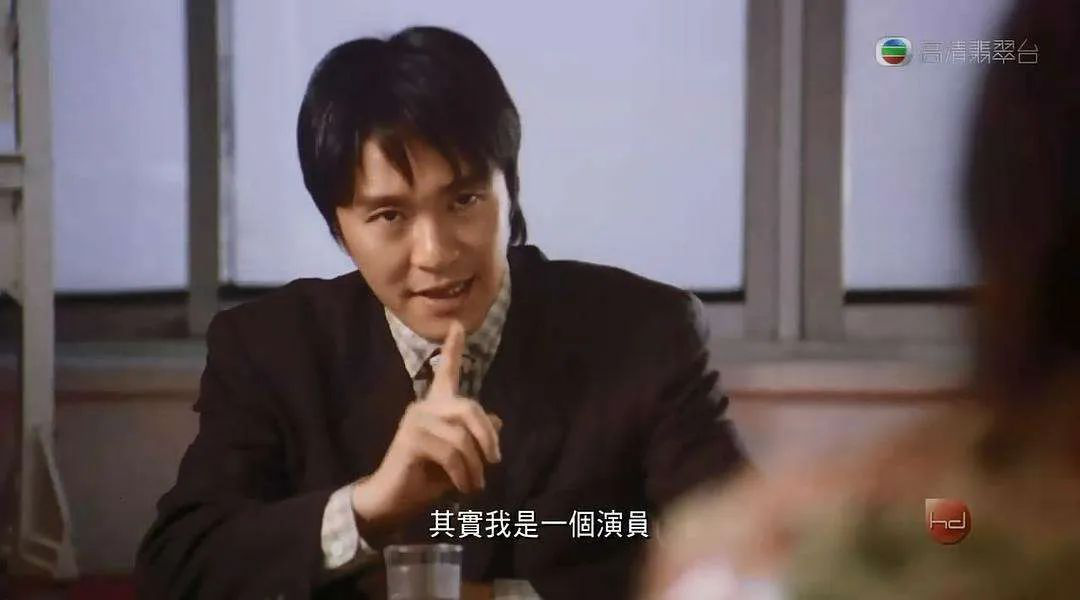
What’s more poignant is that Stephen Chow [King of Comedy] is completely realistic in his tragic struggle.

A few years ago, at the press conference of Xingye [New King of Comedy], Wang Baoqiang recalled the sadness of his pre-fame. Xingye, who stood by the side, listened carefully and focused.

Finally, he sighed with emotion: Anyway, the two of us "dead guys" are the same.

In a cutthroat competitive environment, acting is a disenchanted profession from the outset.

It is no different from other professions, it is just a livelihood to support the family. Everyone must start from a novice, play a supporting role, and then become a high-profile protagonist.

Just like fighting monsters in the workplace. There will be no less hardships and mistakes that should be suffered and made.

When Leung Ka Fai played tricks on Chow Yun Fat, the action he designed was scolded by the director "Who do you think you are, Napoleon?"

Before being nominated for the Golden Horse Award for Best Supporting Actor, it took Xue Lin 20 years to reach the threshold of acting.

He even said,One-third of his salary is earned by being scolded.

After the transformation of the TVB training class, those who enter the training class learn not only acting, but also dubbing, hosting, vocal music, image management, market management, martial arts, and even lighting, receiving people and things, and writing scripts.

There is an exam every three months, and if you fail, you will be eliminated. Near graduation, there are also exams, but if you fail, you will not be able to graduate.

Although the training is hard, the competition is still fierce. In the glory days of TVB, the number of applicants for the training class can be as high as 6,000, and only more than 40 people are selected.

In the hard training day after day, professionalism has long been internalized into self-discipline –

Punctuality, focus, extreme…

But strangely, almost no one complained when they left, because they knew that without TVB, no audience would know them.

Professionalism is most reflected in Hong Kong, China –

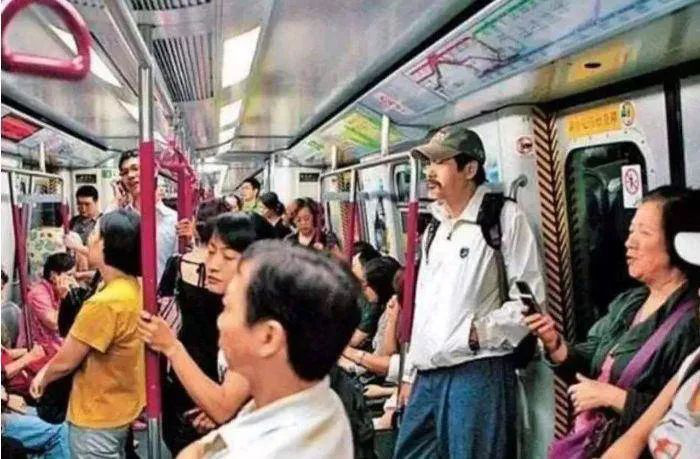
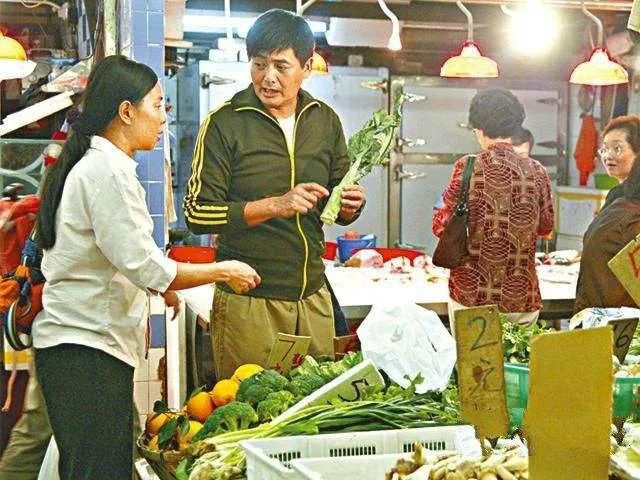
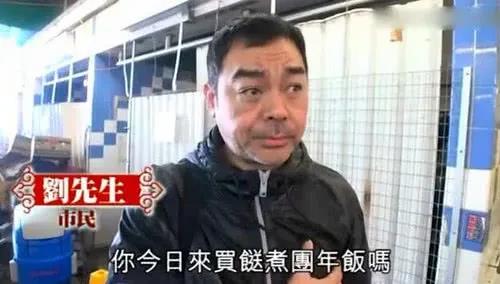
In the streets of Hong Kong, you can meet the best actor at any occasion.

Chow Yun-fat, who seemed to be alone on the subway, Zhou Yun-fat, who bargained for food in the vegetable market; Liu Qingyun, an enthusiastic citizen who was interviewed; Gu Tianle, a pretty boy who traveled by battery car;

As well as Huang Rihua, who was met by Lu Yu and Zhou Runfa when traveling in a low-key manner.

In the eyes of Hong Kong people, an actor is just an identity and a job. If you leave this job, you will return to the life of ordinary people.

For example, many actors who have changed careers but are still dedicated and low-key.

Paul Che, who plays a master in a number of costume movies, was working as a supervisor in a vegetable market when he received the news that he was competing for the best actor at the Taipei Film Festival with [The Old Man and the Dog] at the age of 59.

The daily work is not on the set, but handling customer complaints, water, electricity, transportation, and catching thieves.

After receiving the news, he was happy for a while, and then he began to struggle with the situation: how to thank and how to meet people. Finally, he didn’t want to. "Waste your energy, go to bed, and get up at four o’clock tomorrow morning to start work."

The news of the competition for the best actor entered the vegetable market, and the owner congratulated: "If you win, I will give you a grouper."

Fish is the biggest and most sincere compliment that stall owners give to dedicated actors.

Zhang Aijia’s apprentice, Yang Qi, once nominated the golden horse female match. Later, he worked as a security guard in the university and even worked part-time as a flower seller to help the chef.

But she still persists in practicing her acting skills, in order to ensure that one day "she will not be too rusty and too nervous."

Acting don’t think too much of yourself, don’t belittle yourself when you leave the spotlight, and straighten your mindset.

And Hong Kong itself strongly advocates this professionalism.

Koo Ming-wah, a thousand-year-old hero, joined the industry in 1990 and was nominated for Best New Actor at the 12th Hong Kong Film Awards for his role as a groom in [Mong Kok Racecourse].

He spoke about the unexpected nomination in a talk show.

Everyone wonders how anyone could be nominated.

"Because no one knows the nominee."

Gu Minghua himself knew that this was a third-class film in the eyes of others, and it was inevitable that it would be put on colored glasses. Of course, it lost. The nominee was Yuan Yongyi [Yafei and Yaji].

The opponents also include Zhu Yin of [Truant Dragon 2] and Zheng Xiuwen of [Flying Tiger Elite Human Love].

But the reason for the nomination is simple:

There you go.

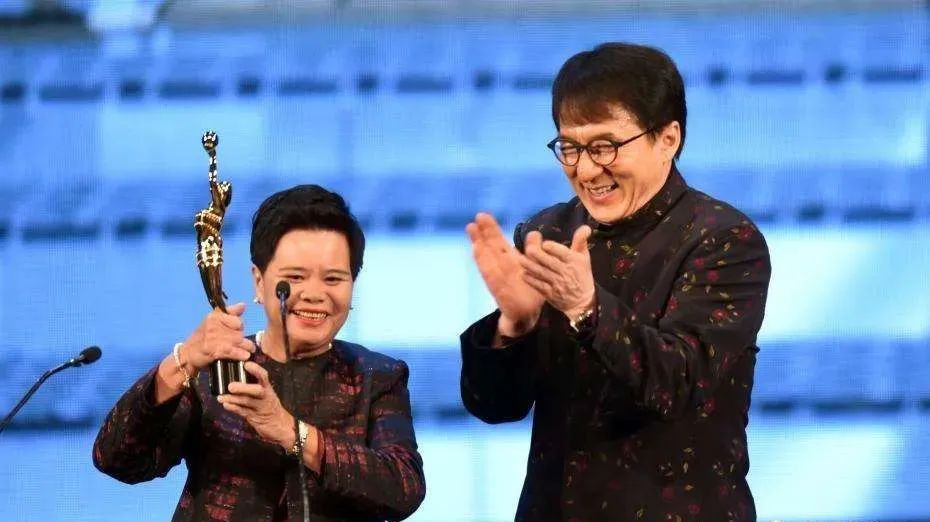
In 2018, at the 37th Hong Kong Film Awards ceremony, an award called "Professionalism Award" was won by a grassroots employee named Yang Ronglian.

No star, no background.

When she took the stage to accept the award, the leaders of the Hong Kong film industry stood up collectively, and everyone applauded enthusiastically.

Jackie Chan said that she is a very important person and would not be used to it without her.

Leslie Cheung, Gong Li, Chow Yun-fat, Tony Leung, Louis Koo, Nicholas Tse… Almost everyone who has filmed in Hong Kong has enjoyed her meticulous service.

Yang Ronglian is illiterate, and the eating and drinking of hundreds of people in the crew is a big problem. If you can’t read, you will memorize your name, and almost everyone’s preferences will be recorded.

Is it difficult to make tea?

"It’s not that simple. It doesn’t mean just passing water. You have to see if the actors are free and if the directors are free."

At the right time, serve delicious refreshments. Sister Lian has done the tea work to the extreme.

The crew started work at 6 o’clock, and she had to get up at 4 o’clock. She worked for more than ten hours a day and could only rest at night.

One time, she did the Gu Tianle version of "Condor Hero" and Andy Lau version of [Machine Boy’s True and False Weilong] ([Dragon God Prince]). She didn’t go home for seven days and seven nights.

Dedication, no less than any professional actor.

See the stitches for meticulous service, this honor is well deserved.

Coincidentally.

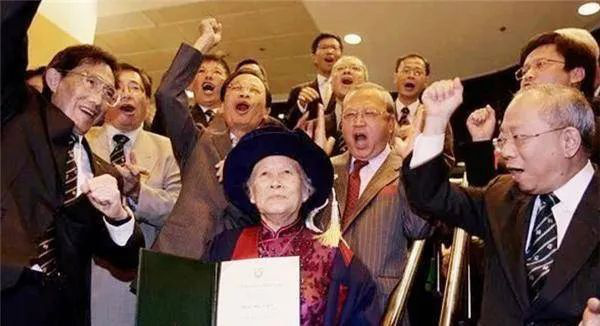
2009 University of Hong Kong. An aunt who worked as an assistant chef and cleaner for 44 years was named an honorary fellow.

She didn’t have much earth-shattering or outstanding contributions, just an ordinary worker who couldn’t be more simple.

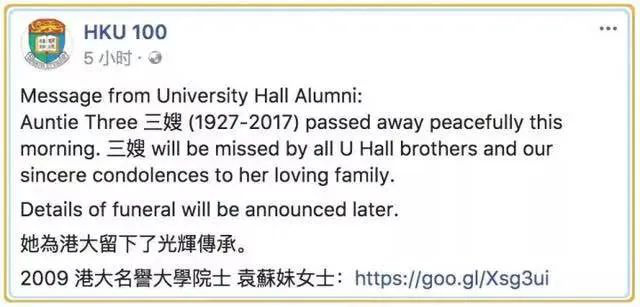
When she passed away, people from all walks of life in Hong Kong, China, mourned her.

The media published articles to mourn;

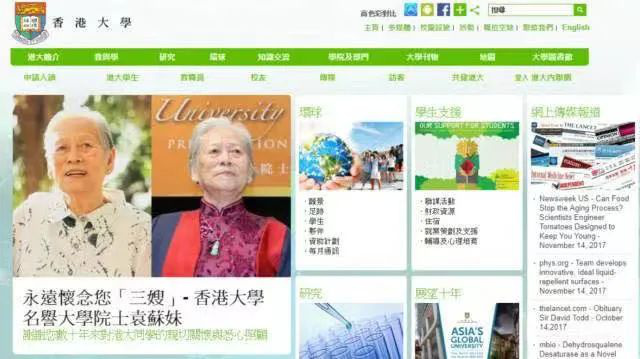
Madison, the president of the University of Hong Kong, said that she has left a glorious tradition for the University of Hong Kong.

The University of Hong Kong specially produced a short film for her and updated the homepage of its official website: I will miss you forever, Third Sister-in-law.

Like Sister Lian, this third sister-in-law, Yuan Sumei, also achieves dedication to the extreme.

In order to soften the sago, in the days when there was no pressure cooker, you had to stand in front of the stove for two hours; run to get medicine for sick children; in order to let students eat delicious horse bean cakes, you had to cook them on slow heat for an hour, and keep stirring during the period…

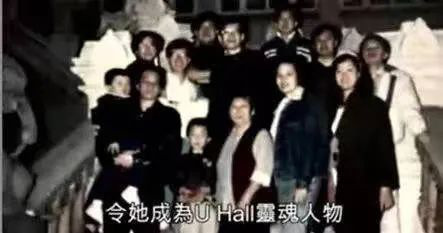
Many children studying at Hong Kong University have been carefully cared for by the third sister-in-law. And she is never ostentatious and works hard.

Later, she was compiled into the university’s orientation textbook and written into the dormitory song that freshmen must learn:

There are three treasures in the university hall: the rotating copper ladder, the four unlike sculptures and the three sisters-in-law.

The ceremony was conducted entirely in English, and because she used Chinese, she deliberately read the praise in Cantonese.

If said.

The dedication of an actor comes out of it.

It is a survival move that does not invest, there is no food to eat, and it is a hard-working and tenacious survival force that is "forced".

Then, the dedication of these grassroots workers is more like an interpretation of the fighting spirit of Hong Kong, China.

Regardless of occupation, try your best to do your job well, be hard-working and forging ahead.

This dedication has helped Hong Kong, China, to take off and thrive, and has also become a valuable asset and spiritual portrayal that has been passed down for generations.

Nowadays, careers are changing, the environment is changing, and so are people.

The only thing that hasn’t changed is the tacit understanding between the two generations –

There is sweat, there is food.

The pictures in this article are from the Internet

Editorial Assistant: Yimou not emo

Intelligent electric top-notch work! Avita 12 is at the forefront of the industry

In the current highly competitive smart new energy track, every innovation may challenge and exceed the traditional. The Avita 12, a new luxury model designed with "future aesthetics" as its design concept, has become the focus of the current automotive market with its unique exterior design, luxurious interior configuration and advanced intelligent driving system.

In terms of exterior design, Avita 12 insists on originality, with a shaft length ratio of 0.61, an aspect ratio of 1.38 and a wheel height ratio of 0.514 to create the ultimate proportional beauty. This design not only shows the aura of luxury, but also perfectly combines futuristic feeling with practicality. The new 2024 car has introduced a new appearance color of bright gold. This innovative "chameleon" paint surface has been repeatedly polished for 6 months, so that the whole vehicle presents the ultimate texture and beauty in the interlacing of light and shadow.

Entering the car, the panoramic digital wrapping induction cockpit of Avita 12 is eye-catching. The double zero-gravity seats in the front row are standard, providing passengers with the ultimate comfortable experience. The full-field ultra-clear linkage screen and intelligent light-sensing color-changing dome allow passengers to enjoy the convenience brought by technology, but also feel luxury and comfort. The panoramic sound field of CST coaxial speakers enhances the luxury of the whole vehicle from the sound. And the unique "dual energy well" foot-diving battery design not only breaks the boundary restrictions of luxury cockpit space and streamlined design, but also achieves the largest and most comfortable rear seat experience in the same class.

The Avita 12 series comes standard with 3 lidars and 29 smart driving sensors, and is equipped with Huawei’s latest high-end smart driving HUAWEI ADS 2.0 system, which makes the vehicle have extremely high intelligent driving capabilities. The smart driving NCA function that does not rely on high-precision maps makes Avita 12 truly realize the vision of being able to drive across the country, and the more you drive, the better you drive. At the same time, a number of functions are optimized through OTA, including tidal lanes and bus lanes, which are passable. The new Lateral Obstacle Anti-Collision System (LOCP) further solidifies Avita 12’s "leader" position on the smart driving track.

In terms of safety, Avita 12 has 19 intelligent active safety configurations, and is equipped with 3 lidar fusion general obstacle perception network to achieve 360-degree surround anti-collision protection. In passive safety, the use of ultra-high-strength steel-aluminum hybrid cage body, aviation-grade aluminum and high-strength steel accounted for more than 80%, to ensure that the vehicle can provide maximum protection for passengers in the event of an accident. In addition, the vehicle also has excellent three-electric safety performance, including the H-type ternary lithium battery customized by Ningde Times, which uses a high-strength 6-series aluminum alloy battery to protect the shell. After 150 + special project safety and performance tests, the safety of the battery is guaranteed.

All in all, Avita 12 has become the leader in the current luxury electric vehicle market with its unique design concept, luxurious interior configuration, leading intelligent driving technology and all-round safety redundancy. Avita not only shows the future trend of automobile design, but also protects the safety of every driver and occupant with hard-core strength.