Out of the comfort zone of Beijing flavor and Shanghai style, regional dramas with more flowers enter the era of compound value.
Wen | Xiao Gu Dong
Looking at the new dramas in recent years, the distinctive regionality is an important symbol.
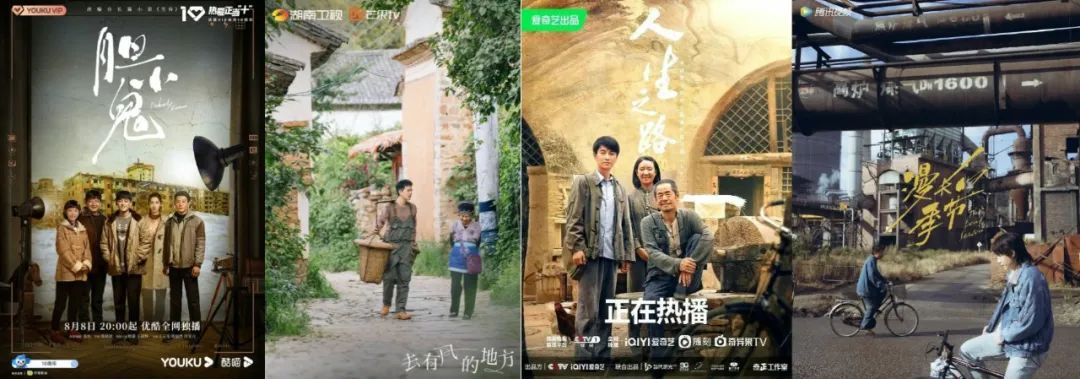
As far as the dramas broadcast in the first half of this year are concerned, from the southeast drama represented by The Knockout to the northeast drama represented by The Long Season and Our Days, from the northwest drama represented by The Road of Life to the southwest drama represented by Going to a Windy Place and Dragon City, they are all typical samples.
It can be seen that at present, film and television dramas have jumped out of the creative ideas of Beijing-style dramas and Shanghai-style dramas, and at the same time, they have made great efforts to break the simplification of geographical space, integrate a large number of regional elements into their works in visual expression and atmosphere creation, fully display the unique geographical and humanistic features of each region, effectively upgrade their own innovative texture with pioneering consciousness and experimental spirit, and bring viewers a higher quality content experience.
In the view of Reading Entertainment Jun, the rise and explosion of these regional dramas not only benefited from the comprehensive activation of innovative thinking and the effective expansion of creative boundaries, but also closely related to the social environment, and the significance brought by them was also diverse.
First, based on the differentiated regions, show the great changes of the times with a small incision, so that the drama can get more exports in the expression of the theme content.
In recent years, a series of thematic dramas have emerged. "Precise Poverty Alleviation" was put forward in Shibadong Village, Huayuan County, Xiangxi, Hunan Province. "There are so many beautiful mountains" was not only filmed in Xiangxi, Hunan Province, but also mixed with real cases of local poverty alleviation in the plot. The Daughter of Dashan is based on the story of Huang Wenxiu, who graduated from Beijing Normal University as the first secretary in Baini Village, Guangxi, and focuses on showing the spiritual outlook of contemporary poverty alleviation cadres. "SOMA Flowers Bloom" focuses on the story of poverty alleviation in ethnic minority areas, based on the humanistic characteristics and natural scenery of Daliangshan, the largest Yi inhabited area in China.
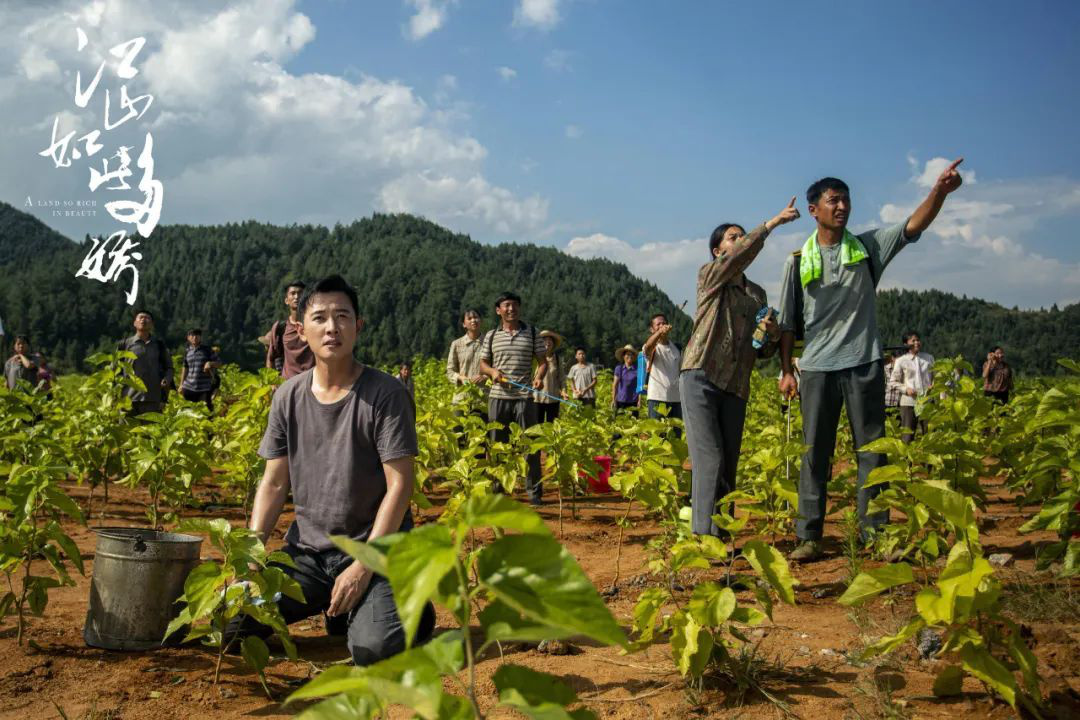
Backed by the same theme, their commonness lies in walking with the times, shaping typical characters in typical environments, exporting stories of poverty alleviation with local characteristics, and vividly interpreting the concrete connotations of slogans such as "tackling poverty" and "revitalizing the countryside", so that the audience can have a deeper understanding of the implementation process of relevant policies and activate their inner collective consciousness and national pride.
2. Linked with major historical events and social transformation stages, the drama series presents vivid characteristics of the times and group images of people, which reflects the great social changes and humanistic features of the region.
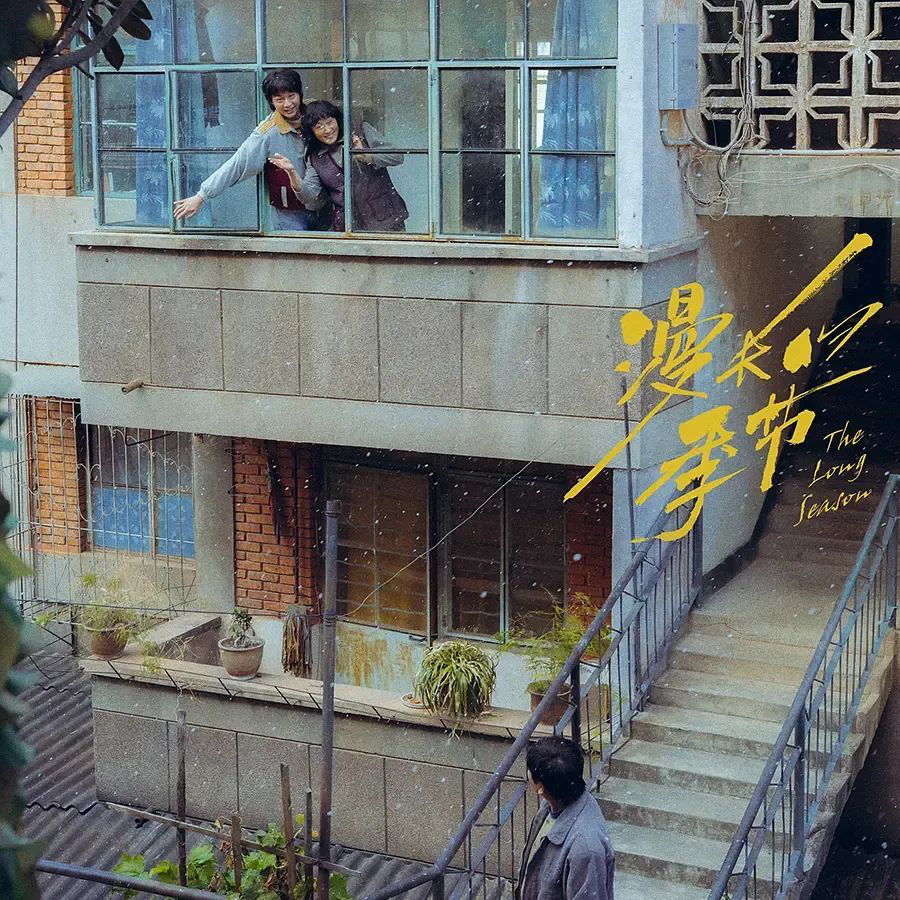
In addition to the seasonal dramas such as Liu Laogen, Ma Dashuai and Country Love, most of the current dramas with northeast themes have opened the corner of the local heavy industrial era, and innovated the narrative angle from the content perspective-or focused on the survival of a century-old factory, The Great Game shows the transformation of "North Machinery Factory" from a century-old factory on the verge of bankruptcy to an innovative enterprise with international leading technology; Or focus on the parents in the family courtyard of the factory. "Our Days" takes the early 1980 s as the starting point and tells the story of several families with different family models living in the family courtyard of Hongguang Machinery Factory for decades. Or show the brand of the times when workers are laid off collectively. The Long Season not only focuses on the main plot, but also shows the ups and downs of the life of employees of Hua Gang, such as Wang Xiang, Gong Biao, Li Qiaoyun and Huang Li Ru, which is also a microcosm of the fate after the end of heavy industry in Northeast China.
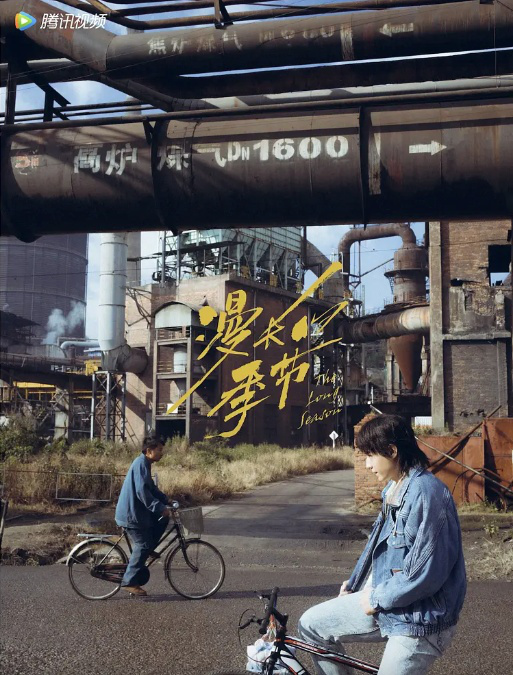
This series of drama shows the social features and cultural heritage of Northeast China from different levels and dimensions, which makes us feel the pain points of the times behind the decline of heavy industry in Northeast China and the wave of millions of workers being laid off, and also deeply understand the real connotation of "a grain of ash of the times falls on everyone’s shoulders and is a mountain". Of course, each region has its own story of the times, and we are also looking forward to more dramas linking major historical events and social transformation stages, so that we can understand the stories of each era and better walk with the times.
3. Create works around scene reappearance, market culture and folk customs, so that the drama series will naturally play multiple roles in promoting cultural communication and the development of cultural tourism.
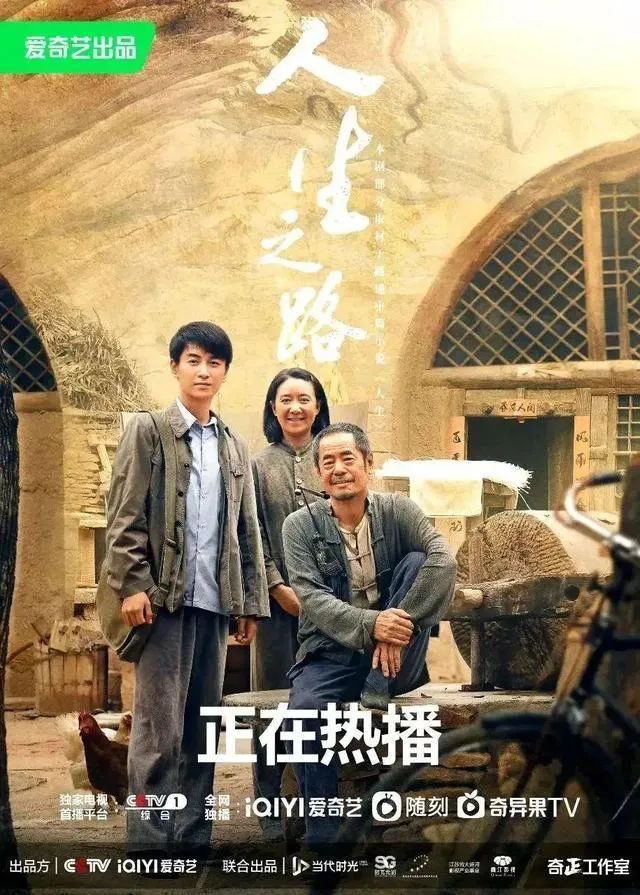
Take the new drama "The Road to Life" in the era of realistic classic literature as an example. This drama is not only partly based on the novel "Life" by Lu Yao, but also chooses to shoot in Qingjian County, Lu Yao’s hometown. From the perspective of the whole drama, The Road of Life not only vividly presents the life scenes of ordinary people in the Loess Plateau, but also fully shows the beautiful mountains and rivers in Qingjian, such as the folk culture featuring caves, folk art featuring folk songs in northern Shaanxi, the northwest food features represented by potato vermicelli and jujube steamed buns, and the unique Danxia landform and Taiji sacred natural scenic spot, which has enabled the audience to establish corresponding cultural cognition and attracted everyone to punch cards, greatly promoting it.
A drama makes a city, and even blows the outpost of online celebrity city unintentionally. Liu Yifei and Li Xian starred in "Going to a Windy Place", which not only brought fire to Dali, but also laid the groundwork for the development of Zibo cuisine. In the play, Xu Hongdou, the heroine, is set as a native of Zibo, and in the play, she explains the detailed methods of Zibo’s special gourmet crispy pot. Dong Qing, who is also played by Xie Xiaochun, is from Zibo, so he shared the whole process of making crispy pots in Little Red Book, which won the attention and praise of many fans. With the arrival of the large-scale cultural tourism movement of "entering Zi to catch the exam", many netizens took advantage of the opportunity of punching Boshan cuisine to taste the crispy pot.
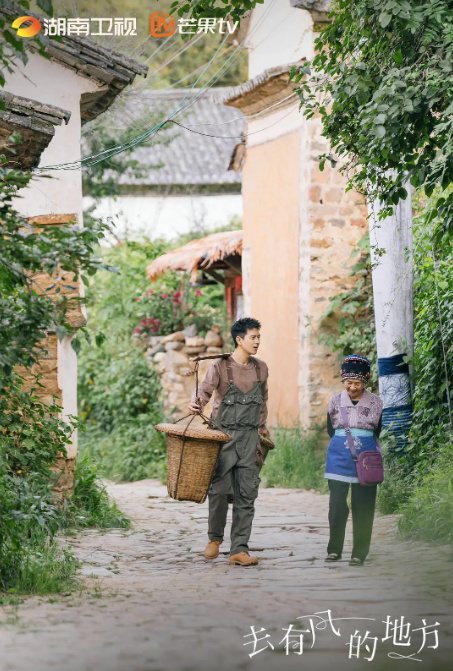
With the liberalization of the environment, the development of cultural tourism in various places has been accelerated. When the film and television dramas set their creative sights on Dali, Zibo, Qingjian and other areas with both natural and humanistic characteristics, and the content of the drama series is perfectly integrated with local characteristics, it not only provides more unique content details for the precipitation of the humanistic heritage of the drama series and the expression of fireworks, but also plays an important role in the unification of artistic value and cultural value for the development of local cultural tourism.
4. With the popularity of TV series, more regional writers have emerged, further narrowing the distance between the literary world and film and television dramas.
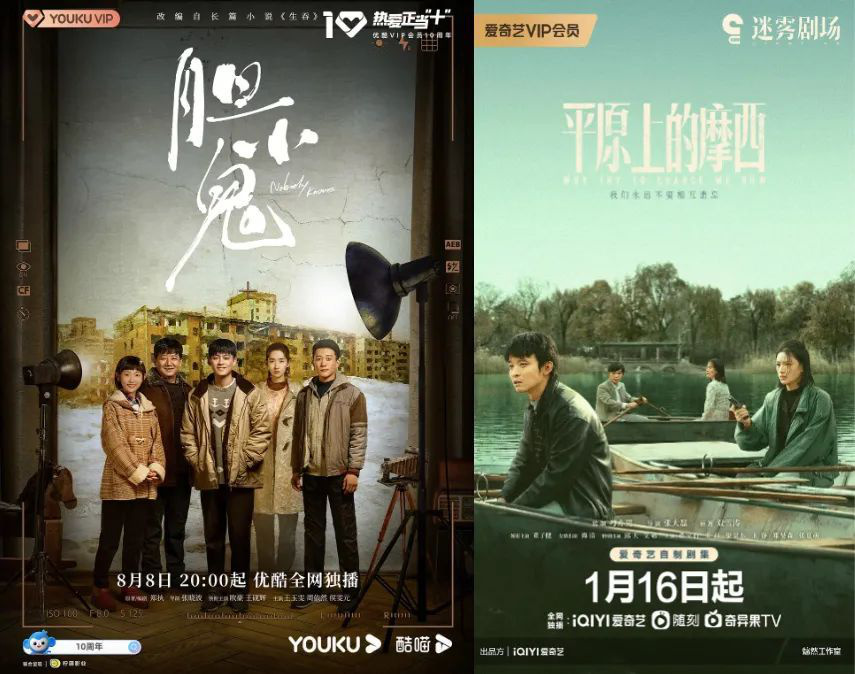
In Northeast China, Shuang Xuetao, Zheng Zhi and Ban Yu are known as the "Three Masters of the Northeast Renaissance", which provide strong support for the high-quality output of films and TV works with the theme of Northeast China. Specifically, Zheng Zhi’s work "Raw Swallow" was adapted into a crime short play "Coward", and Shuang Xuetao’s short story "Moses on the Plain" was adapted into a movie and an online drama. Ban Yu, who was recognized by the public readers and serious literary circles for his first novel "Winter Swimming", worked as a literary planner in this year’s Douban’s most acclaimed drama "The Long Season". Generally speaking, with the cooperation of three writers, these three series show different social aspects of Northeast society, and also give the public a more comprehensive understanding of Northeast China, which is a great catalyst for the "Northeast Renaissance".
In northwest China, Chen Zhongshi, a writer, has attracted much attention because of the film and television of White Deer Plain, and Lu Yao has become more and more familiar because of the film and television of the novels Ordinary World and Life. Wei Yangqing, a famous film and television screenwriter and national first-class writer, said at the seminar on "The Road of Life" that "Luyao is the cultural card of Shaanxi and the pride of Shaanxi people."
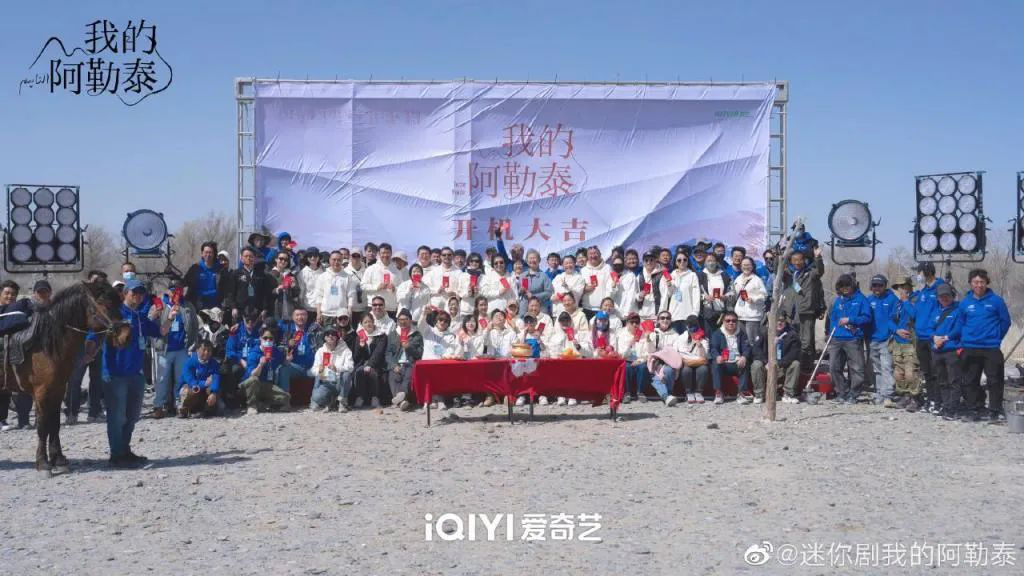
In addition, My Altay, a refreshing healing mini-drama adapted from the prose of the same name by writer Li Juan, was officially launched at the end of last month, which not only filled the gap in the current market of Xinjiang-themed film and television dramas, but also gave Xinjiang writers a certain degree of social attention and topic discussion. In addition to My Altay, Li Juan also has a series of nonfiction prose collections such as Sheep Road Trilogy (composed of Spring Ranch, Summer Ranch in the Front Mountain and Summer Ranch in the Deep Mountain), Winter Ranch, Far Sunflower Field and Nine Snowflakes. Whether these works can further develop and expand the content layout of Xinjiang film and television themes in the future depends on the broadcast effect of My Altay.
Backed by the decline of publishing industry and the development of online literature, the existence and influence of the original author gradually weakened in the process of film and television adaptation of works. Nowadays, these authors with strong regional attributes have emerged in the film and television industry, which not only escorts the literary adaptation of film and television works, but also helps to enhance their own popularity, and even can endorse literary works in their respective regions.
Conclusion:
In the past, film and television dramas set in Beijing and Shanghai satisfied the audience’s yearning and pursuit of metropolis, and related content topics also accurately poked the pain points of urbanites, which led to the upsurge of watching dramas for the whole people. Nowadays, the creative tentacles of film and television dramas extend to more cities, which not only provides more creative space and forms of expression for the story content, but also can simultaneously export the local natural scenery and cultural features, so that the audience can’t help but yearn for it, thus driving the diversified development of local cultural tourism and the development of local culture.
Rather than saying that the current film and television creators are stepping out of the comfort zone of Beijing-style dramas and Shanghai-style dramas, it is better to say that the pattern and vision of film and television industry creation are fully opened, and regional dramas are pushed into the stage of multi-point flowering. In this way, the film and television IP, which is contemporary, artistic and regional, not only upgrades the audience’s audio-visual experience, but also carries a deeper social value and humanistic value, providing an effective guide for the entertainment industry to explore the next film and television outlet.
* Original article, please indicate the source when reprinting.