Investigation on the trend of renaming colleges and universities At least 65 colleges and universities have removed the word "occupation"
  It seems that another wave of renaming colleges and universities is coming to the fore.

  On January 20th, the official website of the Ministry of Education published the Public Notice of the Development Planning Department on the inclusion of 2017 application settings in experts’ inspection of colleges and universities, and 46 colleges and universities were selected in the list, including 21 newly established undergraduate schools, 16 renamed universities, 6 transformed independent colleges into independent private undergraduate schools and 3 renamed schools at the same level.

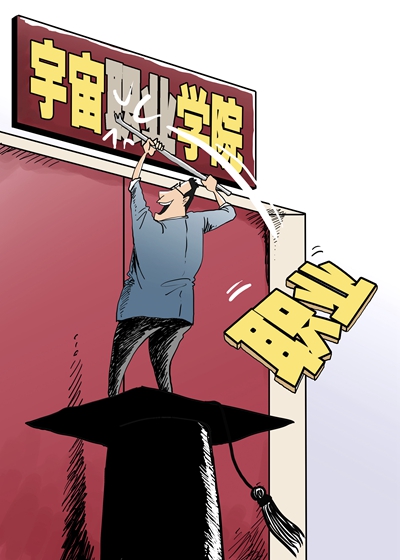
  Remarkably, among the 21 "newly established undergraduate schools", there are 16 schools whose "school foundation" (that is, the existing school name before the proposed change — — Reporter’s note) "includes the words" occupation "or" vocational technology ",and its" name of the school to be applied for (that is, the name of the new school to be changed — — Reporter’s note), erase "occupation" or "professional technology".

  The name of a university is the signboard of the school, the "business card" of the school, and one of the most important carriers of its historical tradition, cultural concept, spiritual temperament and brand image. According to the current "Interim Provisions on the Establishment of Ordinary Undergraduate Schools", colleges and universities implement the system of one name per school. In order to have a more favorite "name", some colleges and universities seem to have decided not to "change their names, sit and change their surnames".

  China Youth Daily Zhongqing Online reporter collected the news of the renaming of colleges and universities in the past 10 years, trying to find the law.

  Four trends of renaming colleges and universities

  China Youth Daily Zhongqing Online reporter inquired about the renaming information of relevant universities and found that during the wave of university merger at the end of last century, most of the school names were "eat small fish the Big Fish", and some of them introduced brand-new school names. After entering the new century, there are several main trends in the renaming of colleges and universities in China:

  First, the area to be involved is getting bigger and bigger. A typical case is that in 1978, Luzhou Medical College was renamed as Luzhou Medical College. In 2015, it was renamed as Sichuan Medical University, and at the end of the same year, it was renamed as Southwest Medical University again.

  The second is to change the nature and category of schools. Realize the junior college — — College — — With the change of universities, it seems that the "running level" is becoming more and more "high-end", which is the most common situation.

  Third, the words used to define the types of disciplines are becoming more and more fashionable and comprehensive. For example, replace finance and taxation with finance, electromechanical with engineering school, railway with transportation, geology with engineering, steel with science and technology, geology with engineering, etc.

  Fourth, take off the "professional" hat. Remove the word "occupation" or "vocational technology" from the name of the school. According to the public information, China Youth Daily and Zhongqing Online reporter found that at least 65 colleges and universities have completed the renaming in the fourth case mentioned above, and this data does not include the 16 newly publicized ones that are likely to eventually complete the renaming.

  According to the information held by China Youth Daily and Zhongqing Online reporter, as early as March 2005, there was a school testing the water "the name of the school went to ‘ Occupation ’ Change. " At that time, a private university in northwest China reduced its name from eight words to six words, and the two words removed were "occupation". In May of that year, another private university in the same city successfully completed the same choice.

  Their choices at that time seemed "avant-garde" and "visionary". At that time, vocational education was in the ascendant, and many schools added the words "occupation" or "vocational technology" to their school names.

  For example, in 2008, the Ministry of Education issued a letter [2008] No.165 agreeing to put nine higher vocational and technical schools on record. In four of them, the words "occupation" or "vocational technology" were not included in the original school names, but were added in the new school names; The other five newly-built schools have the word "occupation" in their names.

  However, on the whole, among the schools that have been shortlisted for higher education, "the name of the school goes to ‘ Occupation ’ The trend of "subtraction" is more common, and many schools are keen on "subtraction" in this way.

  In 2008, the first wave of climax hit. In that year, at least 12 colleges and universities removed the words "occupation" or "vocational technology" from their names. After renaming, these colleges and universities were all promoted to private undergraduate courses. One of them was listed in the "renaming at the same level" list released by the Ministry of Education a few days ago. In other words, the school is committed to renaming again.

  Since then, in 2010, a public university has changed its name from "occupation" to "college".

  In 2011, the second wave of climax was ushered in. In that year, 18 schools "scratched out" the words "occupation" or "vocational technology" in their school names. As in the above situation, these schools are all private colleges and universities at the undergraduate level after renaming.

  In 2012, another school successfully followed suit.

  In 2014, the third wave and the biggest one so far appeared. In that year, 24 schools "took off" the "hat" of "occupation" or "vocational technology" in their school names. Like the previous times, 24 schools are private colleges and universities at the undergraduate level after renaming.

  In 2015, two universities in South China achieved the same goal; In the same year, a public vocational and technical college was upgraded to an ordinary undergraduate college and renamed a special education normal college, and the word "occupation" was also removed.

  Since then, not many colleges and universities have successfully walked out of this road: in 2016, a university in North China erased the word "professional technology" in its name; In 2017, a public vocational college was upgraded to undergraduate level, and the word "occupation" in the school name was removed.

  If more than 10 schools in the latest list published by the Ministry of Education can get their wishes, it will be that there will be more than 10 colleges and universities with the name "Go ‘ Occupation ’ "The fourth year.

  The reporter found that not all colleges and universities will choose to "do ‘ Occupation ’ Subtraction ". For example, in 2009, two higher vocational schools were renamed at the same level; In 2010, 12 higher vocational schools were renamed at the same level; In 2011, two higher vocational schools merged and 14 higher vocational schools were renamed at the same level. When they changed their names, they all kept the original words "occupation" or "vocational technology".

  During this period, there have also been cases where the word "occupation" has been added to the name of a university, but this practice is extremely rare. The reporter only inquired about a case in which Tianjin Teachers College of Engineering was renamed Tianjin Vocational and Technical Normal University — — Of course, "secondary schools" such as secondary schools and secondary vocational schools are changed to "colleges" or "colleges" that belong to the category of higher education. They were not universities before they were renamed.

  Generally speaking, there are not a few colleges and universities that have removed the word "occupation" from their school names, which has become a new phenomenon worthy of attention. In the minds of some schools, this is no doubt the same as "water flows downwards and people go upwards".

  In addition to obtaining the consent of official documents and renaming, there are also universities (public or private — — Editor’s note) is doing something that leads to the same goal in secret: the name of the school used in external publicity, intentionally or unintentionally "ignores" the words "occupation" or "professional technology".

  The name of the school determines the level?

  Why do colleges and universities frequently choose to remove the word "occupation" when renaming? China Youth Daily Zhongqing Online reporter noticed that the school name is not just a name, and every word in it may bring different social evaluations to the school.

  It seems that the name of the school is "very particular", and the use of different words will often be labeled as meaningful by some people.

  For example, the names of ordinary undergraduate schools are divided into "colleges" and "universities". According to the current rules, a college should have more than 5,000 full-time students. A university should have more than 8,000 full-time students, and the number of graduate students should not be less than 5% of the total number of full-time students.

  In terms of disciplines and majors, a college should have more than one discipline as the main discipline in humanities (philosophy, literature, history), social sciences (economics, law, education), science, engineering, agriculture, medicine, management and other disciplines; As a university, it should have more than three disciplines as the main disciplines.

  In terms of teaching staff, there are no less than 280 full-time teachers in the early days of the school. The proportion of full-time teachers with graduate degrees in the total number of full-time teachers should not be less than 30%, and the number of full-time teachers with deputy senior professional and technical positions should generally not be less than 30% of the total number of full-time teachers, including full-time teachers with full professor positions should not be less than 10. The proportion of full-time teachers with postgraduate degrees in universities should generally reach more than 50%, and the proportion of full-time teachers with doctoral degrees in the total number of full-time teachers should generally reach more than 20%; The number of full-time teachers with senior professional and technical positions should generally be no less than 400, of which the number of full-time teachers with full professor positions should generally be no less than 100.

  In addition, in terms of teaching and scientific research level, it is called a university, and the requirements are relatively higher.

  However, should the words "occupation" or "vocational technology" be removed when being promoted to an undergraduate college? The reporter did not inquire about the regulations in this regard. In the current "Standards for the Establishment of Higher Vocational Schools (Provisional)", there is no such content at all.

  There is no doubt that some people in society may have some prejudice against schools with the word "occupation". However, under the background of more and more attention to vocational education, which has set a high employment rate and reputation, is it really as important as imagined that a college has a "career" name?

  Perhaps the answer is floating in the wind.

The Jetta VS5 with a price of 87,900 yuan is really fragrant and breaks 150 horsepower.

In terms of appearance, the new car adopts a brand-new family-style design language, and the hexagonal grille is matched with the matrix net, so the front face is highly recognizable. At the same time, the headlight group of the new car is integrated with the China Net and decorated with chrome trim. Viewed from the side, the lines of the new car are very straight, and the upper waistline runs through the headlight group to the taillight group, which is very smooth. The tail shape is very simple, and the internal structure of the taillight group is also complex, with high recognition. In addition, the new car adopts hidden exhaust, which looks very simple and simple as a whole.

In the interior, it is still the familiar popular style, and the overall center console is tilted to the driver’s side. In addition, the three-piece style has been strengthened in detail, and the 8.0-inch central control panel integrates the j-connect car networking system. In addition, the new car is also equipped with dual-zone automatic air conditioning, wireless charging, electronics, one-button start, rear air conditioning outlet, seat heating and other comfort configurations.

The length of the car is 4418mm, the width of the car body reaches 1841mm, and the wheelbase is 2630mm, which is quite satisfactory. In the same class, the wheelbase of Jetta VS5 ranks 170th. The interior space of the car is relatively spacious at the same level, the height and width of the car are ideal, and the legroom in the back row will not feel cramped, which belongs to the upper-middle level at the same level. The design of skylight also increases the subjective space feeling of front and rear passengers. Among the models of the same price and class, the trunk volume of Jetta VS5 ranks 72nd. It can basically meet the luggage space for family travel. But there is no extra hidden storage space.

Jetta VS5280TSI automatic flagship high-gloss version adopts 1.4 engine, with a maximum horsepower of 150 and a peak torque of 250, matching the automatic manual transmission (AT) gearbox. It will definitely bring unforgettable control charm. Jetta VS5′ s official measured zero-acceleration score is 10S, ranking 178th among SUV models with more than 800,000.

Jetta VS5 has complete active/passive safety configuration, includingAutomatic parkingZero tire pressure endurance tireAutomatic parkingSteep slope descenthill start assist controlknee airbagHUD head-up displayAnti-lock braking (ABS)Braking force distribution (EBD/CBC, etc.)Brake assist (EBA/BAS, etc.)Traction control (ASR/TCS, etc.)Active noise reductionEngine start and stopSide safety air curtainWireless charging of mobile phonenight vision systemLED daytime running lightsForward reversing radarTire pressure monitoringSteering wheel heatingBody stability control (ESP/DSC, etc.)Rear reversing radarFatigue reminderRemote parkingChild seat interfaceLane keeping (LKAS)Equal configuration.

Among them,Automatic parkingYou can avoid stepping on the brakes for a long time or needing to pull frequently;Steep slope descentCan safely pass through steep slope road conditions at low speed;knee airbagReduce the injury of the car interior to the occupant’s knees in the secondary collision.

In order to get a more comprehensive and objective understanding of Jetta VS5, you can go to the Easy Car Jetta VS5 Forum and browse the messages of users who have bought this car in history.

How to continue to write the business legend of "creating a generation" in the intergenerational inheritance of private enterprises

  On March 1st, there was a heavy news from Country Garden, a leading real estate enterprise: Yang Guoqiang, the chairman and executive director of the company’s board of directors, resigned due to his age, and was replaced by his daughter and co-chairman, Yang Huiyan, with effect from March 1st, 2023.

  In this regard, Yan Yuejin, research director of Yiju Research Institute, told the Securities Daily reporter that the resignation event was generally in line with expectations. At present, private enterprises are experiencing an intensive period of replacement of old and new, and some founders of enterprises will indeed enter the stage of resignation because of their age, so it is also a normal adjustment in itself. At the same time, the growth of Country Garden is closely related to the rapid development of urbanization in China. It is precisely because it has seized this dividend and its business scale has expanded rapidly. It is an outstanding representative of the rise of housing enterprises under the background of urbanization. At present, the replacement of old and new, how to seek new space on the basis of a new round of urbanization, this is also the content that investors pay more attention to.

  Yang Guoqiang is 69 years old. As one of the earliest real estate entrepreneurs in China, he founded Country Garden in the early 1990s, and its famous super-market model well stepped on the rhythm of China’s new urbanization construction and achieved rapid success. In 2017, Country Garden became the first real estate enterprise to break through the threshold of 500 billion yuan and remained at the top of the country at the end of the year. Also in the same year, Country Garden ranked among the Fortune 500 for the first time, ranking 467th. By 2022, its ranking has climbed to 138th.

  In 2022, when the real estate industry in China suffered from extreme cold, its scale shrank, the loan stopped and spread, and the news of thunder storm broke out from time to time. Country Garden’s business and sales maintained a rare stability, and there was no delay in paying the principal and interest due to breach of contract, and it became a model private real estate enterprise with benchmark significance, showing sufficient resilience.

  At present, the real estate industry in China has just passed through the cold winter and is gradually showing a good trend. Under such a special background, Yang Huiyan took over Country Garden, which has also become an observation model for China’s modern private economy to do a good job in enterprise inheritance. After taking over the real estate aircraft carrier, can Yang Huiyan successfully carry on the business mission? Under the leadership of a new generation of successors, where will Country Garden go?

  Expected succession

  China’s reform and opening up has been promoted for more than 40 years. Over the past 40 years, the earliest batch of private entrepreneurs in China have created unprecedented wealth through hard exploration in the wave of reform dividend and urbanization. Forty years later, most of these entrepreneurs are over 60 years old, and they are beginning to face a new challenge-corporate inheritance.

  Yang Huiyan was born in 1981, the second daughter of Yang Guoqiang. As early as the eve of Country Garden’s listing in 2007, when Yang Guoqiang transferred all the shares of the company worth tens of billions of yuan to Yang Huiyan, she had stepped into the public eye and attracted much attention.

  "The inheritance of an enterprise is still a realistic development trend in the China real estate market in the next decade, whether from the traditional concept of" inheriting the father’s business "in China or from the transformation and upgrading process of the enterprise itself. Because blood is the best contract. " Gao Xianlin, vice president and senior partner of Hanjia Real Estate Consulting Co., Ltd., has quite representative views. In fact, among private entrepreneurs in the United States, Europe, Japan and Southeast Asia, there have been many classic examples of the inheritance of family businesses, and it is not uncommon to see the legend of family fortune that lasted for more than one or two hundred years. Of course, this traditional way of inheritance also has potential risks, such as whether the quality of the successor can meet the requirements and take charge of the enterprise well after inheritance.

  Yang Guoqiang’s train of thought about children is very similar to Li Ka-shing’s. Like Li Zeju and Li Zekai, Yang Huiyan and his sister had the opportunity to sit in on the work assigned by their father at the board meeting at an early age.

  Since joining Country Garden in 2005, she has worked in important business departments such as investment planning center, purchasing department, human resource management center and digital management center and held major management positions. In 2012, she became the vice chairman of the board of directors of the group, and in 2018, she was transferred to be the co-chairman of the board of directors. It has been 18 years since it successfully led the listing of Country Garden education sector and the spin-off listing of property sector. In fact, the industry had long expected Yang Huiyan to take over Country Garden.

  According to insiders of the company, during his term as co-chairman, he has jointly managed the daily work of the Group with Yang Guoqiang, and was responsible for the strategic investment and new business development of the Group, and his working ability has been highly recognized by the board of directors. Yang Guoqiang’s efforts to cultivate Yang Huiyan can be described as foresight and careful layout, and it has also laid a thick enough safety mat for the long-term stable operation of enterprises.

  The successor’s new topic

  The market also gave positive feedback to Country Garden’s takeover. On March 1, Country Garden’s share price closed up 8.33%.

  The inheritance of successors is not a stick-in-the-stick in the traditional sense. At present, the real estate market in China is in transition to a new development mode. How to adapt to the changing times and maintain the development competitiveness under the new situation is not only a new challenge and a new topic, but also provides a new stage for successors to show their talents.

  Still taking Country Garden as an example, in recent years, Country Garden has strategically laid out new businesses such as construction robots and modern agriculture, which have achieved initial results, and construction robots have made a series of major breakthroughs. As of January, 2023, Guangdong Bozhilin Robot Company, a subsidiary of Country Garden, has put 33 construction robots into commercial application, with a cumulative application construction area of over 10 million square meters. In addition, Country Garden has also set up a Science and Technology Building Group, focusing on the promotion and application of the smart construction system of science and technology, which integrates advanced technologies such as construction robots, BIM digitalization and new prefabricated buildings.

  Some insiders pointed out that smart construction is expected to bring a new look to the traditional construction industry, and it is also a great weapon for the real estate industry to cope with the new cycle, which will surely win more development space for the enterprises themselves and even the whole industry. In the exploration of new technologies and new business models, a new generation of entrepreneurs may have natural advantages. From this perspective, it may be just the right time for Yang Huiyan to take over Country Garden at such a special moment.

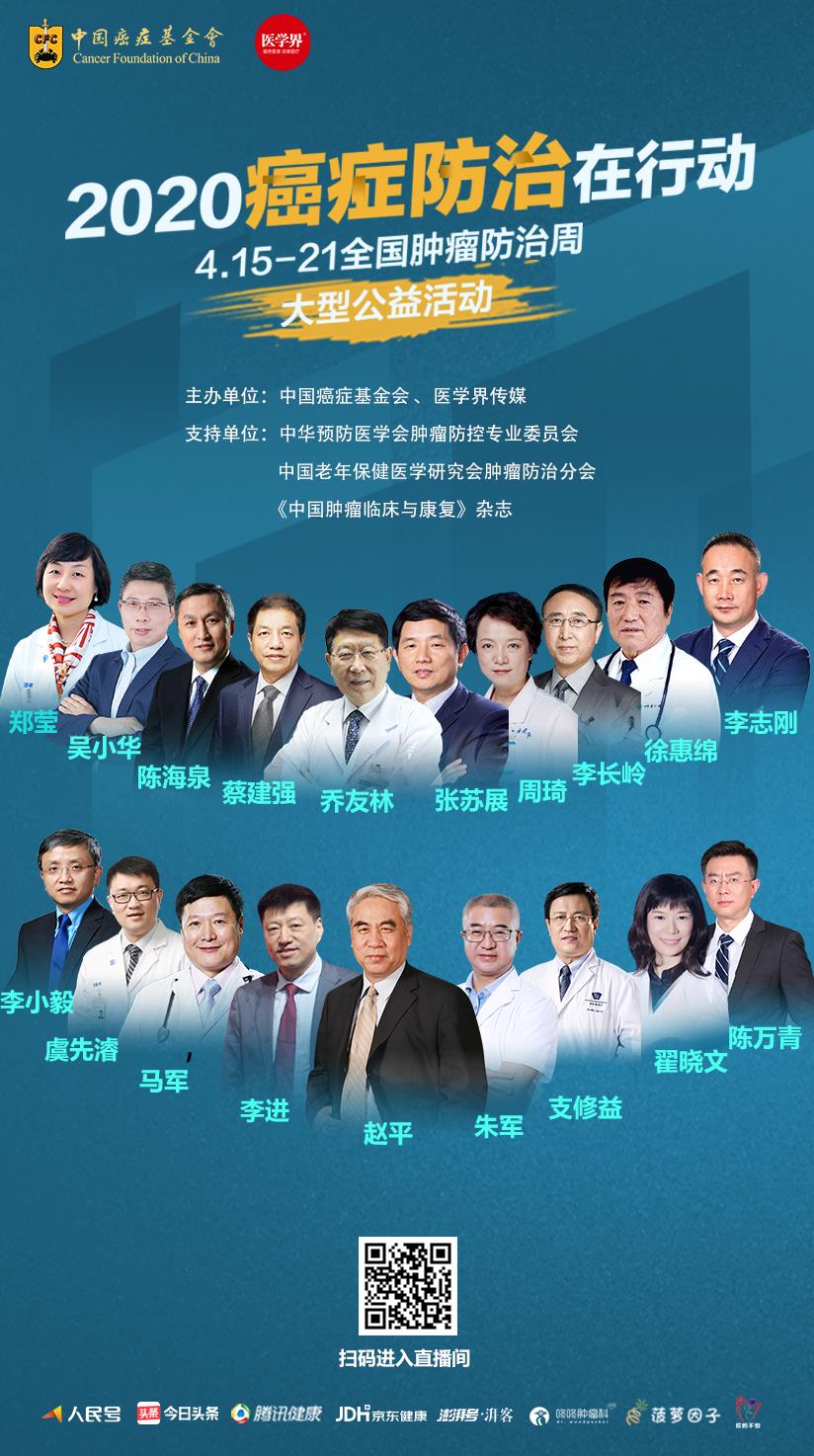
Cancer Prevention Publicity Week | Chen Haiquan: Screening lung cancer, it is not necessary for non-high-risk groups to do CT once a year.

The World Health Organization has put forward that "one third of cancers can be completely prevented"-the so-called cancer prevention lies in "prevention". In China, lung cancer ranks first in terms of morbidity and mortality, so it is the top priority of prevention and control. On the occasion of the National Cancer Prevention and Control Publicity Week, China Cancer Foundation and the "medical community" hosted the "2020 Cancer Prevention and Control in Action" activity, and invited Professor Chen Haiquan from the Department of Thoracic Surgery of the Cancer Hospital affiliated to Fudan University to tell us about lung cancer screening and prevention and control.

We have summed up five key words of Professor Chen Haiquan about early lung cancer screening and treatment. Come and take notes ~

01

Keywords: 1. Popularization of low-dose CT

When the sun rises in the east and it rains in the west, LDCT becomes a sharp tool for early lung cancer screening.

The National Lung Cancer Screening Test (NLST) began in 2002. A total of 53,454 smokers aged 55-74 from 33 research sites in the United States were randomly assigned to the LDCT group and the X-ray chest film group for regular lung cancer screening. The results of 6.5 years’ follow-up show that the screening of low-dose spiral LDCT once a year for three years in high-risk groups can increase the detection rate of lung cancer by 13% and reduce the mortality rate by 20%. NLST research is of great significance in the field of lung cancer screening. Because of ending the long-term controversy about whether LDCT can reduce lung cancer mortality, the research ended ahead of schedule and was published in the New England Journal of Medicine.

Different from the West, the cost of low-dose CT screening in China can be said to be affordable for everyone. In the United States, it was not until 2014 that the government medical insurance covered the cost of low-dose CT screening, and at present it only covers people over 65, while people under 65 can only be covered by private insurance. However, in China, the situation of low-dose CT lung cancer screening is very different from that in the United States. The cost of low-dose CT screening in China is only 200 RMB, which can be said to be only the price of a steak in the United States.

The examination fee of low-dose CT in China is very low, and the radiation dose of low-dose CT is reduced by 75%~90% compared with conventional CT. At the same time, compared with X-ray chest film, it can find tiny lesions of several millimeters and tumors with tricky positions. Then, since low-dose CT screening has good screening advantages and economic popularity, which groups are suitable for lung cancer screening? In the United States, at present, the only high-risk population in NLST trial that proves that LDCT screening is effective is: the age is 55 -74 years old, with at least 30 packs/year of smoking history, and if you quit smoking, the smoking cessation time is less than 15 years. It is recommended to conduct low-dose CT screening for this group of people every year. And slightly different from the United States, China suggested that low-dose CT screening of high-risk groups should be more extensive, including:

Age ≥40 years old, and have any of the following risk factors:

1. Smoking ≥20 packs/year (or 400 packs/year), or smoking ≥20 packs/year (or 400 packs/year) and quitting smoking for < 15 years;

2 environmental or high-risk occupational exposure history (such as asbestos, beryllium, uranium, radon and other contacts);

3. Chronic obstructive pulmonary disease, diffuse pulmonary fibrosis or previous history of tuberculosis;

4. Those who have suffered from malignant tumors or have a family history of lung cancer.

02

Keyword 2: Pay attention to new high-risk groups

New high-risk groups have emerged: young people, non-smokers and women.

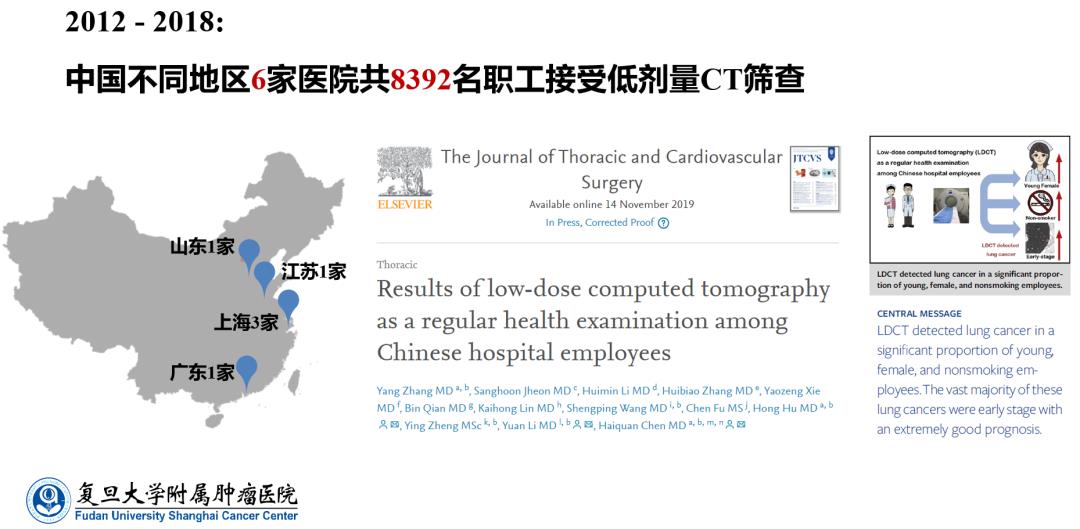
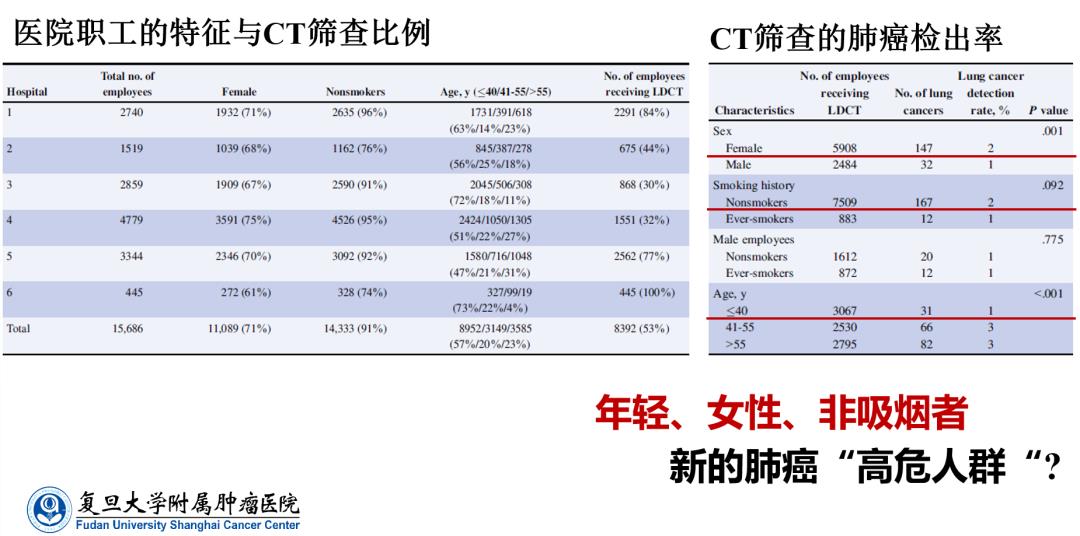
In 2013 -2014, the thoracic surgery team of Fudan University Cancer Hospital conducted a LDCT lung cancer screening study (FUSCC) on residents in Minhang, Shanghai, and found a special group of lung cancer-young, non-smoking women. This subverts people’s previous cognition of high-risk groups of lung cancer (old age, smoking, male). In order to confirm this situation, the research team once again conducted LDCT screening on 8,392 hospital employees from 6 hospitals in different regions of China.

The results show that among 179 employees with lung cancer screened by CT, 147 are women, accounting for 82.1%, and only 32 are men. In terms of smoking habits, 167 people are non-smokers, accounting for 93.3%. The detection rate of women was 2.5%, which was significantly higher than that of men (1.3%). Among workers under 40 years old, the detection rate of lung cancer reached 1.0%. Therefore, this study once again pointed the high-risk group of lung cancer to young people, women and non-smokers.

Generally speaking, with the popularization of LDCT in China, the detection rate of early lung cancer has been greatly improved in the past 10 years. A phenomenon that cannot be ignored is that the incidence of lung cancer in China has increased significantly among young people, women and non-smokers. Therefore, this also poses two major challenges for our early lung cancer screening in the future:

1. Compared with the traditional definition of high-risk groups (old age, smoking, male), how to screen new high-risk groups such as "young, non-smoking, female"?

2. It is very important to study the etiology of young non-smoking female lung cancer population. How to further determine it in the future?

For more information on this topic, see: Do non-smoking women get more lung cancer? He pushed the "China issue" to the international level …

03

Keyword 3: Reasonable CT screening

The screening of early lung cancer is not covered by the whole population from young to old, but must distinguish between high-risk groups and low-risk groups. In view of the above-mentioned high-risk groups of lung cancer, it is recommended to conduct low-dose CT screening once a year; For low-risk people, CT screening can be accepted. If the result is negative, and if you keep a healthy lifestyle, you don’t need to check it every year. According to different age groups, you can choose to do CT screening every 3 years, 5 years and 10 years.

In addition, we also need to realize that CT can accumulate toxic dose, which will cause certain harm to human body. Because the screening methods of low-dose technology are harmful, according to the model of radiation hazard of atomic bomb explosion, it is estimated that in NLST screening test, one out of every 2,500 participants died of radiation. In addition, according to the current research data, in fact, most lung cancer patients are found in high-risk groups, such as smoking history, family history of cancer and so on. For non-high-risk groups, what we are emphasizing at present is to minimize unnecessary CT screening.

04

Keyword 4: GGO≠ Early lung cancer

Ground-glass nodules (GGO) are common in various lung diseases such as inflammation, edema, fibrosis and tumor. With the wide application of LDCT screening in clinic, we found that most of the lung cancers screened in China are asymptomatic, and most of them are GGO on CT. Therefore, it can be said that ground-glass nodular lung cancer has become the main target of lung surgery in China, but there is no conclusion on how to standardize the diagnosis and treatment of GGO.

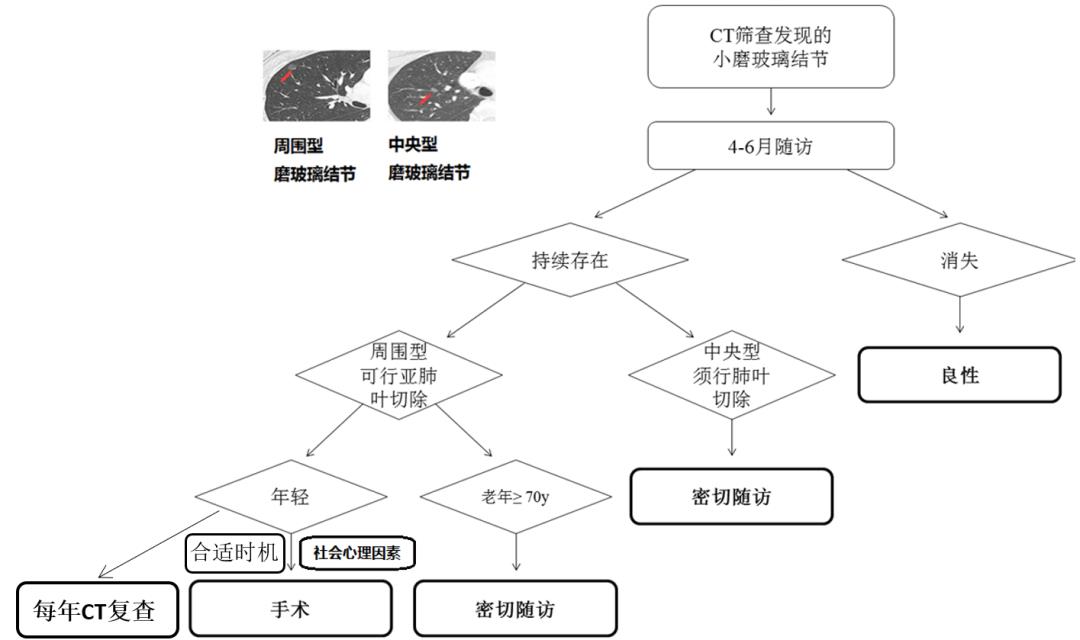
In the past, patients were worried and hoped for an early operation after being diagnosed with GGO, so as to avoid future troubles. But in fact, the diagnosis of "pure ground glass nodular lung cancer" should wait and see; If there is a growing trend of pure ground glass nodules, reconsider the operation. Therefore, for GGO, we should pay more attention to close follow-up. If the lesions become larger, the density becomes solid and the solid components increase during the review, this nodule may become cancerous, so it needs timely treatment.

Treatment process of pulmonary small GGO found by CT (Fudan standard)

05

Keyword 5: Avoid excessive diagnosis and treatment

In the process of early screening of lung cancer, LDCT can effectively improve the detection rate and reduce the mortality rate, but some studies show that 18.5% of lung cancer found by CT screening is overdiagnosed. Clinically, how to avoid "overdiagnosis" and "overtreatment" is also an important issue. The so-called overdiagnosis and overtreatment are nothing more than treating benign lesions as malignant tumors, treating early tumors as advanced tumors, and treating inert tumors as rapidly progressing tumors.

In order to avoid the "excessive" problem, the Department of Thoracic Surgery of Fudan University Cancer Hospital has established a standardized treatment process for follow-up and intervention of ground-glass pulmonary nodules. In recent 10 years, the benign rate of lung surgery is less than 10%. In addition, the research team also took the lead in proposing the innovative concept of "Minimally Invasive 3.0" in the world, and proposed for the first time to guide the surgical resection scope of lung adenocarcinoma through intraoperative frozen pathology. Under the guidance of intraoperative frozen pathology, the diagnostic accuracy of differentiating pre-invasive adenocarcinoma from invasive adenocarcinoma can reach 96.1%. For pre-invasive adenocarcinoma (in situ adenocarcinoma or micro-invasive adenocarcinoma), sub-lobectomy is enough, while for invasive adenocarcinoma, standard lobectomy plus systematic lymph node dissection is adopted.

For patients with atypical adenomatous hyperplasia/adenocarcinoma in situ/microinvasive adenocarcinoma, the 5-year recurrence-free survival rate of patients after lobectomy is 100%. The study was published in Journal of Clinical Oncology in 2016, which also means that early lung cancer surgery has taken an important step towards accurate and individualized treatment.

Wonderful view

1. What do you think are the main reasons for the abnormal increase in the incidence of lung cancer among non-smoking women? How to treat this phenomenon?

Professor Chen Haiquan:

Smoking is still a high-risk factor of lung cancer: in recent ten years, although we have found that the incidence of lung cancer in non-smoking women has increased, there may be high-risk factors other than smoking, such as second-hand smoke, kitchen fumes, air pollution, etc., but the cause can not be determined at present, and further research is still needed. The incidence of lung cancer in non-smokers is increasing, but it doesn’t mean that quitting smoking can’t prevent lung cancer. Smoking is still a high risk factor for lung cancer. Smoking lung cancer and non-smoking lung cancer are actually two diseases. For preventing lung cancer, quitting smoking is still an effective method.

2. How do we conduct standardized lung cancer screening? How much is once in a while?

Professor Chen Haiquan:

Emphasis on standardized screening of lung cancer: we divide the screening of lung cancer into high-risk and low-risk groups. Even though we say that low-dose spiral CT screening of lung cancer is economical and effective, it is not aimed at all the people. For people with high risk factors such as smoking, genetic history and environmental exposure, we suggest that low-dose CT screening can be carried out once a year; For non-high-risk people with healthy lifestyles, if you have to screen for lung cancer, you can consider reducing the frequency and it is completely unnecessary to do it every year.

3. What are the early symptoms of lung cancer? Can you detect it in your daily life?

Professor Chen Haiquan:

Early lung cancer generally has no obvious symptoms: in clinic, most lung cancer patients have clinical symptoms and then go to the hospital for treatment, which is late. Under normal circumstances, even if there is a mass with a diameter of 2 to 3 cm in the lung, we actually don’t notice any obvious influence from our physical condition. However, in ordinary life, we can pay more attention to it. If there is irritating dry cough and secondary infection, there may be expectoration. Phlegm and blood; Bright red or mixed with foam sputum and other symptoms; Or there are clubbed fingers (toes) or bone and joint hypertrophy, male breast development and other "extra-pulmonary symptoms", so we should be vigilant and go to the hospital for CT screening in time.

Doctor-patient question and answer

1. I am 36 years old. In August, 2018, my left upper lung apex was resected, and I was diagnosed as a tiny invasive adenocarcinoma. At an early stage, the doctor said that I didn’t need chemotherapy or medicine. Here I would like to consult Professor Chen and give some advice on regular check-up, diet and exercise direction. Is it necessary to do genetic testing? At ordinary times, my lungs still feel a little swollen. (Do 3 to 4 CT reexaminations every year. Is exercise suitable for doing push-ups? )

Professor Chen Haiquan:

If the pathological result is micro-invasive adenocarcinoma, no adjuvant treatment is needed after operation. Such patients should be normal people’s work and life after operation. With regard to postoperative reexamination, 3-4 CT reexaminations per year are definitely too many. Although there is no guideline for the frequency of postoperative reexamination, many of our studies and foreign studies show that the recurrence rate of such patients is 100% in 5 years, so we suggest that CT reexamination should be done within half a year after operation. If all patients are normal and under 50 years old, they can be reexamined every 3-5 years.

2. Thin layers 23.52.81, 7*5 in both lungs, and two small glass nodules 52.55, 4 mm in the right lung. Do you want to deal with them? The local doctor told me to follow up after half a year, because I had left upper lobe resection two years ago, and this situation occurred in the follow-up visit this year. What should Professor Chen do?

Professor Chen Haiquan:

If the physical examination ct finds 4mm ground glass nodules, there will be no problem after one year.

3. In stage 1B of lung adenocarcinoma, 50% were papillae, 40% were acinus, 5% were microemulsion and 5% were solid. Involve pleura. EGFR19 mutation. Is it necessary to target prevention after chemotherapy?

Professor Chen Haiquan:

If it is stage IB lung cancer, the necessity of postoperative chemotherapy needs further study. Since it has been done, subsequent targeted therapy should be unnecessary.

Expert introduction

Professor Chen Haiquan

Chen Haiquan: Doctor of Medicine, chief physician, professor and doctoral supervisor. Director, Institute of Chest Tumor, Fudan University; Director, Department of Thoracic Surgery, Cancer Hospital Affiliated to Fudan University; Chief Expert, Multidisciplinary Diagnosis and Treatment Group of Chest Tumor; Director, Lung Cancer Prevention and Treatment Center. Former president of Shanghai Chest Hospital. Member of the American College of Thoracic Surgery (AATS) and member of the membership development committee (2016-2017). Member of Board of Education (2019-) International Director of American Association of Thoracic Surgeons (STS) (2016-2019), Member of European Association of Thoracic Surgeons (ESTS) and Director of Asian Association of Thoracic Cardiovascular Surgery (ASCVTS) (2016-). Vice president of thoracic surgeon branch of Chinese Medical Association, member of Standing Committee of Lung Cancer Committee of China Anti-Cancer Association, member of thoracic and cardiovascular surgery society of Chinese Medical Association, vice chairman of thoracic surgery branch of Shanghai Medical Association, and chairman of thoracic tumor committee of Shanghai Anti-Cancer Association. Editorial Board of J THORAC CARDIOV SUR, Deputy Editor-in-Chief of J CANCER RES CLIN, Editorial Board of Am J Transl Res and J Thorac Dis. He presided over two key projects of the National Natural Science Foundation, general projects, municipal and ministerial key scientific research projects, etc.

Internationally, we innovatively put forward "Minimally Invasive Lung Cancer 3.0", "Sublobar Resection Guided by Frozen Pathology" and "Selective Lymph Node Dissection in Lung Cancer Surgery". From 2013 to 2018, he was invited to give lectures at the American Society of Thoracic Surgery (AATS) every year. In 2016, he served as co-chairman of the 96th annual meeting of the American Society of Thoracic Surgery, and chairman of AATS Focus on Thoracic Surgery: China. In 2017, he served as the vice chairman of the joint meeting of the 9th Asian Thoracic Surgery Club (ATSC) and Korean Thoracic Surgery Oncology Association (KATSO). Since 2008, he has been invited to give lectures at the University of Pittsburgh Medical Center, Massachusetts General Hospital of Harvard University, Kettering Cancer Center in Si Long (MSKCC), Vanderbilt University Medical Center, Zurich University Medical Center, and Leuven University Medical Center. Since 2017, he has been invited to write four editorials for JTCVS. Schuster distinguished lecture ship, Brian Hospital, Harvard University, 2020. As a correspondent or the first author, he has published more than 170 papers in SCI journals such as Cancer Cell, JCO, ANN SURG, JTO, NC, CCR, Cancer, JTCVS, ANN THORAC SURG, etc.By the end of 2019, the innovative achievements of 16 papers and 20 sub-papers have been included in 10 international guidelines for diagnosis, treatment and molecular detection of lung cancer, such as ASCO, ESMO, IASLC and ACCP. Two papers were collected by UpToDate, an internationally renowned evidence-based medicine database.

Author: Huanhuan

Editor: Xu Jia

Cabbage price SAIC Volkswagen attacks Volkswagen and adds "new members"

In terms of modeling design, it basically continues the previous family-style overall modeling style. The car gas field continues the family design concept, and the shape of the front of the car is very domineering. The design of the sharp headlights on both sides and the internal light groups are patchy and bright. The side waistline that rises on the side creates a sense of readiness, which looks very sporty and helps to highlight the shape of Touang. The shape of the rear of the new car is very simple, with a tendency to protrude backwards, which is very playful, and the penetrating taillights of the new car are even more shocking.

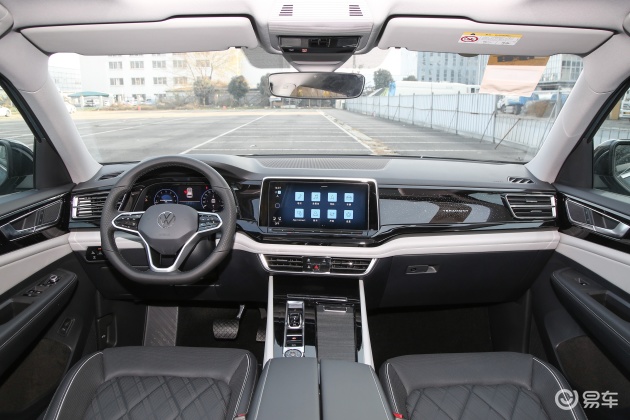
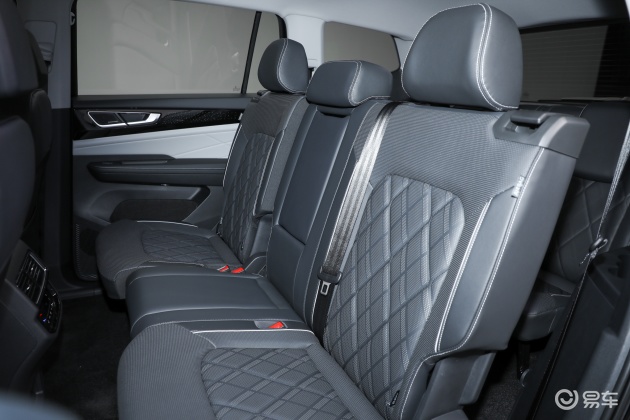
When you come to the interior of the car, the design of the interior of Tourang gives people the feeling that it is simple and atmospheric. The new car is also equipped with Volkswagen’s latest three-piece style, with shift paddles, which is very fun to drive. The center console is made of plastic and leather, and the materials and workmanship look quite satisfactory. It is equipped with an 8.0-inch central control LCD screen, which shows clearly and the design is relatively standard in all departments. The front row is also equipped with a dual-temperature automatic air conditioning control system to freely debug the most comfortable space atmosphere. The front and rear seats are relatively comfortable and can hold the family firmly.

The length, width and height are 5052×1989×1773mm respectively, and the wheelbase has reached 2980 mm. In the same class, the wheelbase of Touran ranks 56th. Touron 530 V6 four-wheel drive respects the flagship version of the skylight, which provides a wider view, can create a better visual environment and good sensitivity for the rear passengers, and increase the light intake for the whole vehicle. Among the models of the same price and class, the trunk volume of Tourang ranks 16th. The storage space in the car is quite satisfactory and basically sufficient. The interior space of the luggage compartment is relatively regular, with very good longitudinal depth and high expansibility, and the space performance is generally ideal.

Touran is equipped with a 2.5 engine with a maximum output of 220kW and a maximum torque of 500Nm. It will definitely bring unforgettable control charm. Touran’s official measured zero-acceleration score is 7.2S, ranking 158th among SUV models with more than 800,000.

Touran’s active/passive safety configuration is complete, includingAutomatic parkingZero tire pressure endurance tireAutomatic parkingSteep slope descenthill start assist controlknee airbagHUD head-up displayAnti-lock braking (ABS)Braking force distribution (EBD/CBC, etc.)Brake assist (EBA/BAS, etc.)Traction control (ASR/TCS, etc.)Active noise reductionEngine start and stopSide safety air curtainWireless charging of mobile phonenight vision systemLED daytime running lightsForward reversing radarTire pressure monitoringSteering wheel heatingBody stability control (ESP/DSC, etc.)Rear reversing radarFatigue reminderRemote parkingChild seat interfaceLane keeping (LKAS)Equal configuration.

Among them,Automatic parkingYou can avoid stepping on the brakes for a long time or needing to pull frequently;Steep slope descentCan safely pass through steep slope road conditions at low speed;knee airbagReduce the injury of the car interior to the occupant’s knees in the secondary collision.

In addition to the above description, we can also go to the Easy Car Forum to browse more real car feedback from actual buyers, or use our experience.

New Maiteng changes course, relying on the new Passat to re-enter the battle car market

  For a long time, competing with the same family has been the most hyped topic in the industry. As long as there is any trouble with one party’s model, the other party’s same-class car will inevitably be involved. And the new generation, which has just been listed and won numerous awards, has once again become the target of major media chase, and various comparisons with B7L are rampant.

  In fact, the B7L has not yet been listed, and various claims at this stage are still at the level of speculation and have not been confirmed by the official. After the listing, the price and configuration details have all been settled, and the market and consumers will naturally give the most fair judgment. But now it is hard not to think of the same dispute with Shanghai Passat before the listing of Maiteng in 2007. However, no matter how the industry predicts and analyzes before, it is ultimately up to the sales volume to speak.

New Maiteng

  The Volkswagen Maiteng went public in July 2007 with a high-profile listing, selling 3,490 units in September, while the Shanghai Volkswagen Passat led the sales of 11,046 units that month, which was three times the sales of Maiteng. This situation has not changed in the following years. Last year, the Passat sold more than 130,000 vehicles, while the Maiteng only sold more than 70,000 vehicles, a difference of nearly double. In contrast, since the launch of the Passat in November 2005, with excellent localization improvement and effective marketing promotion, it has always ranked among the top three in the mid- to high-end car market.

New Maiteng

  Judging from the real reaction of the market, FAW-Volkswagen Maiteng lost in the product and sales network. The Shanghai Volkswagen Passat led the way in response to the actual road conditions and oil conditions in China, and carried out strict debugging and appropriate improvement of important accessories such as chassis, powertrain system, front and rear bumpers, grille, and hood. Not only that, but Shanghai Volkswagen also took into account the special needs of Chinese consumers for interior configuration, BOSCH 68 audio, independent three-screen entertainment system, a full range of leather luxury electronic control seats, dual electronic fans, automatic anti-clip sunroof, Bluetooth mobile phone system, rain sensor, automatic anti-glare rearview mirror, satellite navigation, and PDC, declaring that humanized configuration is no longer just a synonym for Japanese cars.

New Maiteng

  In addition to products, Shanghai Volkswagen’s strong sales and after-sales services network has also become one of the boosters. Compared with FAW-Volkswagen, Maiteng did not have much sales experience before, and Maiteng’s failure reflects the shortcomings of FAW-Volkswagen’s sales network on the other hand. Perhaps after the B7L is listed, FAW-Volkswagen will not be as passive as it was a few years ago, but in terms of experience, it will be difficult to match the Shanghai Volkswagen sales network that has more than 20 years of experience in a few years. The battle between Maiteng and Passat to lead the same door in 2007 has become a thing of the past. After the B7L is listed, the strength and weakness of the new generation of Passat will eventually need to be determined through the market.

FAW Toyota 2022’s new Crown brand was released, and the first mid-sized luxury SUV made its domestic debut

Beijing News Shell Finance News (Reporter Wang Linlin) On November 15, the Beijing News Shell Finance reporter learned from the FAW Toyota official that the FAW Toyota Crown brand’s first medium-sized luxury crossoverSUVThe new Crown SportCross was officially unveiled. FAW Toyota said that in addition to the launch of the new Crown SportCross, the new Crown brand will be strategically refreshed from five dimensions: product matrix, process level, channel network, service system, and user rights.

Appearance and strength coexist! Geely Star Wish from 7.88W on pre-sale has triggered a pre-sale boom

Geely Automobile’s carefully crafted new pure electric sedan, which has officially opened the pre-sale, is priced between 78,800 yuan and 107,800 yuan. This affordable price strategy, coupled with a variety of configuration options, has injected a strong new force into the market.IMG_256

Star Wish has launched seven body colors with its unique design aesthetics, not only satisfying consumers’ pursuit of personalization, but also with its 413518051570mm compact body and 2650mm wheelbase, accurately positioning itself in the small car market segment, forming a direct dialogue with popular models such as BYD and BYD, indicating that a fierce competition is about to take place.

In terms of power performance, Star Wish demonstrates Geely’s deep accumulation in the field of electric technology, providing two high-efficiency single motor options, with power output of 79 horsepower and 116 horsepower respectively, to meet different driving needs. The whole series is equipped with standard Ningde era batteries and advanced liquid-cooled temperature control system, ensuring the high energy density (185Wh/kg) of the battery and excellent safety. The range covers 310km to 410km, making it easy to cope with daily commutes and short trips. It is particularly worth mentioning that its fast charging technology is impressive, it can be charged from 30% to 80% in only 24 minutes, and the short 10-minute charging time can add about 120km of driving range to the vehicle, greatly relieving the user’s endurance anxiety.IMG_257

In terms of configuration, Star Wish is also full of sincerity. Even the youth version, which starts at 78,800 yuan, has been equipped with high-end configurations such as independent suspension, layout, and self-developed 11-in-1 intelligent electric drive system. At the same time, it is integrated into the Galaxy Flyme Auto intelligent car system to achieve seamless handcar interconnection and bring users a convenient intelligent travel experience. In terms of safety, Star Wish is equipped with a Aegis battery safety system as standard, combined with the Star Armor cage body design, to build a comprehensive safety net.IMG_258

With the launch of the Star Wish UP series, Geely has taken comfort and luxury to a new height. While retaining the advantages of the basic version, the Exploration Edition and the Exploration + Edition further enrich the comfort configuration and intelligent experience. The two-color body and L2-level intelligent driving assistance system presented for a limited time add another highlight to the cost performance of this car. The launch of Geely Star Wish’s pre-sale not only highlights Geely’s profound strength and forward-looking layout in the field of pure electric vehicles, but also brings a new force that cannot be underestimated to the small car market, indicating that a new round of market structure changes are coming.

The trial of a Beijing truck that flattened a taxi began, and the driver admitted to overloading

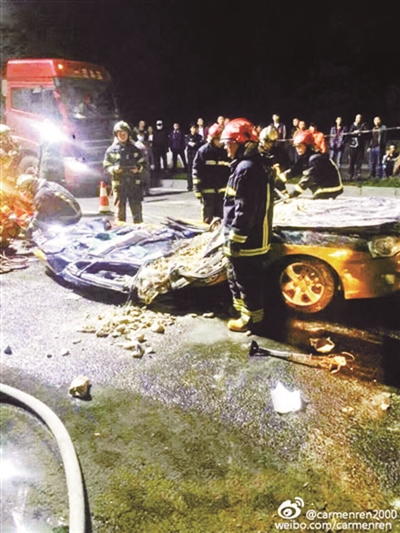
  The taxi that was squashed at the time of the incident, photo provided by the Internet

  The driver of the truck, Wang Chenglong, was tried in Tongzhou District Court yesterday on suspicion of causing a traffic accident in a car accident in Tongzhou District last October, in which a large truck overturned and crushed onto a taxi waiting for a red light, killing the taxi driver. Wang Chenglong said that the truck was seriously overloaded at the time, and during the driving process, he made a sharp turn to the right to prevent hitting another car that was connected to the line, causing the vehicle to overturn and suppress the taxi. The public prosecution agency recommended a sentence of one to one and a half years, but the case was not handed down in court.

  Prosecutors allege

  Investigate the criminal responsibility of large truck drivers

  Yesterday morning, the case was heard in the Tongzhou District Court. Prosecutors alleged that at around 22:9 on October 17, 2016, Wang Chenglong drove a heavy dump truck to the east entrance of Yaoxinzhuang Village, Jingtang Road, Tongzhou District. In order to avoid the car merging from the right lane, the truck rolled over in the right direction, causing the truck and the rocks on the truck to be buried in the taxi waiting for the traffic light. The 39-year-old taxi driver Li died on the spot.

  The Tongzhou Detachment of the Public Security Traffic Administration of the Beijing Municipal Public Security Bureau determined that Wang Chenglong was primarily responsible for the accident, and that Ding, the driver of the car, was primarily responsible for the accident, while Li, the deceased, was not responsible.

  After the accident, Wang Chenglong surrendered to the police at the scene. The public prosecution organ believes that Wang Chenglong violated traffic regulations, resulting in a major accident that caused one death, and should be investigated for criminal responsibility for the crime of traffic accident. The public prosecution organ recommended that the sentence be fixed-term imprisonment for one to one and a half years, but the court did not pronounce the sentence in court.

  Big cargo driver

  Plead guilty in court to overloading

  During the trial, Wang Chenglong pleaded guilty. Wang Chenglong recalled that on the night of the crime, he drove the truck from Shunyi to Shijiao County. He had never traveled the road between the two places, so he followed another truck. The truck in front of him ran past the intersection when the signal light turned red. At this moment, a car suddenly forced the line to the motor vehicle lane where the truck was located, and stopped directly in front of the truck. Wang Chenglong hurriedly stepped on the brakes. Due to inertia, the vehicle still moved forward. In order to avoid hitting the car, Wang Chenglong turned the steering wheel to the right. As a result, the truck rolled over and pressed the taxi next to it.

  Wang Chenglong said that the truck he was driving had an approved cargo capacity of 12 tons, but 46 tons of stones were loaded on the truck that day, and overloading was also one of the reasons why the truck rolled over.

  parallel driver

  I didn’t know the accident was related to me until I read the news

  Ding, the driver of the car who was indirectly responsible for the accident, said that a truck in the left lane ran a red light at that time, so he parallel to the left lane, but did not observe whether there were other vehicles in the left rear at that time. After the line was merged, the signal light ahead turned red, and he stopped the car. At this time, a truck behind the car rolled over, and the stones on the car were scattered on the ground, burying the taxi next to it. After the signal light turned green, Ding drove away from the scene. Ding admitted that his parallel behavior violated traffic rules. Ding said that the next day, he saw online reports and videos, and found that the accident was related to his lane change.

  According to the provisions of the law on traffic accident, in such accidents, only the party responsible for the accident will be suspected of criminal offenses. Although the party responsible for the secondary accident should bear the corresponding civil liability, it does not involve criminal offenses.

  visit

  "The family mainly depends on him to support themselves."

  On the night of the incident, the taxi driver, Master Li, was driving on National Highway 103. When he passed the Yaoxinzhuang intersection, Master Li stopped in the parking line in accordance with traffic rules and waited for the red light to turn green. At this time, a large truck filled with stones suddenly turned sharply to the right in order to avoid another car that suddenly pressed the solid line and the line, resulting in a rollover. The truck, together with tons of stones, happened to be pressed against Master Li’s car.

  At 22:15 that night, Tongzhou Fire Yuqiao Squadron arrived at the scene and found that Master Li’s taxi was almost completely squashed by the truck. It was not until 0:01 a.m. on the 18th that firefighters rescued Master Li who was trapped in the car. After 999 on-site confirmation, Master Li had no vital signs.

  After the accident, a reporter from Beijing Youth Daily visited the home of taxi driver Master Li and interviewed the family members and neighbors of the deceased.

  As usual, the family members who cooked dinner at home did not expect that, just a 10-minute drive from home, Master Li would leave this world forever.

  After Master Li left, Mr. Dong, who lived next door, saw that Master Li’s wife no longer went out, "her face was bad and she rarely spoke." While Master Li’s mother sat on the bed, "wrapped in a quilt, tears streaming down her face."

  "He is a pillar of the family," Mr. Li’s relatives told the Beijing Youth Daily on the afternoon of the 20th. "If the pillar collapses, the sky will collapse."

  Before the accident, Mr. Li had a 93-year-old grandmother and a 70-year-old mother to support, and a 15-year-old daughter who was still in junior high school, according to his uncle. In addition, Master Li also has a sister who moved out after getting married.

  He has been driving taxis for more than a decade and earns about Rmb4,000 a month, according to his uncle, who said he had been rated an excellent driver by his taxi company. "The family mainly depends on him to support themselves, so he works every morning and every night."

  Mr. Dong is a tenant of the Li family. He told the Beiqing Daily reporter that he has rented the house in Master Li’s house for seven or eight years. In Mr. Dong’s mouth, Master Li is a particularly diligent and energetic person. "He goes out to work at 6 o’clock every morning and comes back at 10 o’clock in the evening. I haven’t seen him rest for a few days all year round."

  A reporter from Beiqing Daily saw the barber shop opened by Master Li and his wife near his home. Mr. Dong said that the barber shop was usually mainly run by Master Li’s wife, but Master Li often came to the store to help after returning from renting at night.

  In Mr. Dong’s impression, Mr. Li’s family has a good relationship. "He comes back to the taxi every day after 10 o’clock in the evening, and the family will make porridge and hot dishes to wait for him, and the family will have dinner together." This harmonious atmosphere is also transmitted to the neighborhood. Mr. Dong, who came to Beijing from Gansu to work as a migrant, said that he rented here seven or eight years ago and "has been unwilling to leave" since then. Mr. Dong feels that the estrangement between locals and outsiders has disappeared between Master Li’s family and himself. "Their family is warm to people and never cares about small things. During the New Year and holidays, they will call me to the house for dinner, and everyone will sit together to drink and chat." Mr. Dong said.

  On the evening of 3 days after the incident, a reporter from Beiqing Daily saw that Master Li’s sister and mother had sent relatives who had come to visit to the alley entrance. The street lamps were dim and the rain was slightly inclined. The sister helped the mother go home, and then the lights in the house came on, and the sound of cooking in the kitchen spread faintly outside.

  At the place where Master Li died that day, large trucks hurriedly drove through the intersection.

  By our reporters, Zhang Fan and Yang Lin

How to optimize nucleic acid detection and how to carry out home monitoring —— The press conference of joint prevention and control mechanism in the State Council responded to hot issues

  Xinhua News Agency, Beijing, December 8thQuestion: How to optimize nucleic acid detection and how to carry out home monitoring &mdash; &mdash; Press conference of the State Council joint defense and joint control mechanism responds to hot issues.

  Xinhua News Agency reporters Gu Tiancheng, Li Heng and Peng Yunjia

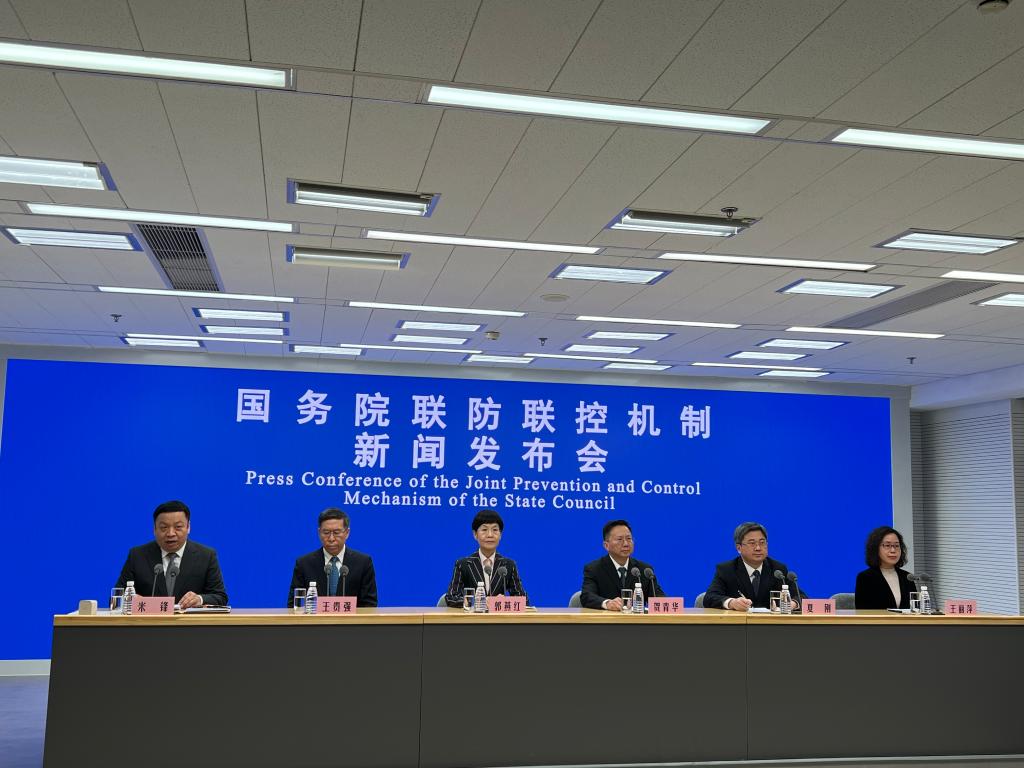
  Recently, the Comprehensive Group of Joint Prevention and Control Mechanism of the State Council has successively published several guiding documents, such as the Notice on Further Optimizing and Implementing the Prevention and Control Measures of COVID-19 Epidemic, the Guide for Home Treatment of Covid-19 Infected Persons, and the Application Scheme of Covid-19 Antigen Detection. On the 8th, the joint prevention and control mechanism of the State Council held a press conference, and made authoritative responses to hot issues such as optimizing nucleic acid detection, home monitoring and treatment, epidemic prevention and control in medical institutions, and vaccination for the elderly.

  The State Council joint defense and control mechanism press conference site. Xinhua News Agency reporter Gu Tiancheng photo

  How to optimize nucleic acid detection? Focus on high-risk areas and people

  "Further optimize nucleic acid detection, emphasizing the need to focus on areas and people with high risk of infection." He Qinghua, a first-class inspector of the Department of Transmission and Prevention of the National Bureau for Disease Control and Prevention, said that the scope and frequency of nucleic acid testing should be reduced mainly from four aspects.

  First, not to carry out all-staff nucleic acid testing according to administrative regions; Second, except for special places such as nursing homes, welfare homes, medical institutions, child care institutions, primary and secondary schools, negative proof of nucleic acid testing is not required; Third, no longer check the negative certificate or health code of nucleic acid testing for cross-regional migrants, and no longer carry out landing inspection; Fourth, according to the needs of epidemic prevention work, antigen testing can be carried out.

  Wang Liping, a researcher at the China Center for Disease Control and Prevention, introduced two categories of high-risk employees who need to carry out nucleic acid testing in accordance with relevant regulations: the first category is those with high risk of infection, such as entry personnel, staff in centralized isolation places, and medical staff in fever clinics; The second category is those with dense employees, frequent contacts and strong mobility, such as Shangchao staff, couriers, take-away staff and so on.

  How can medical staff reduce infection? Strengthen scientific protection and resource scheduling.

  Due to their special positions, medical staff will receive a large number of patients every day, so they are at high risk of infection.

  "In order to minimize the risk of occupational exposure of medical staff, the management of medical institutions must meet a series of requirements." Guo Yanhong, director of the Medical Emergency Department of the National Health and Wellness Commission, said.

  Guo Yanhong said, first, it is necessary to strengthen the management of key areas of medical institutions, such as fever clinics, emergency departments and wards. Medical staff should scientifically do personal protection, wear protective equipment, and strive to minimize the risk of occupational exposure. At the same time, it is necessary to strengthen the scheduling and preparation of medical resources.

  Second, we should implement various measures to care for medical personnel, do a good job in vaccination and health monitoring of medical personnel, especially dynamically optimize and adjust the grouping of medical personnel, the allocation of medical forces and the arrangement of work shifts.

  Third, medical institutions have a large flow of people and a large number of vulnerable people, so it is necessary to check the 48-hour negative nucleic acid certificate when entering medical institutions. Patients should do a good job of nucleic acid detection or antigen detection as early as possible. At the same time, once there is an emergency, even if the patient has no nucleic acid certificate, the treatment should be given priority to ensure the smooth development of the patient’s treatment.

  What can be monitored at home? Mild and asymptomatic infections

  "At present, the pathogenicity of Covid-19 Omicron virus strain has dropped significantly, and most of them are asymptomatic or mild after infection, so there are few severe cases." Wang Guiqiang, director of the Department of Infectious Diseases of the First Hospital of Peking University, said that most Covid-19-infected people can be observed and treated at home. During this period, personal health monitoring should be done well, and community doctors should be contacted at any time if there is any problem, and they should go to the hospital for treatment if necessary.

  Wang Guiqiang said that the purpose of home isolation and observation treatment is to treat patients in different levels more accurately and effectively. Personal protection should be done for people who are isolated at home, and contact with family members as little as possible, and if they contact, they should keep a certain distance.

  According to reports, the room where the home isolation personnel live should be ventilated every day, and it is best to use the bathroom alone and disinfect the environment frequently. When coughing or sneezing, cover it with a tissue. At the same time, personal belongings between people living together should not be mixed and separated as much as possible.

  How to protect high-risk people? Implement preventive measures and make emergency plans.

  The elderly and children are the groups that need special attention in the process of epidemic prevention and control, and the elderly are the serious and high-risk groups in COVID-19. Regarding the epidemic prevention and control of special institutions such as nursing homes and welfare homes, Guo Yanhong said that it is necessary to implement preventive measures and make emergency plans.

  In terms of preventive measures, we should remind and assist the elderly and children to do hand hygiene. Staff should wear masks regularly to reduce the gathering and flow of people in the organization and reduce the risk of infection.

  In terms of emergency plans, special institutions such as nursing homes and welfare homes should make relevant plans, and once infection occurs, they should be scientifically managed by districts. When necessary, large centralized pension institutions can send emergency vehicles to ensure that the infected elderly can be transported to the hospital in time when their condition gets worse.

  "I hope that the elderly will take the initiative to vaccinate and escort their health." Xia Gang, director of the Department of Health and Immunity of the National Bureau for Disease Control and Prevention, said that vulnerable groups such as the elderly benefited the most from vaccination with Covid-19 vaccine. In the next step, we will continue to use mobile vaccination vehicles, set up special sessions for the elderly and open green channels for the elderly to facilitate vaccination.

  How to use drugs for home treatment? Take medicine according to the symptoms, and don’t hoard medicine.

  In view of the problem of drug use during home treatment that people are concerned about, Wang Guiqiang said that if symptoms such as fever and cough appear, you can take drugs according to the symptoms, but you don’t need to hoard drugs or buy drugs in large quantities.

  Experts suggest that there are many analgesic drugs with different names, but the ingredients are the same. Don’t take them together, just take one. If you use too much or eat too much, it will cause a series of adverse reactions. People with basic diseases should ensure the use of drugs for basic diseases and not stop taking drugs. At the same time, antibacterial drugs should be used reasonably, not abused, and must be used under the guidance of a doctor.

  What if the situation doesn’t get better after taking the medicine? Experts suggest that if you have difficulty breathing and shortness of breath, the original basic disease is aggravated, and the fever lasts for more than 3 days and exceeds 38.5℃, you should contact the community doctor in time. If the condition gets worse, you can contact 120 directly and go to the hospital for diagnosis and treatment in time.