German former defense chief: old and new challenges are superimposed, and Sino-German cooperation injects "stabilizer" into the world.
guide reading
On the occasion of the 50th anniversary of the establishment of diplomatic relations between China and Germany, German Chancellor Scholz led a delegation to visit China on November 4th. Rudolf Scharping, the former German defense minister, recently wrote a signed article for the China Journal China Watch Think Tank, saying that Sino-German relations have experienced twists and turns in the past 50 years, but they are generally successful. In the face of multiple global challenges, especially in the context of the Ukrainian crisis, all countries should take concrete actions, strengthen cooperation and shoulder the common responsibility of promoting world peace and development.
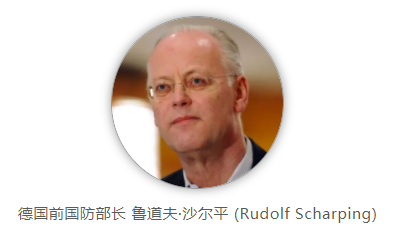
Although China and Germany are geographically far apart, with different histories and cultures, and their political and legal systems are also very different, in Scharping’s view, these differences are both challenges and opportunities for dialogue. In the past 50 years, China and Germany have had successful practices in this regard. No matter in the past or now, Sino-German relations have experienced difficult stages and great setbacks. But for the two countries, the process of mutual understanding, exchanges and deepening relations is successful.
Great geographical distances, different cultures and experiences, even fundamental differences in political and legal systems should be understood as a challenge and thus an invitation to talk.
China and Germany have practiced this successfully over the last 50 years. Of course, there have been and still are very difficult phases and massive setbacks. But the course of understanding, exchange and deepening of relations has been successful for both countries.
After 50 years of Sino-German cooperation, we have every reason to praise this progress and think about how to use and develop this experience in the future. Our two countries have a lot in common, and we can make great achievements, but we also face great challenges.
Five decades of cooperation between China and Germany are an excellent reason to praise the progress while asking how we can use and build on this expe rience in the future. Our two countries have several things in common, can accomplish much, but face great challenges.
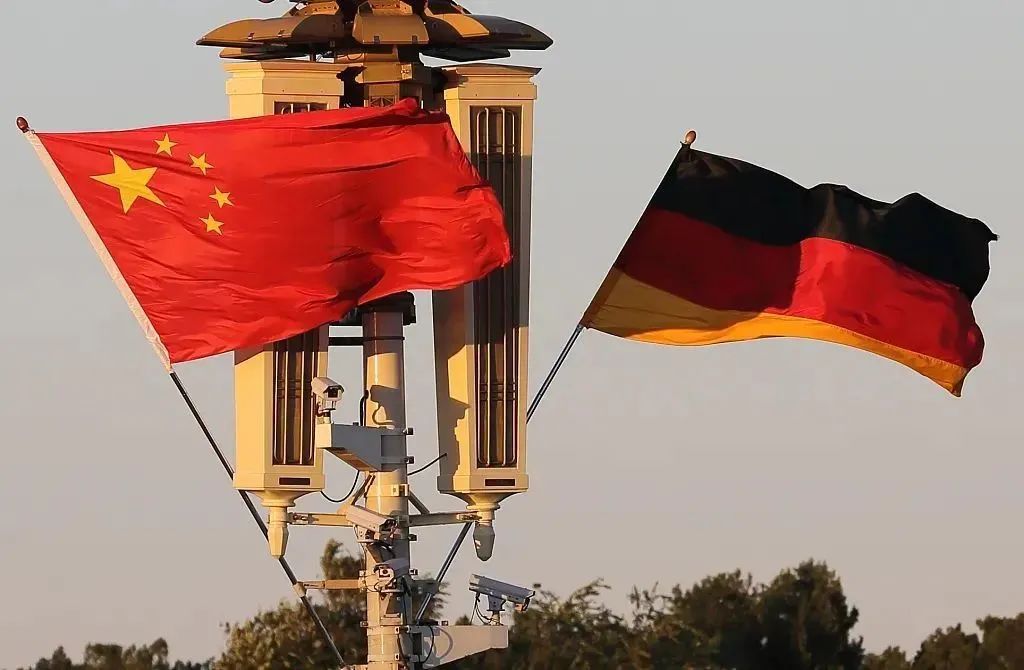
Image source: vision china
Scharping believes that in the face of global challenges, all countries, regardless of their political systems, must work together to deal with them, and the scientific community, social organizations and all the people need to make joint contributions. For example, the challenge of climate change is becoming more and more urgent in recent years, and China and Germany are moving towards a common goal: China is committed to achieving climate neutrality by 2060, while Germany hopes to achieve it by 2045. China is in a leading position in developing renewable energy. We should jointly consider whether it is possible to make faster progress in cooperation between the two countries and with other countries.
Global challenges do not ask for differences in political systems. Global challenges require joint responses from all countries and economies; they require contributions of sciences, social organizations and citizens. For years, the challenge of climate change has become increasingly urgent. China and Germany are moving toward a common goal: China wants to be climate neutral before 2060, Germany by 2045. China is a leader in the expansion of renewable energies. We should jointly consider whether it is possible to make even faster progress — in our countries and in cooperation with other countries, including those on other continents.
Both China and Germany and their people are struggling with the persistent climate change, which threatens food, agriculture, economy, cities and everything. I hope that we can better share and make use of our respective scientific knowledge, innovative ability and economic strength, and jointly contribute to building a better world.
Both our nations and peoples are struggling with the ongoing climate change which threatens food and agriculture, economy, cities and everything. I hope that we could better share and make use of our scientific knowledge, innovative competence and economic strength in order to contribute jointly to a better world.
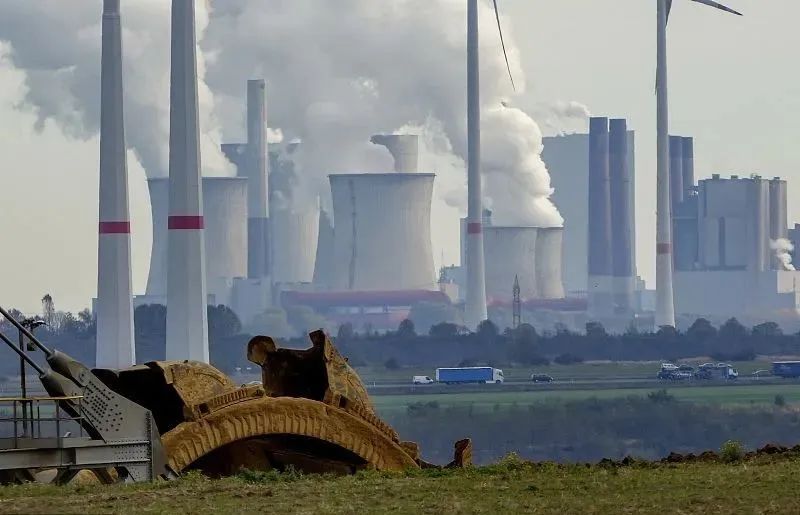
Image source: vision china
On top of the original challenges, new challenges are still coming one after another, such as the Ukrainian crisis that broke out this year. In this regard, German Chancellor Angela Scholz reached an important consensus with Chinese leaders during her recent visit to China, and both sides jointly opposed the use or threat of use of nuclear weapons. Scharping said that both China and Germany are staunch advocates of the Five Principles of Peaceful Coexistence, and this meeting is of key significance, which has enhanced mutual trust, deepened mutual political understanding and opened up bright prospects for the two countries to join hands in the future in a more peaceful world environment.
China and Germany are solid advocates for the Five Principles of Peaceful Coexistence. The meeting of President Xi and Chancellor Olaf Scholz was decisive to strengthen mutual trust, deepen the understanding of both countries and their respective politics to create a promising perspective for both nations in a more peaceful world.
All these challenges highlight how fragile our world is. It is hoped that leaders of all countries will earnestly shoulder their responsibilities and take decisive actions to strengthen global cooperation. In this regard, Sino-German and China-EU cooperation is indispensable.
All of these challenges highlight how vulnerable our world is. The hope is that responsible and decisive political leadership will strengthen global co operation. Germany and China, Europe and China are indispensable for this.